Skip to content


- Coinbase CEO continues advocating for U.S. crypto market structure.
- Armstrong focuses on stablecoins to bridge crypto and traditional banks.
- Coinbase engages with lawmakers to shape clearer digital asset regulations.
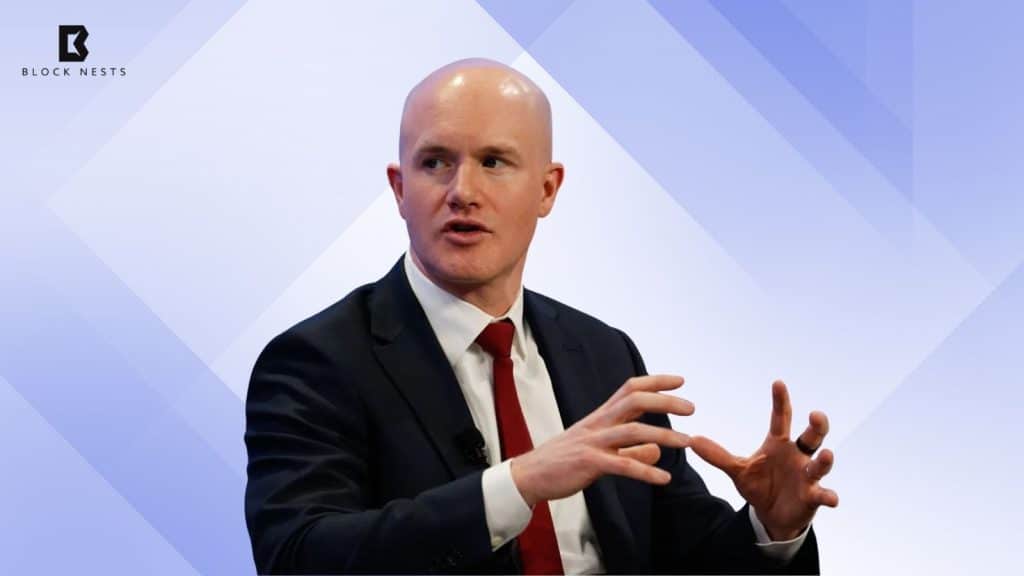
Coinbase CEO Brian Armstrong revealed his plans to continue pushing for the U.S. crypto market structure bill while attending the World Economic Forum in Davos. As Armstrong reports, Coinbase is determined to continue the push on the bill, despite recent losses. Meetings with banking executives will be part of the discussions in Davos to solve the unresolved problems and establish grounds on which the bill can be advanced.
Stablecoins: A Key Focus for Future Legislation
Armstrong stressed the idea that stablecoins would act as an interface between crypto businesses and regular banks and help both parties to play on a level field. He stated that Coinbase would keep on with the development of the legislation and communicate the result of these discuss to the senate and the U.S. administration to proceed with the legislative procedure.
Also Read: XRP Set for Explosive Breakout as Expert Unveils Hidden Pattern for Massive Gains!
Nevertheless, the bill has been challenged in certain ways and last week, Coinbase pulled its backing on the market structure bill upon reviewing a revised text on the Senate. The exchange expressed its apprehension with some of its provisions, especially a proposed ban on the ability of digital asset providers to pay yield just because they are holding stablecoins. The limitation was meant to avoid financial instability by alleviating the possibilities of a diversion of deposits by the crypto platforms in the conventional savings account. However, it permitted activity-based rewards based on transactions or offering liquidity, which is the position of the banking sector in this question.
Just arrived in Davos for @WEF. Three main goals this week:
— Brian Armstrong (@brian_armstrong) January 19, 2026
1) Talk to world leaders about economic freedom and how crypto can update their financial systems
2) Continue the push for market structure legislation
3) Keep pushing for tokenization to democratize access to capital… pic.twitter.com/knjuMZKRtb
Nevertheless, Armstrong promised to remain active with legislators to change the bill and advocate transparent rules on digital assets, despite the withdrawal. The Senate Banking Committee, in its turn, postponed its markup hearing on the bill because of the controversy with no further date of the further discussions.
Stablecoin Debate Remains Central to Legislative Development
The central point of the current discussion is about stablecoins and how they fit into the financial picture. Although stablecoins are viewed as a necessary instrument in the process of facilitating crypto transactions, their regulation is viewed as a controversial matter. Cryptocurrency companies are also alarmed by the suggestion to regulate the yield of stablecoins, saying that it would inhibit innovation and competition in the field. In the meantime, the conventional side of the banking industry is still lobbying to have regulations in place that would bar crypto-based yield schemes to disrupt the stability of the traditional financial systems.
In a sense as the debate goes on, the activity in Davos by Armstrong is trying to find a middle ground that would satisfy the interests of the crypto industry and the traditional financial institutions. He wants to aid in the development of a regulatory environment friendly to innovation and financial compliance at the same time.
Also Read: NYSE Unveils Platform for 24/7 Trading of Tokenized Securities
How would you rate your experience?