Skip to content


- Bolivia processed $430 million in crypto payments in a year, marking a 630% rise.
- 86% of transactions came from individuals, mostly using Binance-linked platforms.
- The national energy company now uses crypto to import fuel due to dollar shortages.
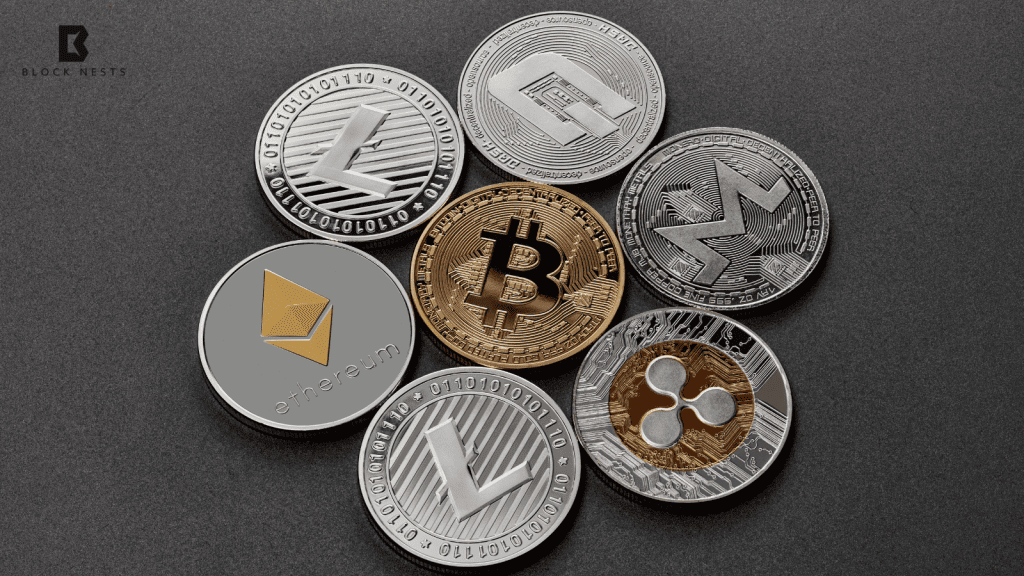
In just one year after reopening its crypto payment rails, Bolivia saw a surge in digital asset usage. The Central Bank of Bolivia reported $430 million in crypto transactions from May 2024 to May 2025. That figure reflects a 630% increase compared to the year before. Most of these transactions came from individuals, who completed 86% of all activity.
🚨 Bolivia 🇧🇴 sees 530% surge in crypto transactions—$46.5M ➡️ $294M YoY!
— GwdxPro (@GwdxPro) June 28, 2025
After lifting its crypto ban in mid-2023, usage is booming as Bolivians turn to Tether & Binance to hedge against a weakening currency.
Regulations coming soon. 📈💱 #Crypto #Bolivia #DeFi pic.twitter.com/TBdpGFl8yg
Among them, the men accounted for 77%. Binance-associated functions managed most of the volume. The data shared by the Financial System Supervisor, Asfi, covers only work through controlled channels. The individual obstacles remain outside the reported figure.
The number of registered operations reached 10,193, with a total value of Bob 611 million (approximately US $88 million). In the beginning of 2025, the motor began to reduce. Only in the first half of 2025 did the payment fall to US $294 million, compared to US $46.5 million in the first half of 2024.
Crypto Wallets Lack Insurance Coverage
This increase comes after an important guideline change. The decision taken in June 2024, passed in June 2024, officially acknowledged cryptocurrency as a valid payment instrument. This enabled banks to treat crypto orders for customers. The government further expanded the use of these moedas.
In March 2025, it allowed the regional power company YPFB to pay for imported oil with virtual currencies. The function was designed to relax Bolivia’s current shortage of dollars and gasoline supply problems. Bolivia is also developing a supervisory system.
Banks should daily report crypto transactions. Every transaction should be checked in real time for violations of foreign restrictions. In a year, regulators marked 27 suspicious account transactions. But no punishment was given.
Officials emphasized the limits of defense. They warned users that home wallets do not come under the national deposit insurance scheme. As a safety measure, residents should keep private passwords offline and check the website carefully before logging in.
Stronger Laws and Public Education Efforts
In May 2025, the government of President Luis Arce issued Supreme Regulation 5384. This introduced Fiat’s license for fintech and crypto-related service providers. The decree also demanded strict anti-emergency control based on regional standards. ASFI has a 40-day period to complete the rules of implementation. Along with the regulations, the central bank launched a national education campaign.
Topics covered workshops held in all nine departments. This includes crypto risk, private key management, and tips to avoid scams. Some teaching includes real-life deepfake frauds that recently occurred in La Paz. Bolivia’s strategy combines regulation and education. It indicates a new phase for digital financial services in the country.
Related Reading: Bitcoin Price Surge: 75.5% Chance of New Highs or a Major Setback?
How would you rate your experience?