Skip to content


- South Korea’s stablecoin push aims to boost transparency and competition in the growing crypto market.
- Over 18 million South Koreans are now active crypto traders, reflecting the sector’s rapid growth.
- President Lee’s crypto plans face opposition from the Bank of Korea over potential monetary risks.
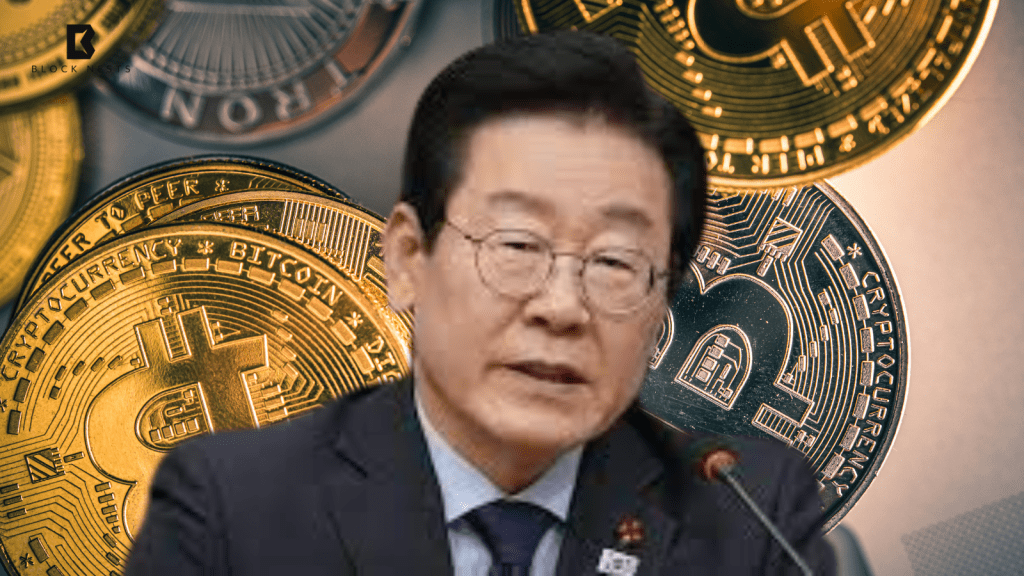
South Korean crypto adoption is likely to increase after President Lee Jae-myung moves ahead swiftly with his plan to create domestic stablecoins. As Bloomberg reports, the Democratic Party introduced the Digital Asset Basic Act to bring more transparency and competitive forces to the crypto sector. Lee makes steps to comply with this pledge within days after his June 3 victory.
The legislation proposes rules that require local companies to release their own stablecoins. The companies must have at least 500 million won (approximately $368,000) in equity capital and provide a way to refund customers from their funds. Before they can launch stablecoins, they need permission from the Financial Services Commission in South Korea, which will control the emerging market.
Expanding Cryptocurrency Adoption
The crypto market in South Korea is growing rapidly, as stablecoin transactions on top exchanges reached 57 trillion won ($42 billion) during the first quarter of 2025, shows the Bank of Korea data. As a result, over 18 million South Korean crypto traders are now active, filling more than a third of the entire population.
Besides stablecoins, President Lee wants to support broader adoption of cryptocurrencies. He has suggested that South Korea’s national pension fund be permitted to hold cryptocurrencies. Moreover, Lee has indicated that introducing Bitcoin ETFs could help South Korea compete better in the worldwide crypto industry. He believes that strengthening the stablecoin market through coins backed by the won will stop the loss of national wealth to other countries.
Nonetheless, the Bank of Korea opposes some of Lee’s visionary ideas. The governor stated his worries about the risks of non-bank stablecoins, which could negatively affect monetary policy. The central bank argues that it should oversee the regulation of a local currency stablecoin.
Lee’s Crypto Push Boosts Shares
South Korean investors are still remembering the breakdown of Terra and its algorithmic stablecoin that occurred in May 2022. After the collapse of Terra and the loss of billions, the market is now hesitant about new stablecoin launches.

Source: Google Finance
Lee’s efforts toward cryptocurrency continue to boost the prices of Korean shares. In the past few days, KakaoPay’s shares have increased by as much as 45%. On the other hand, JPMorgan suggests that this uptrend in Kakao stocks may not be justified, because the full effects of Lee’s policy on the market are still undetermined.