Skip to content


- Crypto reserve positions Kazakhstan to secure its role in the global digital economy.
- The reserve is constructed through confiscated assets, state mining, and mandatory private contributions.
- Digital tenge expansion will embed blockchain deeper into Kazakhstan’s public finance.
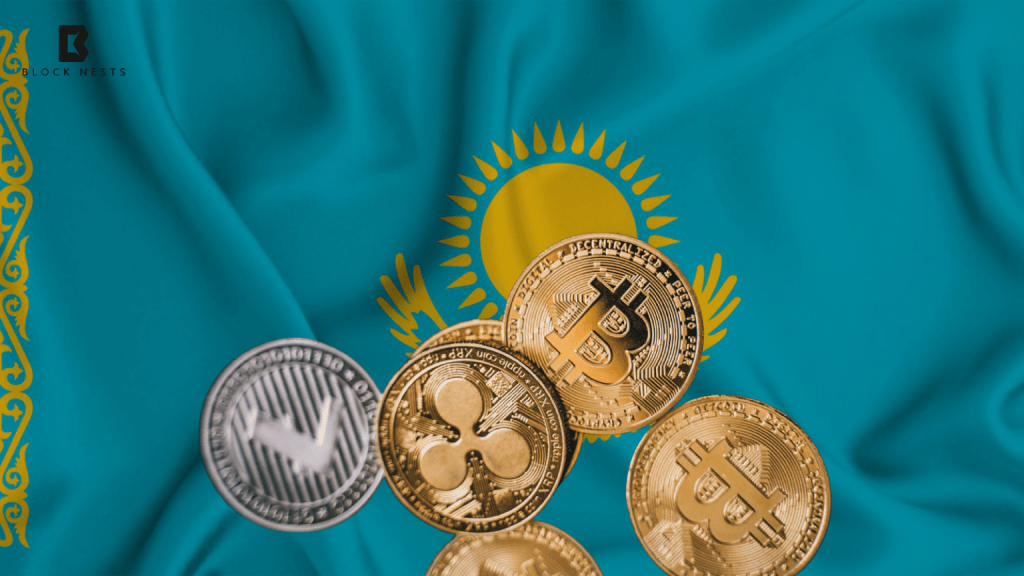
Crypto is gaining prominence in the economic reforms of Kazakhstan as the government proceeds with plans to create a State Fund of Digital Assets. According to President Kassym-Jomart Tokayev, the Investment Corporation of the National Bank will be responsible for the reserve and the storage of promising crypto assets. The strategy is a component of broader change aimed at digitalization, AI, and infrastructure investments.
Tokayev emphasized the importance of transitioning to digital finance in order to secure the position of Kazakhstan in the international arena. He advised that the country’s competitiveness could be compromised and that it would be at risk as a result of procrastination. The president referred to a reserve as essential equipment to transform uncontrollable cryptoaction into a formal system and enhance financial security.
Tokayev Expands Reserve Strategy Into State Policy
It was initially speculated in June when the National Bank indicated it may turn a portion of its gold and foreign exchange reserves into crypto. Since that time, Tokayev has broadened the initiative, directly correlating it with state financial policy and plans for long-term development. The transition is a definitive move towards crypto in the national economy.
Also Read: Bitcoin Stockpile Plans Included in Treasury Budget Alongside IRS and Cybersecurity Funding
The reserve will be bankrolled through a number of resources. The reserve base will be formed by confiscated digital assets, coins mined in government-sponsored operations, and inadvertent contributions by individuals. This system makes certain that government and private activity invest in the new system. Officials regard the model as a method of achieving equilibrium between stability and innovation.

Source: Akorda
The project is focused on legal improvements. The Agency on Regulation and Development of the Financial Market was ordered by Tokayev to provide a Digital Code and new legislation on banking by 2025. The legislation will regulate the implementation of artificial intelligence in financial services, navigate the usage of big data. And control the flow of digital assets. Tokayev underscored the absolute necessity of strict regulations to prevent risks.
Crypto City and Digital Tenge Drive Kazakhstan’s Blockchain Future
Alatau City, officially referred to as CryptoCity, is also under construction in Kazakhstan. The city will be designed as a center of digital innovations, including smart infrastructure, crypto-based payments. And a special legal regime managed by the federal government. The infrastructure planning and land planning started already, and the city will appeal to blockchain businesses and investors.
Meanwhile, the digital tenge, the central bank’s digital currency in Kazakhstan, is increasing in usage. It is already funding national projects, and Tokayev has suggested expanding it to republican and local budgets. According to officials, the plan will introduce blockchain further into government finance and enhance transparency.
These steps by Brazil, Ukraine, and Indonesia are adventures that Kazakhstan is also following in its push to have access to digital assets. The plan indicates a certain international transition to blockchain as a system of state funding. Although there are still difficulties, it has been indicated that the leadership in Kazakhstan is determined to set its future in the digital economy.
Also Read: Chainlink Spotlighted in Citi’s 2025 Report for Driving Blockchain Interoperability