Skip to content

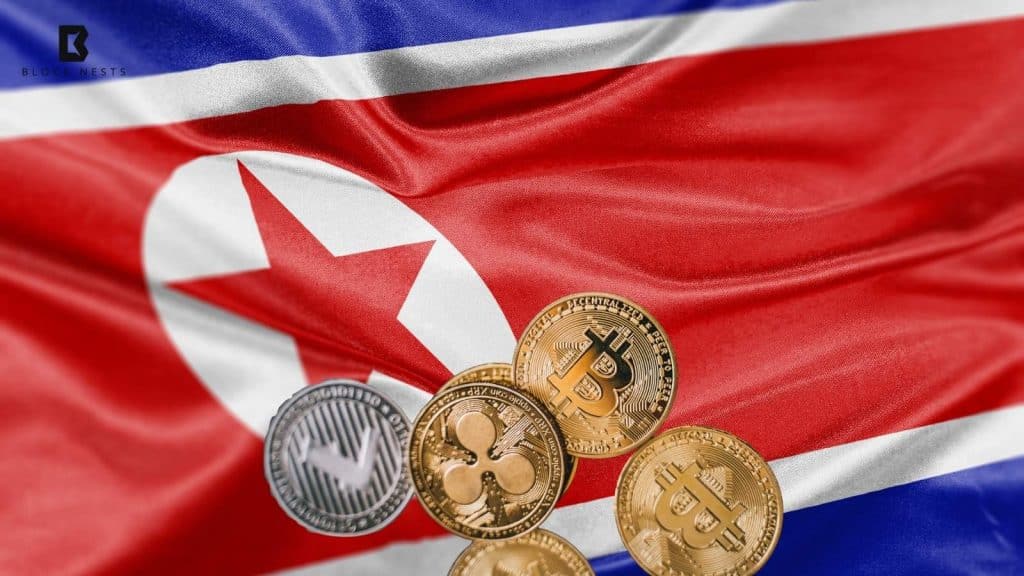

- The U.S. Treasury imposed sanctions on eight individuals and two entities tied to North Korea’s illicit cyber and IT operations.
- The move aims to cut off revenue streams funding Pyongyang’s weapons of mass destruction (WMD) programs.
- OFAC’s action highlights the ongoing global threats posed by DPRK-linked cybercrime and fraudulent IT networks.
The U.S. Department of the Treasury’s Office of Foreign Assets Control (OFAC) has sanctioned eight individuals and two entities connected to North Korea’s global crypto, cyber, and IT fraud network. These sanctions target the people and organizations behind crypto-linked schemes that launder money for the Democratic People’s Republic of Korea (DPRK).
NEW!! US hits North Korean bankers over 'nuclear-funding' cybercrime and IT worker fraud
— Alex Raufoglu (@ralakbar) November 4, 2025
Treasury sanctions eight individuals and two entities for laundering over $3bn stolen cryptocurrency to finance Pyongyang's weapons of mass destruction program pic.twitter.com/9SbNVPRCcL
“This action aims to deny financing pathways that support North Korea’s nuclear weapons program and ballistic missile program,” officials said. North Korean hackers were also known to steal digital assets while routing funds through various systems such as those involving cryptocurrency.
In the last three years, North Korea-related hacking groups have stolen over 3 billion dollars through hacking activities, ransomware, and social engineering. This is in support of weapons programs that also pose a threat to global finance.
Treasury Targets Crypto Transactions Linked to DPRK Hackers
Investigation showed that IT experts of North Korea conduct their work around the world using different identities and forged documents. They work as freelancers, concealing their nationality, and receive payments in state-owned banks.
Among these laborers, some work in conjunction with non-North Korean freelancers in order to disguise their engagement as well as profit together from illicit activities. Authorities identified groups such as the Korea Mangyongdae Computer Technology Company (KMCTC) as crucial to these activities.
KMCTC has teams based in Chinese cities such as Shenyang and Dandong, with local nationals acting as banking proxies to disguise funds’ sources. In addition, OFAC also sanctioned U Yong Su, its president. This is for overseeing criminal networks and financing relations with North Korea’s activities.
Two North Korean bankers, Jang Kuk Chol and Ho Jong Son, were also sanctioned for handling millions of dollars in cryptocurrency transactions for the already-sanctioned First Credit Bank. This act allegedly supported ransomware attackers and other IT schemes related to DPRK that target victims in the US and globally.
U.S. Expands Sanctions on North Korea’s Financial Network
The U.S. has also imposed sanctions on North Korea’s banking institutions that evade restrictions and engage in unlawful money laundering. Ryujong Credit Bank and other banks channel money between China, Russia, and North Korea to facilitate foreign exchange transactions and hide illegal profits.
Some of the DPRK’s financial representatives abroad. Who is based in China and Russia, were discovered overseeing transactions worth multi-millions in US Dollars, Renminbi, and Euros. This was a contravention of UN Security Council Resolution and an affirmation of DPRK’s integration with international markets.
Under the new rules, the U.S. will block all property and interests of the sanctioned persons and entities within its jurisdiction. The rules also prohibit U.S. persons from conducting any transactions with these sanctioned individuals and organizations. The Treasury emphasized that it imposes these sanctions to change behavior, not to punish.
Related Reading: Bitcoin Mining Made Easy: du Launches Cloud Service for UAE Residents
How would you rate your experience?