Skip to content



- Crypto valuation methods are changing as the digital asset market matures.
- Experts believe different token types require different valuation models.
- DeFi lending protocols like Aave show how traditional financial analysis can apply to blockchain projects.
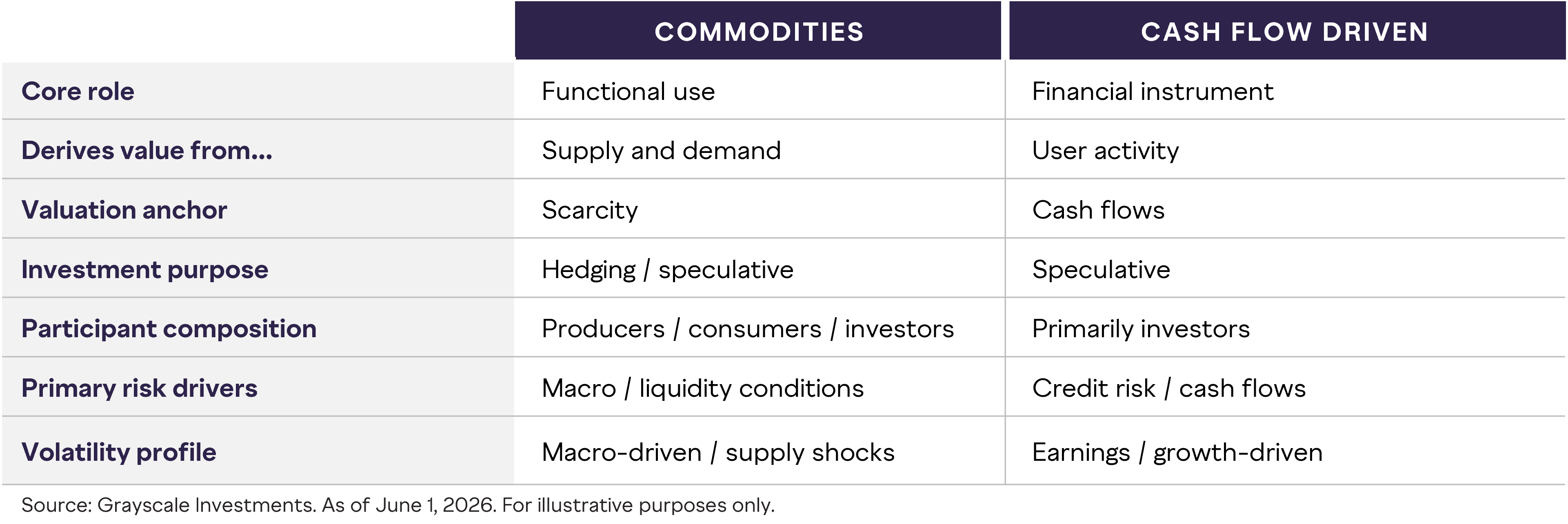
The crypto market continues to develop as more investors and institutions enter the sector. Analysts now argue that digital assets should no longer receive the same valuation treatment because their economic functions differ widely. As blockchain projects expand and generate real business activity, researchers believe investors need more advanced methods to measure their value.
The latest research highlights that understanding a token’s purpose, governance system, revenue model, and regulatory position has become essential before estimating its worth. Instead of treating all crypto assets as one category, analysts now support separate valuation methods based on each project’s economic structure.
DeFi Revenue Growth Changes Crypto Valuation
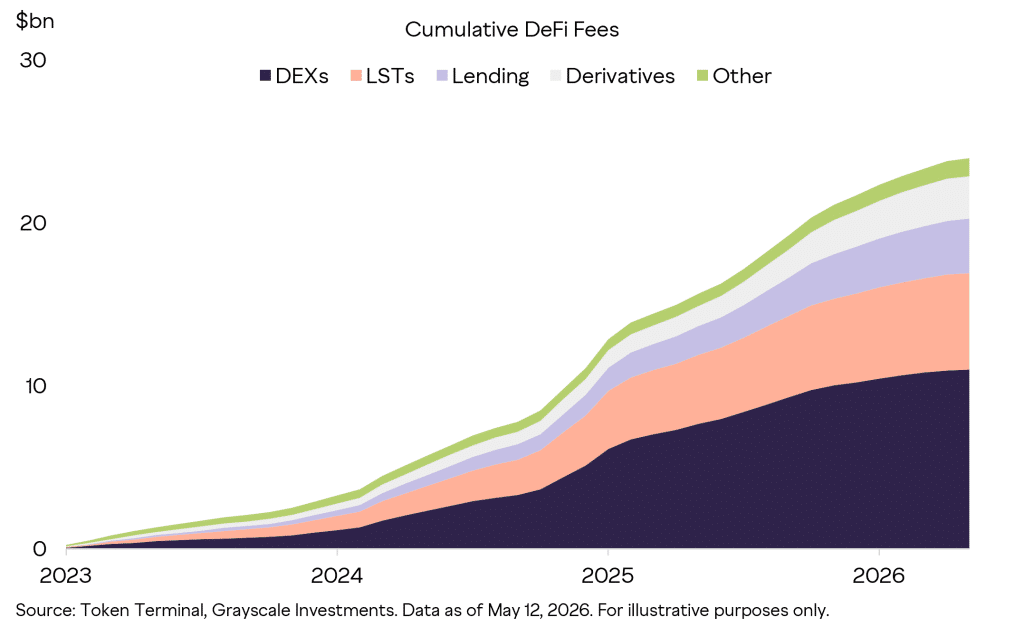
Decentralized finance has turned out to be among the most impressive cases when blockchain generates actual revenue. There is already a huge amount of revenue being generated by lending platforms, DEXes, and staking service with billions of dollars per year collected in protocol fees based on users’ activity. This trend has motivated experts to analyze leading DeFi protocols against traditional financial organizations.
It means that such metrics as revenues, expenses, profit margins, treasuries, and capital allocation have become more important for analyzing blockchain projects. This research uses Aave as an example because the protocol created a substantial lending economy with recurring revenue and governance that links the protocol’s success to its token’s value.
The platform generates income through lending, stablecoins, and treasury management while expanding the range of provided services. Experts believe these financial characteristics allow investors to apply business valuation frameworks in the same way they apply them to banks and fintech organizations.
Governance and Value Distribution Remain Critical
Although there is strong income from protocols, experts indicate that financial gains do not mean that tokens will increase in price automatically. There are a lot of aspects to consider in valuation such as the ways in which project developers use the money earned for the benefit of their holders.
Some companies choose to invest funds into development and securing the platform, whereas others choose such strategies as buybacks, token burns, staking rewards, and treasuries allocations. Even with equal revenue from the projects, the result will differ depending on the approach used by projects.
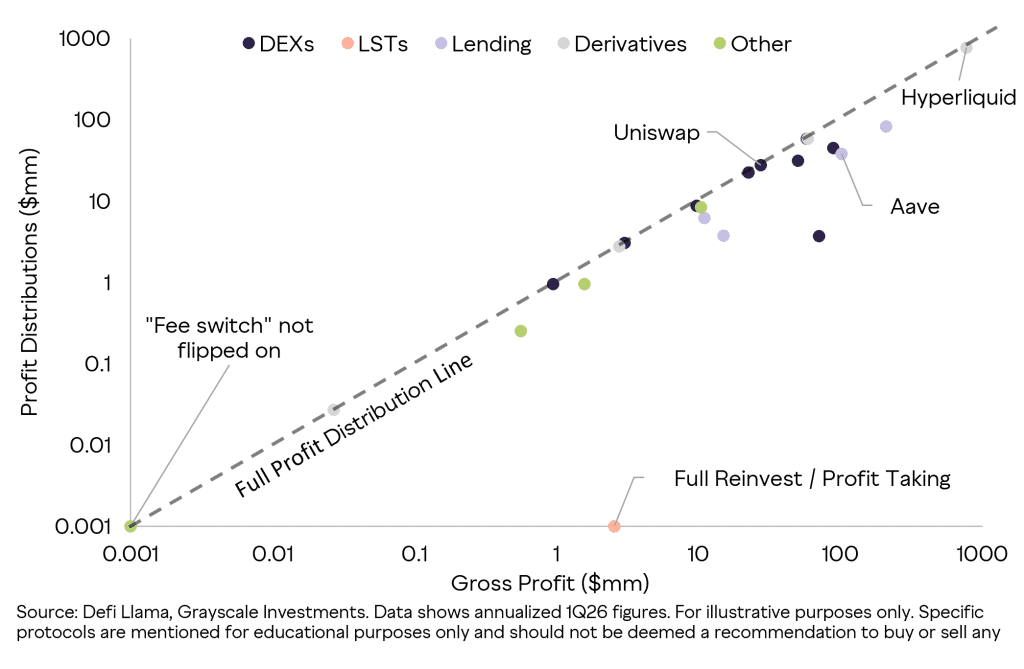
Finally, decentralized governance is an important element discussed in the paper since token holders vote on various issues, including treasury allocations, protocol updates, and value distributions. The connection is quite evident here.
As the regulatory environment becomes clearer and blockchain projects develop further, researchers suggest that people will pay more attention to financial fundamentals rather than speculations. Thus, better valuation systems may help in pricing efficiency.
Also Read: Strategy Accumulates More Bitcoin as Corporate Treasury Tops 846,000 BTC