Skip to content


- Social media can remove even the most powerful leaders, setting a global precedent.
- Human cognition may miss fundamental truths, but technology can extend understanding.
- Artificial life and digital consciousness pose ethical and philosophical challenges for the future.
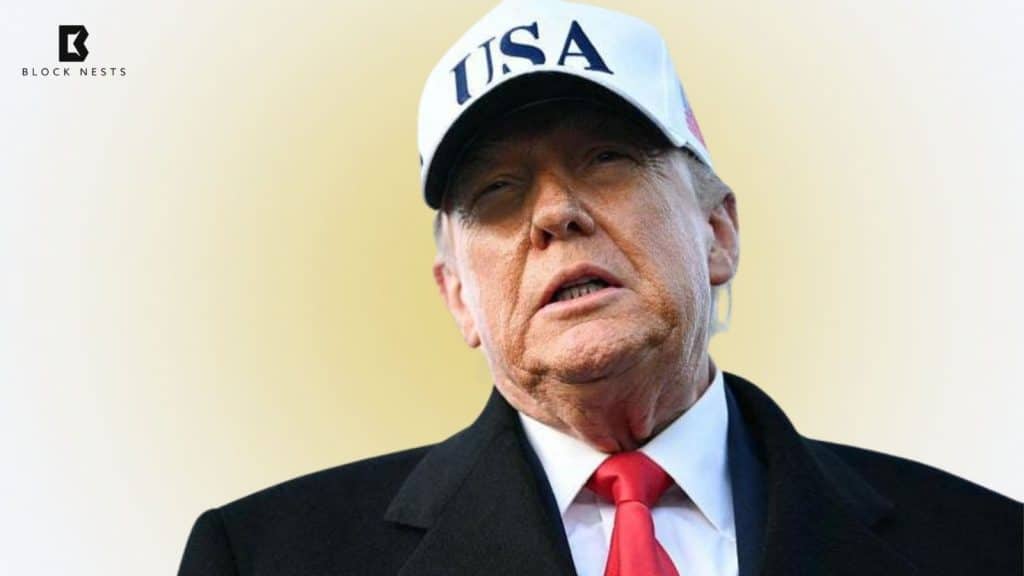
The discussion begins with Donald Trump’s removal from social media. This act is described as an unprecedented example of digital silencing. No sitting U.S. president had ever faced this before.
Experts argue that once platforms demonstrate they can remove the most powerful leader publicly, no leader is fully protected anywhere. The precedent is compared to financial bailouts, which started as exceptions but later became routine.
Social media platforms now have a form of global influence that can shape public perception and political power. The episode then turns to a long-form podcast conversation between Lex Fridman and Balaji Srinivasan.
Srinivasan is a tech founder, investor, former Coinbase CTO, and author. The discussion moves fluidly between philosophy, society, and technology, exploring the limits of human understanding and the tools that may extend it.
Trump and the Prime Number Maze
A central concept explored is the “prime number maze.” Srinivasan explains that just as rats cannot follow prime-number patterns in a maze, humans may struggle to perceive complex patterns in reality. Many truths may exist beyond ordinary cognition.
Increasing cognitive capacity through technology and better tools could reveal hidden structures. The conversation also highlights the role of partial knowledge in progress. Many scientific breakthroughs began as practical observations without full theoretical understanding.
Thermodynamics emerged from steam engines. Neural networks advanced of clear explanations. Writing down powerful ideas, even if not fully understood, drives human progress. The discussion extends to the nature of reality. Some scientists argue that space and time are emergent.
Others suggest perception itself may be an evolutionary interface, detached from objective truth. Yet math remains highly effective in describing the world. Srinivasan likens humans to explorers navigating patterns they can partially perceive, constantly approximating what they cannot yet fully know.
Reverse Engineering Life with Minimal Cells
The podcast then shifts to the origin of life. Abiogenesis remains unsolved. Life may require massive numbers of molecular interactions. Reverse engineering minimal cells, as Craig Venter demonstrated, offers a potential path to understanding life’s emergence.
Srinivasan also examines artificial life. Chatbots and AI may eventually meet the definitions of life, raising ethical questions. Could digital beings have rights? Could humans create forms of life outside biology, including silicon-based life? The conversation considers the Turing test and multiplayer Turing tests as measures of machine intelligence.
AI capable of autonomous action and value creation could transform society. The episode closes by connecting these threads: political power, human cognition, and technology. Srinivasan suggests the future may allow entirely new forms of governance, life, and understanding, built on principles humans are only beginning to grasp.
Related Reading: House Democrats Accuse SEC of Crypto Crackdown Retreat Amid Trump Ties Row Heats