Skip to content


- Buterin ties Ethereum’s vision to BitTorrent-scale decentralization and Linux-like reliability.
- PeerDAS and zkEVMs aim to expand Ethereum’s bandwidth while preserving full decentralization.
- Ethereum’s layered design boosts resilience as the network grows and decentralization demands rise.
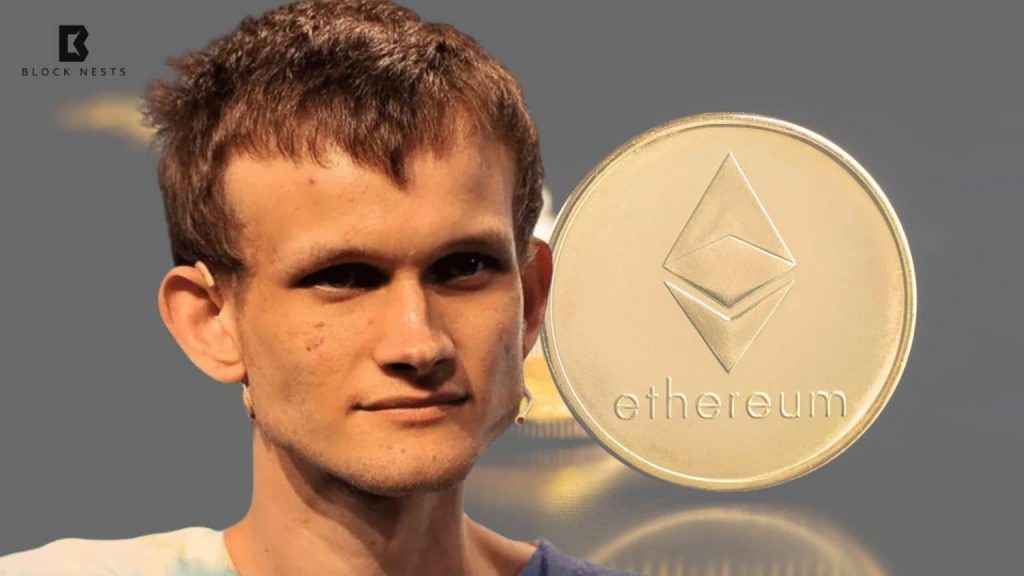
Ethereum Co-Founder Vitalik Buterin triggered new debate on January 8 after comparing the blockchain to Linux and BitTorrent. His comments focused on Ethereum’s long-term design goals. He said the network aims to match BitTorrent’s decentralized reach and Linux’s trusted reliability without sacrificing core principles.
Buterin stated that Ethereum’s purpose is to remain open, censorship-resistant, and accessible to users without relying on intermediaries. He highlighted BitTorrent’s peer-to-peer file sharing model as an example of true decentralization at scale.
He said Ethereum seeks similar reach but with a focus on global consensus rather than file distribution. This distinction sets the foundation for decentralized finance, applications, and governance tools.
One metaphor for Ethereum is BitTorrent, and how that p2p network combines decentralization and mass scale. Ethereum's goal is to do the same thing but with consensus.
— vitalik.eth (@VitalikButerin) January 8, 2026
Another metaphor for Ethereum is Linux.
* Linux is free and open source software, and does not compromise on…
He added that Linux offers another parallel. Linux operates across governments, companies, and personal devices due to its stable and open architecture. Buterin said Ethereum wants to achieve comparable global use while protecting decentralization.
He noted that Linux demonstrates how open systems gain trust through transparency and reliability. Ethereum, he argued, can follow a similar path in its domain.
Ethereum Enters a New Phase of Scalability
Buterin then discussed the next phase of Ethereum scaling. He pointed to emerging technologies that push the network toward higher capacity while keeping decentralization intact. These include PeerDAS, which improves data availability for block production. He also mentioned zkEVMs, which use mature zero-knowledge proofs to strengthen performance and verification.
Increasing bandwidth is safer than reducing latency
— vitalik.eth (@VitalikButerin) January 8, 2026
With PeerDAS and ZKPs, we know how to scale, and potentially we can scale thousands of times compared to the status quo. The numbers become far more favorable than before (eg. see analysis here, pre and post-sharding…
According to Buterin, these technologies solve long-standing limits in the blockchain ecosystem. He said they make it possible to increase bandwidth without harming latency. This removes a major challenge for decentralized systems operating at a global scale.
He stressed that nodes in remote regions should function securely without depending on large data centers. This requirement ensures decentralization remains consistent worldwide.
He also said Ethereum must rely on algorithms and cryptography rather than social coordination. This guarantees reliability even when some operators exit the network. He referred to this principle as the “walkaway test.” The network, he said, must continue running if participants leave. That resilience is central to Ethereum’s long-term roadmap.
Also Read:
Buterin extended the Linux analogy to Ethereum’s structure. He described Layer 1 as the kernel. It provides essential security and consensus. Layer 2 networks act like distributions built on the kernel.
Also Read: Tether Unveils Scudo as Gold Prices Surge and Tokenized Gold Demand Explodes
These Layer 2 systems increase usability and support varied applications. They serve areas requiring high throughput, flexible virtual machines, or localized blockchain environments. This layered model spreads activity efficiently across the ecosystem.
One of the commenters remarked that Layer 1 is potent, but it is not intended to be comfortable, whereas Layer 2 networks allow scale and access. The analogy has to deal with the tendency of Ethereum to decentralize tasks instead of deepening a single layer.
Enterprise Use and Ethereum Upgrades
Buterin also mentioned Linux experience and adoption of BitTorrent in enterprises. He elaborated that these trustless systems are more desirable in organizations since they minimize third-party risk exposures. Cryptographic validation eliminates conflict over accountability. He used the example of the 2008 financial crisis that resulted in failures associated with the use of intermediaries.
Ethereum witnessed significant performances during the year 2025. The network increased the gas limits, upgraded the node software, expanded the blob capacity, and improved the performance of zkEVM. Buterin claimed that these measures establish the groundwork towards a censorship-resistant worldwide network.
He also cautioned that problems still exist. To maintain the process of decentralization in global expansion, it is necessary to maintain attention. He instructed developers to put more useful elements like stability, privacy, and resilience first instead of financial gains over the short term.
Also Read: Ripple Shuns IPO as $40B Valuation Fuels Aggressive Expansion Strategy
How would you rate your experience?