Skip to content


- Hong Kong confirms first stablecoin licenses arriving this March
- New crypto dealer and custodian rules expand oversight
- Liquidity, tokenization and tax reforms reshape digital asset framework
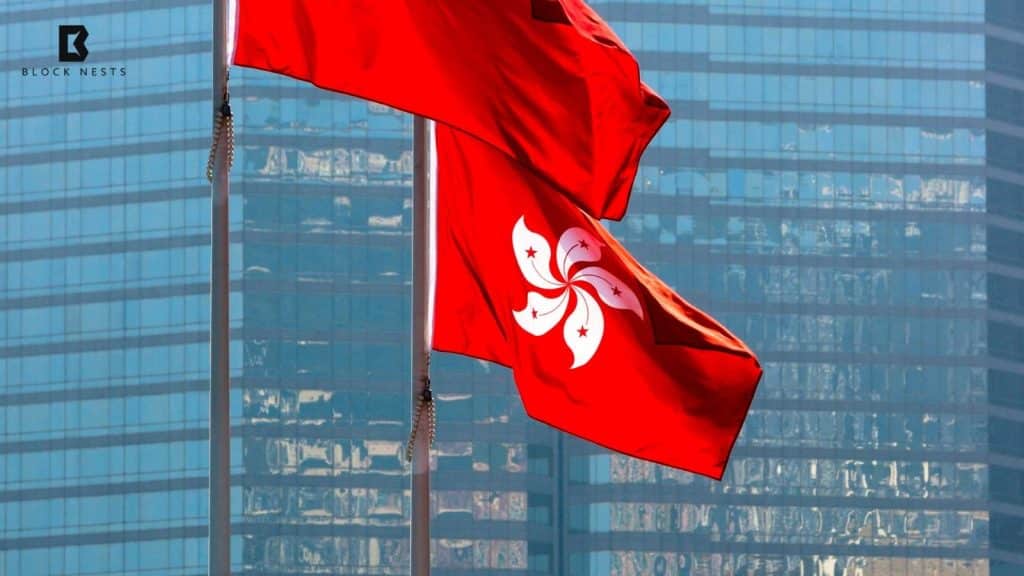
Hong Kong will approve its first batch of fiat-referenced stablecoin issuer licenses in March, moving from consultation and policy design into direct regulatory execution within its expanding digital asset framework. The schedule was verified by the 2026 to 2027 budget speech of Financial Secretary Paul Chan, who said that the authorities have already implemented a formal licensing regime for stablecoin issuers operating in the city. Regulators will continue promoting licensed entities when they develop viable apps, while maintaining that each initiative is within a well-defined compliance and risk management framework.
Prerequisites to the legal issue of fiat-referenced stablecoins in Hong Kong: Any issuers planning to do so are required to meet specific detailed requirements relating to reserve support, governing structures, securing custody, and transparency of their operations. Regulators aim to provide greater security to investors and enhance financial stability as the use of digital assets continues to expand across institutional and professional market sectors.
Also Read: 21Shares Spot SUI ETF Begins Trading on Nasdaq
Broader Licensing Framework for Crypto Market Participants
Besides oversight of stablecoins, the government will implement legislation in the latter half of the year to create licensing frameworks for digital asset dealers and digital asset custodians, expanding the regulatory perimeter beyond trading platforms and token issuers. Digital asset trading in Hong Kong is the regulated buying, selling, or trading of virtual assets, such as over-the-counter trading services offered to customers. The authorities believe that unified licensing regulations will enhance accountability among service providers and minimize regulatory gaps in the broader ecosystem.
One of the key priorities of this phase of policy has been liquidity, as Chan stated that the Securities and Futures Commission will introduce solutions to deepen the market, enhance price discovery, and increase the accessibility of products to professional investors. The regulator has already proposed plans to allow crypto margin financing and derivatives trading for qualified participants, and it is also planning to develop an accelerator to speed responsible market innovation.
Tokenization, CBDC Development, and Tax Transparency Alignment
Traditional financial instruments tokenization is also another significant aspect of the Hong Kong strategy, and the authorities have clarified that journals of debenture holders could be stored on blockchain systems in new directions. The government will also consider adopting electronic signatures in the issuance of token bonds to enhance the effectiveness of digital records in the capital markets infrastructure.
In the meantime, the Hong Kong Monetary Authority will be modernizing its EnsembleTX platform, the pilot of its wholesale central bank digital currency project, which can support the settlement of tokenized deposits and digital resources in real time and meet cross-border interoperability standards. Hong Kong will revise its Inland Revenue Ordinance over the next two years to adopt the OECD Crypto Asset Reporting Framework and the revised Common Reporting Standard, bringing local regulations into line with the new requirements for global transparency in the disclosure of crypto assets.
Also Read: Canaan Acquires 49% of Texas Bitcoin Projects in $39.75 Power Deal With Cipher!
How would you rate your experience?