Skip to content


- Stablecoins face risks from fragmented global regulations, IMF warns.
- IMF raises concerns over the reserve backing of USDT and USDC.
- Clear, global regulations are needed for digital assets, says IMF.
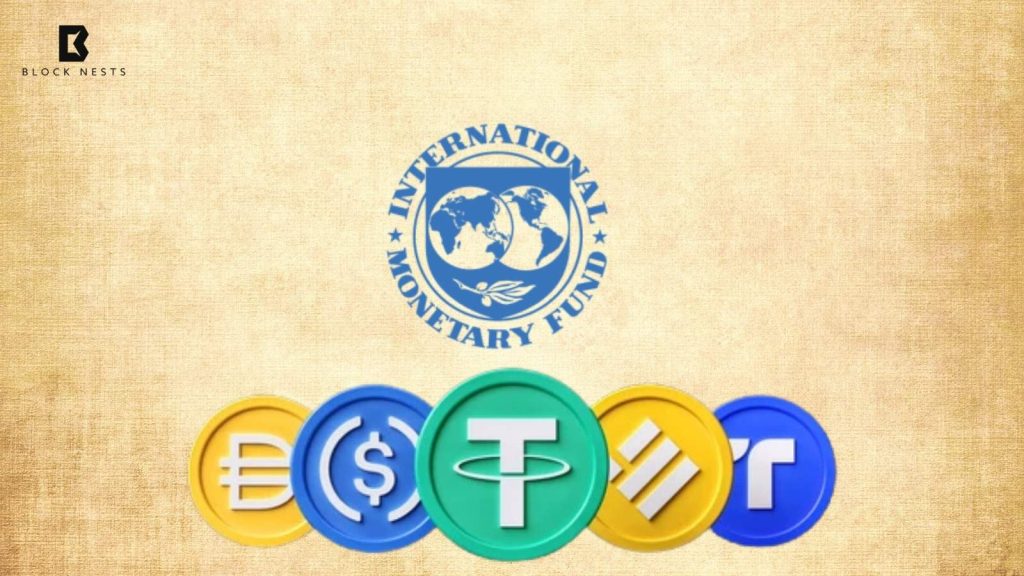
The International Monetary Fund (IMF) released a report Thursday, warning of the growing risks and benefits of stablecoins in the global financial system. The IMF stressed the need for stronger macroeconomic policies and robust institutions to address potential issues in the market. It also noted that global regulations for stablecoins are fragmented and insufficient to manage the fast-growing sector.
The IMF Understanding Stablecoins report compared the strategies of the key regions, such as the United States, the European Union, Japan, and the United Kingdom. The IMF noted that the highly diverse regulations in these regions create a disjointed environment. Such inconsistency may create inefficiencies and difficulties in cross-border dealings, which may interfere with the adoption and use of the stablecoins.
Stablecoins have the potential to reshape cross-border payments and capital flows. They offer opportunities, but also bring new risks—financial integrity, regulatory oversight, consumer protection, capital flow management, monetary sovereignty, and more. Learn more:… pic.twitter.com/cOlZKuqLDF
— IMF (@IMFNews) December 4, 2025
IMF Warns of Risks in Growing $300 Billion Stablecoin Market
The report also examined the structure of the largest stablecoins, USDT by Tether and USDC by Circle. US Treasuries and short-term government securities largely support both USDT and USDC. USDC’s wealth comprises 40% US Treasuries, while Tether’s wealth is approximately 75% US Treasuries.
Moreover, Tether holds 5% of its reserves as Bitcoin. The IMF cautioned that any decline in these reserves’ value would erode confidence in stablecoins, resulting in market failure.
The IMF also noted that the majority of stablecoins have their value tied to the US dollar. However, some issuers have released coins backed by other currencies, such as the euro. The market of global stablecoins gained a value of over $300 billion by December, and it is still swiftly expanding.
Also Read: Bybit Joins Komainu’s Custody Network to Strengthen Institutional Crypto Access
Nevertheless, the IMF highlighted the failure of interoperability among various stablecoins. This may hinder user and regulatory efforts, as these problems make it harder to operate the digital asset market.
Stablecoins Could Undermine Central Bank Control, IMF Cautions
While acknowledging the potential benefits of stablecoins, the IMF also identified significant risks. Stablecoins have the potential to enhance access to greater financial services for underserved groups and make payments easier in places with minimal banks.
Nevertheless, the popularization would weaken the dominance of central banks over national economies. Another concern that was raised by the IMF was the application of stablecoins in criminal activities, such as money laundering and tax evasion, unless properly regulated.
The IMF is collaborating with the Financial Stability Board to develop international standards for stablecoin regulation in response to these risks. The aim is to develop clear regulations to be adhered to by issuers and correctly manage risks. The IMF requested global collaboration to develop a balanced solution that allows innovations to advance economic stability.
The IMF noted that it needed a single regulatory framework to provide the safe development of the market of stablecoins. It called on nations to collaborate to tackle the risks and reap the potential benefits.
Also Read: Taiwan Set to Roll Out First Stablecoin by 2026 with Regulatory Support
How would you rate your experience?