Skip to content


- Iran allows crypto payments for state-run weapons exports amid banking sanctions.
- Mindex offers crypto, barter, or rial settlements outside SWIFT channels.
- Regulators monitor crypto-linked arms trade under tighter global scrutiny.
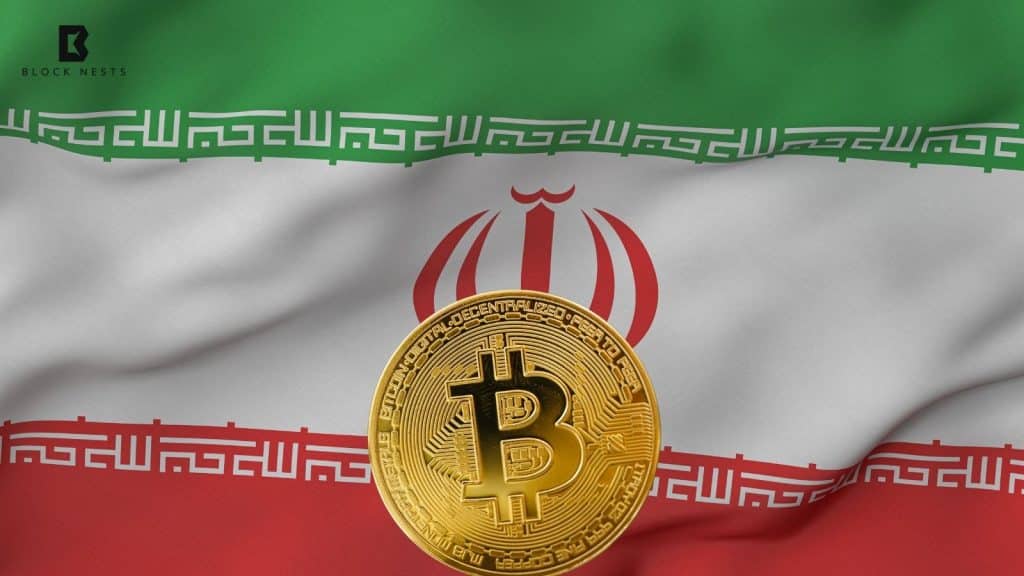
Iran has formally introduced crypto payments into its state-run defense export system. The Ministry of Defense export agency confirmed it now accepts digital assets for weapons contracts. The move targets foreign governments and comes as Iran remains largely excluded from Western banking networks due to long-standing international sanctions.
The announcement was issued by Mindex, the official body responsible for exporting Iranian military equipment. Reports indicate that contracts can now settle using cryptocurrency, barter arrangements, or the Iranian rial. Traditional dollar-based payments are not required under the updated framework.
According to Mindex, the policy is aimed at breaking financial constraints attributed to sanctions. Iran has had minimal access to the international SWIFT banking system, which has made international settlements very difficult. Digital assets facilitate transactions without the need for Western correspondent banks or dollar clearing systems.
Crypto Payments Open New Channel for Iran’s Defense Exports
The agency’s materials list several categories of military equipment available under the new payment structure. These include Shahed unmanned aerial vehicles, Emad ballistic missiles, Soleimani-class warships, and short-range air defense systems. The agency said it has established delivery and contract execution procedures that operate despite maritime and financial constraints.
Iran’s economic conditions form part of the backdrop to the decision. The national currency weakened sharply in 2025, and inflation rose above 40%, according to official data. These pressures have affected government revenues and industrial planning, including the defense sector.
Geopolitical pressure has also intensified. The United States recently announced new sanctions targeting alleged weapons trade networks involving Iran and Venezuela. U.S. officials said the measures aim to disrupt military supply chains and financial intermediaries linked to sanctioned entities.
Also Read: Lighter Introduces LIT Token Amid Strong Growth and Expansion Plans
Iranian officials have publicly argued for the need for alternative settlement systems. They have referred to crypto as a mechanism that enables trade to proceed without using financial infrastructure controlled by the U.S. The strategy is in line with the larger goal of Tehran to lose reliance on the U.S. dollar.
Iran Urges SCO on Shared Crypto Systems
Iranian leaders have advanced blockchain technology as a facilitator of trade. During a government-sponsored conference on blockchain, Parliament Speaker Mohammad Bagher Ghalibaf stated that digital currencies would be able to facilitate economic activity between countries that are otherwise constrained. He associated the technology with resilience in long-term trade.
Iran has also brought the matter to the regional platforms. The authorities made an appeal to the Shanghai Cooperation Organization’s members to contemplate common digital payment systems. The proposal would streamline the cross-border settlements between member states as well as reduce dependence on Western banks.
The export of cryptocurrency for defense purposes creates new compliance and monitoring issues. Global authorities are still monitoring blockchain usage related to authorized organizations. It will require foreign buyers to have increased scrutiny during high-value transactions to determine the effectiveness of the strategy of Iran.
Also Read: Stablecoin Disputes Stall South Korea’s Digital Asset Basic Act Until Next Year
How would you rate your experience?