Skip to content


- Iran mandates crypto or yuan tolls for tankers in the Strait of Hormuz after the ceasefire.
- $1 per barrel fee tied to cargo size, with strict review and Bitcoin payment rules.
- Ship traffic drops sharply as firms await clarity; crypto market sees $657M liquidations.
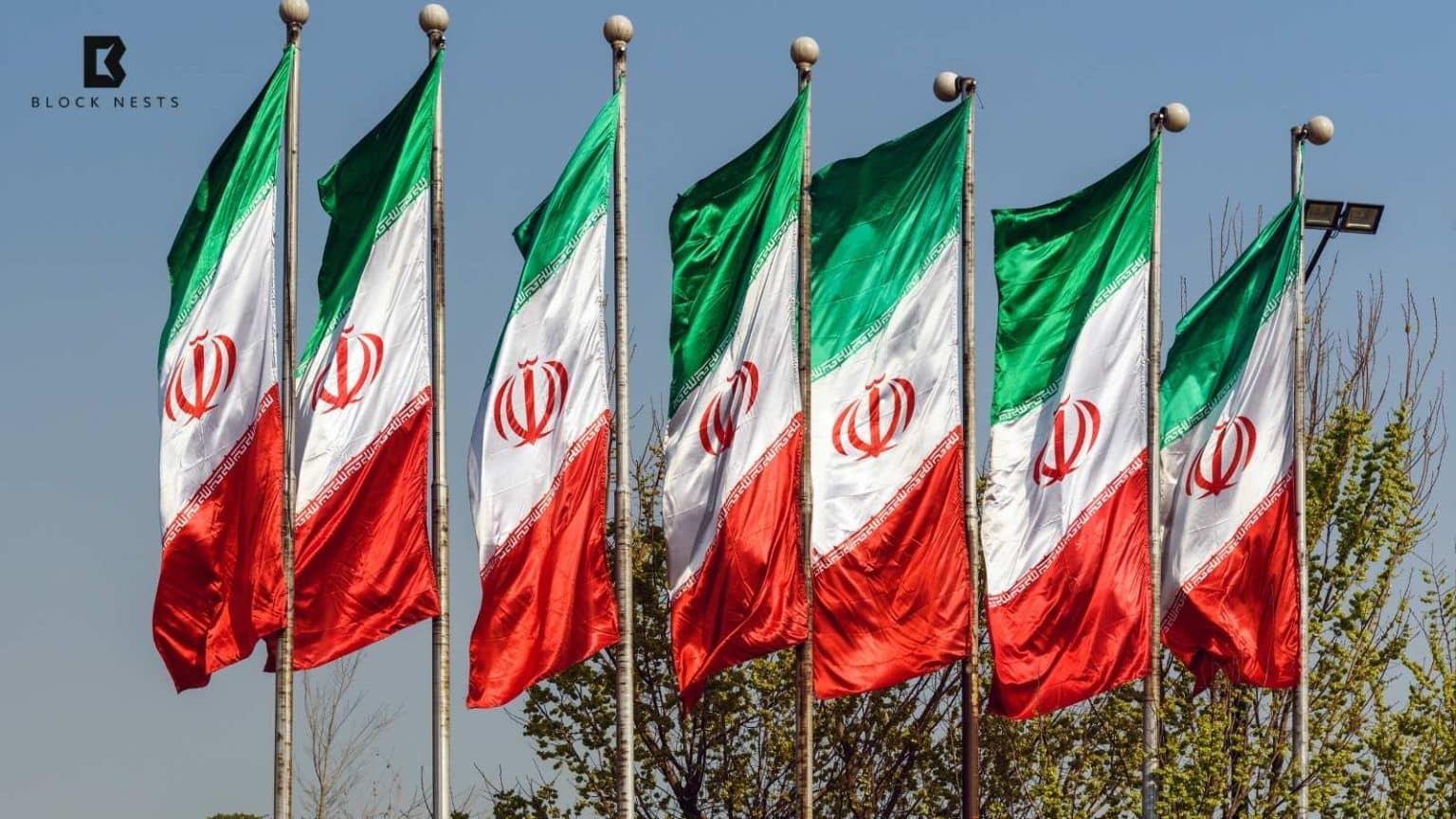
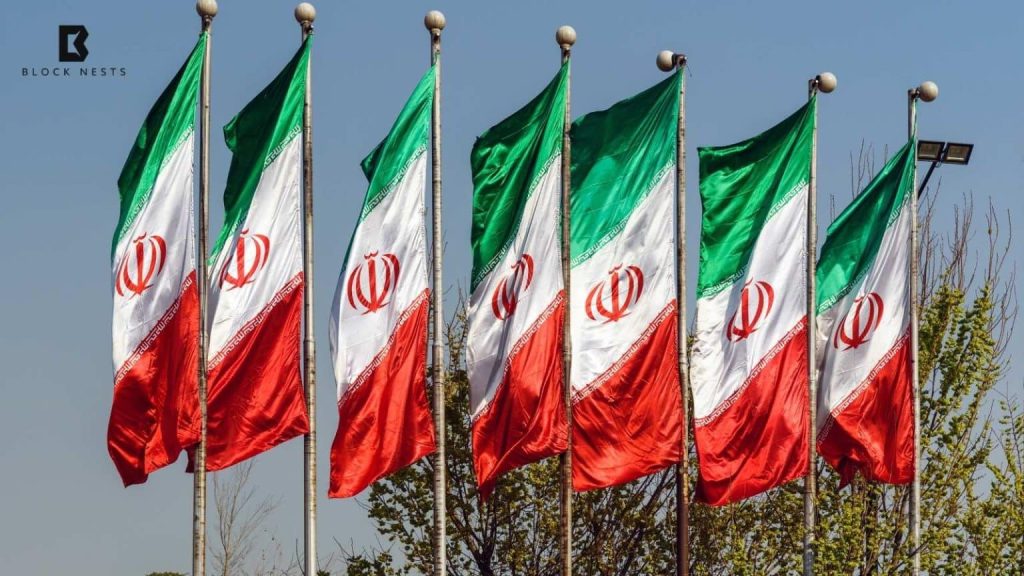
Iran has introduced a new transit system for oil tankers moving through the Strait of Hormuz after a two-week ceasefire with the United States. The policy requires payments in crypto or Chinese yuan to pass the strategic waterway.
The change follows a report by the Financial Times. It states that Iran is tightening control over shipping activity in the region. The system links payment with cargo monitoring and approval procedures.
Iran plans to charge one dollar per barrel of oil carried by each vessel. This means total fees rise with shipment size. The structure applies to all tankers crossing the strait under the new rules.
Crypto Payments and Vessel Checks
Hamid Hosseini, a spokesperson for Iran’s Oil, Gas, and Petrochemical Products Exporters’ Union, explained the process. He said each vessel must send cargo details by email before entry. Authorities then review the information before granting clearance.
Once approved, ships must complete payment in Bitcoin within seconds. Hosseini said the method reduces traceability under sanctions. The payment step is required before vessels receive permission to pass.
The system designed to monitor the movement of cargo during the time of the ceasefire, according to Iran. It would help ensure that there is no passage of arms via the same. All types of cargo will be permitted; however, they have to be reviewed prior to proceeding.
The process can take some time, depending on the results of the examination. Each individual ship will undergo scrutiny before the decision is made.
Iran has even sent out threats in the form of radio transmissions to all ships in the region. Apparently, there were radio messages written in English that were transmitted to any passing ships in the Persian Gulf. They informed the ships that moving without proper authorization would subject them to attack.
Also Read: Bitcoin Whale Transfers 300 BTC to Binance, Faces Heavy Loss
Ship movements via the waterway have been reduced due to the declaration of the system. Most vessels are waiting until further orders can be received concerning the new rules of the waterway.
On average, roughly 100 to 120 ships used to pass through the waterway. Currently, that figure has dropped significantly. The slowdown reflects caution among shipping operators.
Ceasefire Talks and Hormuz Access
This issue is a result of ceasefire talks taking place between Iran and the United States. US President Donald Trump stated that this truce will require reopening the route. In his statement, Trump emphasized that the route should be open for full and secure access.
Trump also proposed the idea of creating a joint system of collecting payments. However, the Iranian officials did not confirm any information regarding the cooperation at this time.
The importance of the route should be emphasized because of its crucial role in international energy delivery. An enormous number of deliveries take place every day using the Strait of Hormuz.
Thus, the introduction of this new crypto-based system for Iran is connected to its strategy of managing the route. First of all, it is an example of alternative currency when sanctions prevent the use of traditional money.
At the same time, the news from the region has a huge impact on the cryptocurrency market. The volume of liquidations during the 24-hour period reached $657 million.
Also Read: CME Set to Launch AVAX, SUI Futures as Crypto Trading Evolves
How would you rate your experience?