Skip to content

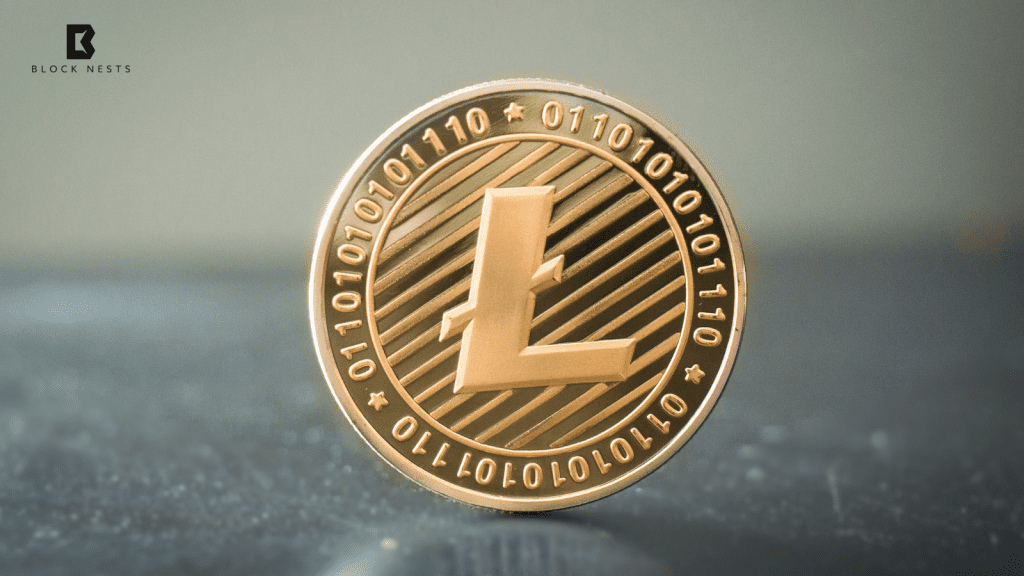

- LitVM introduces smart contracts to the Litecoin blockchain for the first time.
- The Layer-2 network is built using BitcoinOS and Polygon CDK with zero-knowledge technology.
- This upgrade positions Litecoin for integration into DeFi and real-world asset ecosystems.
Lunar Digital Assets has launched LitVM, a zero-knowledge Layer-2 network built for the Litecoin ecosystem. This release marks a new chapter for a blockchain that has long prioritized speed, low fees, and simplicity.
Litecoin’s ZK Omnichain arc begins 🔥
— LitVM (@LitecoinVM) May 30, 2025
LitVM is supercharging the Litecoin ecosystem with Web3 utility, scalability and interoperability.
Watch the official unveiling at Litecoin Summit with @CryptoRocky @EdanYago @DaddyCool1991 @michaelterpin to learn more. pic.twitter.com/A5tGgF0FOE
For the first time, Litecoin will offer smart contracts and programmable applications. Therefore, it is a shift toward an increasing demand for real-world use, decentralized finance, and on-chain innovation. LitVM was formally launched at the Litecoin Summit in Las Vegas.
The project Lite IM is endorsed by the Litecoin Foundation and constructed on top of the BitcoinOS and Chain Development Kit (CDK) of Polygon. The aforementioned technologies enable LitVM to preserve its integrity and decentralization while introducing features like trustless bridging, token issuance, and smart contracts.
Litecoin Unlocks Web3 with LitVM
Litecoin was launched in 2011 as a peer-to-peer currency, following the model of Bitcoin. It has served millions of users with fast, low-cost transactions. But it wasn’t programmable and thus had a limited role in the emerging Web3 ecosystems.
With LitVM, that changes. This new Layer-2 network uses zero-knowledge (ZK) rollups, an off-chain scaling solution that handles transactions and on-chain proofs only. Thus, it improves efficiency while keeping security intact.
Since LitVM is compatible with EVM, it means that developers can deploy smart contracts for environments similar to those on Ethereum but using native assets of Litecoin. Decentralized applications (dApps), tokenization of real-world assets, stablecoin payment systems, and cultural tools like Runes and Lordinals are all covered.
Cross-chain interoperability is another important feature. Through AggLayer, LitVM can tap into shared liquidity pools with other ecosystems. This makes Litecoin not just a payment tool but a bigger platform for digital finance.
Decentralized Services Come to Litecoin
The Litecoin ecosystem is built so that developers and users can create and run decentralized applications. Smart contracts have added a significant role by introducing new possibilities, including tools for lending, staking, and asset management.
With the capability of integrating native time locks and trustless bridges, LitVM would thereby effectively safeguard a user’s assets while interacting with other blockchain ecosystems.It’s a framework that allows users to experiment without risking the security of the base layer of Litecoin. The move shows a larger tendency among blockchain networks.
With increased adoption of Layer-2 solutions, Litecoin will soon be able to compete not just as a faster form of currency but also as a programmable and versatile platform. Therefore, the launch of LitVM is not just an engineering improvement but rather a shift in strategy. In an increasingly utility-centric world, Litecoin would henceforth appear to seek its place in a domain where utility stands tall alongside speed.
Related Reading: Bitcoin’s Final Leg Up: Is a $175K Breakout Coming Soon?
How would you rate your experience?