Skip to content



- Lummis rejects criticism and pushes stronger DeFi developer protections forward
- Legal concerns rise as CLARITY Act definitions spark regulatory uncertainty
- Senate debate intensifies over classification risks facing non custodial developers
Regulatory pressure around decentralized finance has intensified as lawmakers refine key crypto legislation in the United States. This has led to a shift in the debate on whether the developers have sufficient protection of the law under the proposed framework.
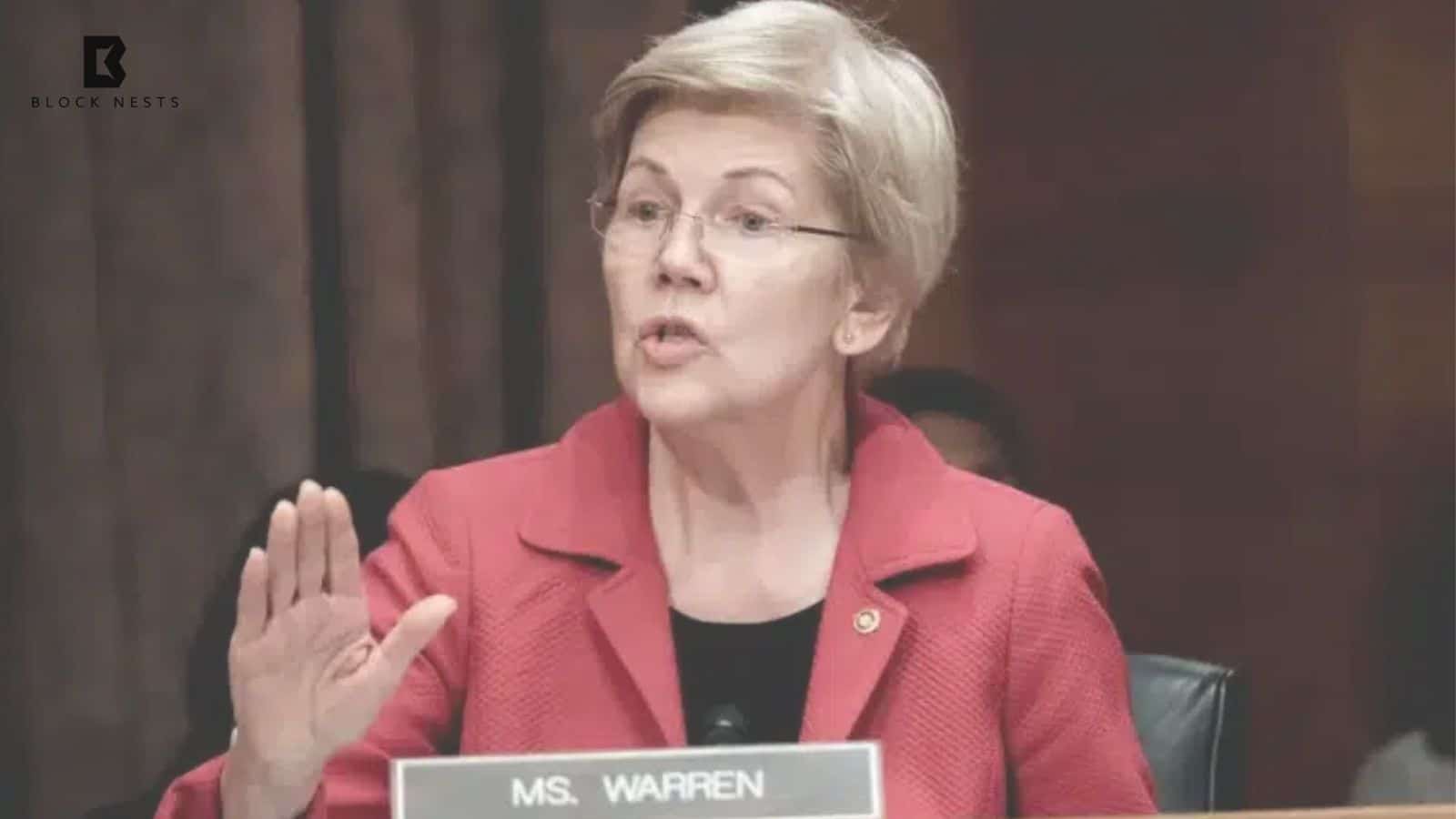
Senator Cynthia Lummis states that recent amendments to the Digital Asset Market Clarity Act would provide much protection to the creators of decentralized finance. She shunned criticism that says the bill will expose the builders to new compliance burdens. In addition, she highlighted that bipartisan revisions are meant to ensure innovation and at the same time maintain oversight.
Crypto lawyer Jake Chervinsky however threw out an issue of the bill defining money transmission. In his opinion, the ambiguity of the wording in Title 3 would continue to place non-custodial developers under regulatory burdens. According to him, this is a danger to the ongoing efforts to put developers out of the classification of financial intermediaries.
Also, the controversy is a symptom of larger conflicts between regulation and technological advancement. The definitions of the way software creators should be treated by the financial laws are still being perfected. Consequently, the result can predetermine the development of decentralized platforms in regulated settings.
Don't believe the FUD– we have worked on a bipartisan basis for the last few weeks to make changes to Title 3 that make this bill the strongest protection for DeFi and developers ever enacted. We have to pass the Clarity Act to get these protections. https://t.co/CMQNHuvvFv
— Senator Cynthia Lummis (@SenLummis) March 27, 2026
Also Read: Resolv Hacker Offered $2.5M Bounty to Return $25M in 72 Hours
Developer Classification Dispute Drives Legislative Tension
Chervinsky emphasized that non-custodial developers are not the owners of the funds of users and should not be subject to strict compliance laws. He cautioned that classification would deter innovation and reduce growth in decentralised finance ecosystems. In addition, he observed that there are recent court cases involving developers that make the industry more concerned.
Contrary to this, Lummis argued that the bill includes the provisions of the Blockchain Regulatory Certainty Act. She says these sections explain that developers who have no authority over the assets do not face tight financial regulation. She explained that there is still need to have the CLARITY Act passed to achieve these safeguards in law.
In the meantime, the attention to the stablecoin provisions has shifted the interest to the issues related to developers. Chervinsky has noted that the reward architecture conversation has dwarfed issues relating to software developers. As a result, certain stakeholders fear that other major risks will not be given due consideration before they are approved.
In addition, legislators are nearing efforts to pass the bill by the Senate Banking Committee. This development indicates continued bipartisan collaboration despite disputes on a particular language. Thus, the ultimate amendments can define the extent to which the legislation can strike the right balance between compliance and innovation promotion.
The relevance of definite definitions in the development of crypto regulation can be emphasized by the current discussion. The law-makers are now under pressure to solve the concerns that are left before the bill proceeds more.
Also Read: Evernorth Signals XRP Breakout as Native Lending Protocol Nears Activation
How would you rate your experience?