Skip to content


- Mantra Network is accused of committing a rugpull, raising concerns over real-time detection of fraudulent dapps.
- Rugpulls are common in DeFi, with developers embezzling funds, leaving users with worthless assets.
- Tools like DappRadar help identify red flags in dapps, providing real-time data to prevent falling victim to scams.
In early April 2025, the crypto community began discussing the fact that Mantra Network committed a rugpull. The platform is also accused of withdrawing users’ funds and then vanishing; the platform operates on Polygon. This has sparked debates on how users can effectively determine the authenticity of decentralized applications (dApps) in real-time.
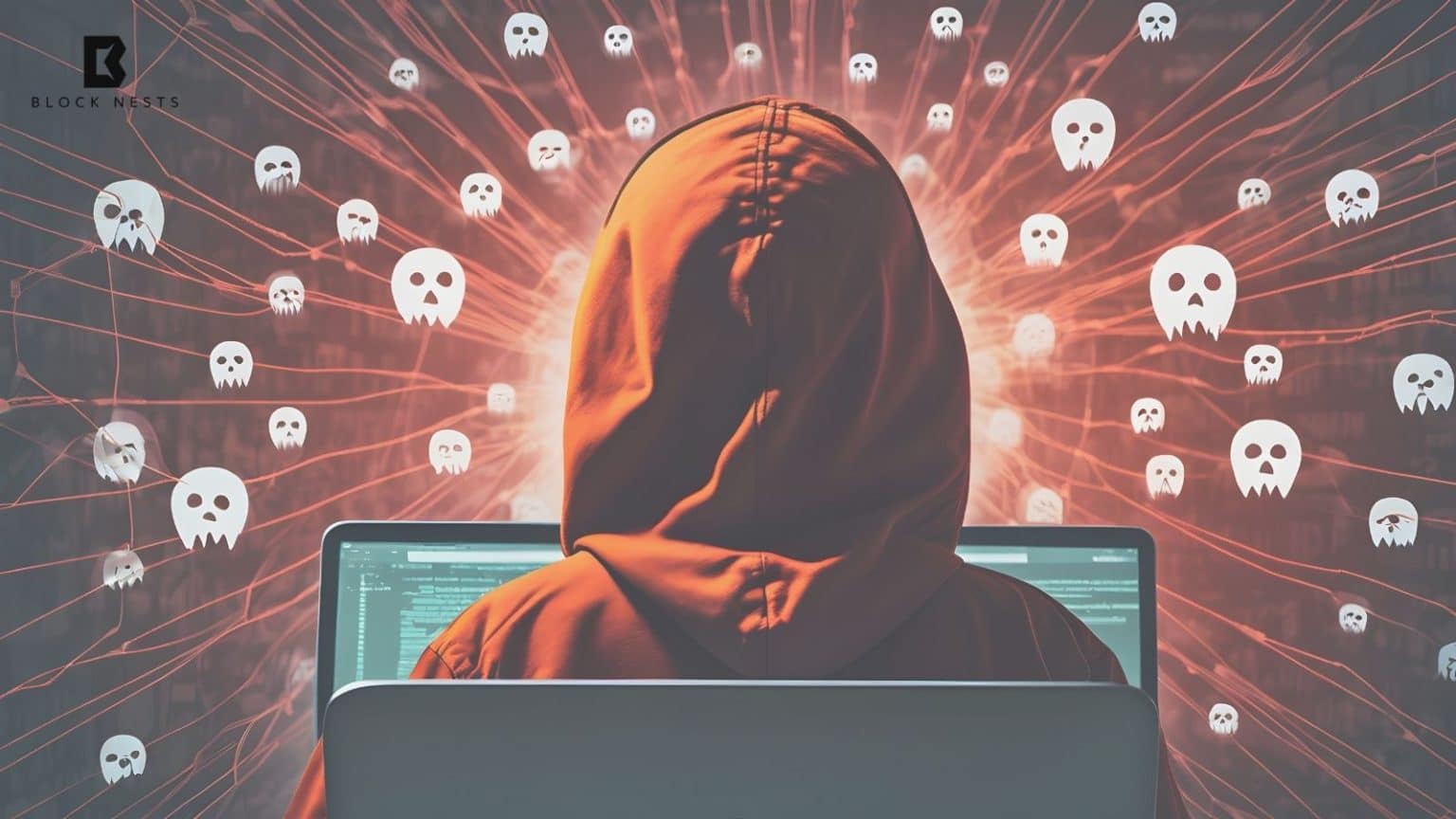
Blockchain has been coupled with financial liberation and transparency in the global community. However, that is proven not disadvantage as decentralization is vulnerable to organizational actors that wish to manipulate the system. Pump and dump schemes and rug pulls are quite common, most notably in the context of DeFi applications.
Some of these involve the developers themselves embezzling funds from a project soon after receiving the funds from investors. Frequently, users are left with a lot of assets that are almost worthless while the developers are long gone with the earnings.
Identifying Soft and Hard Rugpulls
There are generally two types of rugpulls termed as the soft rugpulls and the hard rugpulls. Rugpulling is often deemed soft when the developers dump their tokens in the market which causes its price to fall over a period. However, hard rugpulls are more sensitive, more overt and bring forth quite unexpected feelings of victoriously dry-cleaned enthusiasm. Developers may also freeze tokens, drain liquidity, or halt smart contracts killing the project completely. The two largely depend on creating buzz, employing social engineering, and generating fake statistics to get hold of users.
It is sometimes challenging to identify these scams at their early stage. DappRadar tracks over 17k dapps and provides such fundamentals as potential project evaluation and determining the dapp’s genuineness. Through the metric such as unique active wallets, transaction volume, and the smart contract’s traceability, users can identify the former’s unusual activities before it happens.
The use of DappRadar data indicates early signs for Mantra Network. Its peak in unique active wallets (UAW) was 64 in December of the year 2024. Following that, the daily interaction rates were few and ranged between 1 and 11 wallets. These variations in user participation bring questions on the validity of the site and can be a sign of influence.

Source: DappRadar
Mantra Network’s Transaction Irregularities
Transaction data also contributes to the concern. However, on some of the days, the board recorded not less than 66 transactions, while there were other days, that recorded no movement at all. Behaviour like this looks like some irregular movement, which might be internal transfer or probably bot traffic metrics. This type of ‘economy’ instability is typical for an artificially inflated platform where the number of engagements is bought to mislead users.
Therefore, the Mantra Network case is an example of an ongoing investigation for the crypto community. It can be asserted that, apart from performing due diligence, real-time data is a critical factor to be used when evaluating projects. To prevent being scammed, users should beware when interacting with new Dapps particularly when these-known risky indicators arise, including high transactional frequency and irregular activity. Such resources help in minimizing the risk of falling prey to a rug pull by offering services such as that of DappRadar.