Skip to content

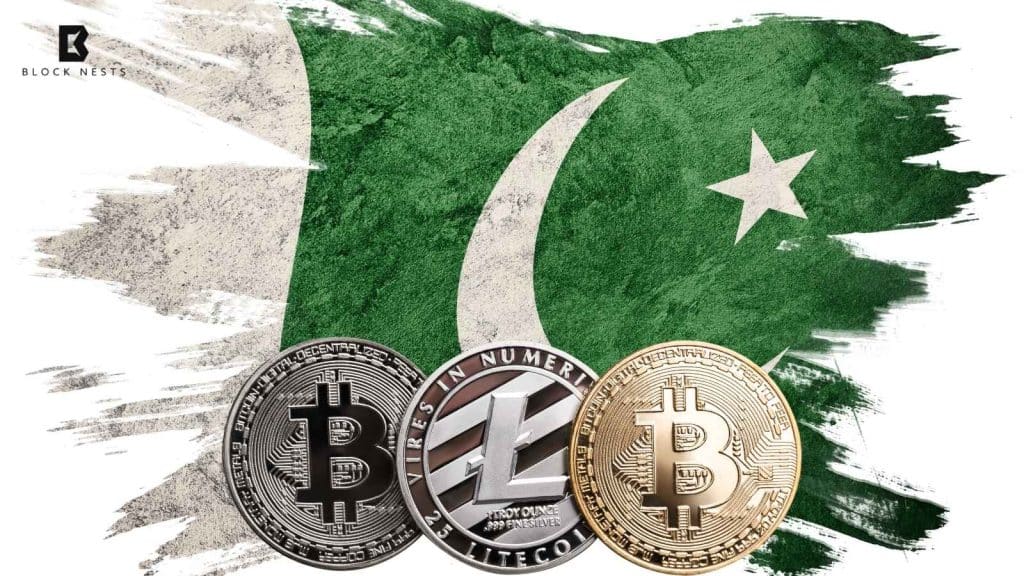

- Pakistan advances crypto regulation as CZ says it could become a global crypto hub.
- PVARA begins licensing major exchanges, signaling a clear shift toward regulation.
- Tokenization plans and stablecoin research highlight Pakistan’s expanding crypto agenda.
Pakistan accelerated its push into crypto regulation and adoption in 2025. The efforts drew praise from Binance Co-Founder Changpeng “CZ” Zhao, who said the country could become one of the world’s leading crypto hubs by the end of the decade.
His comments came as Pakistan continued building a formal framework for digital assets while global interest in blockchain finance increased. The shift marked one of the nation’s most significant financial initiatives of the year.
CZ shared his views during an interview with Pakistan Crypto Council CEO Bilal bin Saqib. He pointed to Pakistan’s young population and its growing understanding of technology. He also highlighted the country’s improving policy direction. According to him, the leadership’s clear vision and rapid pace could set Pakistan apart. He said that if progress continues, Pakistan may emerge as a major crypto player within five years.
A conversation between Changpeng Zhao (@cz_binance), Founder of Binance and Chairman PVARA, @BilalBinSaqib on the future of crypto in Pakistan.
— Pakistan Virtual Assets Regulatory Authority (@PakistanVARA) December 30, 2025
From Pakistan’s potential to tokenization and what comes next for the virtual asset economy.
Timestamps:
– Why Pakistan for Crypto?:… pic.twitter.com/ILGHOMBdWY
Regulatory Reforms Strengthen Pakistan’s Crypto Sector
Pakistan made several regulatory moves in 2025. The government created the Pakistan Virtual Assets Regulatory Authority, also known as PVARA. The body oversees digital assets and virtual asset service providers. It includes representatives from the State Bank of Pakistan, the Securities and Exchange Commission, and the Federal Board of Revenue. The coordination helped unify oversight of the expanding crypto sector.
PVARA soon granted in-principle approvals to major international exchanges. Binance and HTX were permitted to begin setting up local operations. These approvals allowed both exchanges to prepare for full licensing. The move represented a shift from earlier uncertainty. It introduced a phased licensing model supported by financial regulators.
Pakistan takes a decisive step toward a regulated digital asset future.
— Pakistan Virtual Assets Regulatory Authority (@PakistanVARA) December 12, 2025
Pakistan Virtual Assets Regulatory Authority (PVARA) has issued NOCs to Binance and HTX, launching a phased, FATF-aligned pathway toward full licensing. Strong governance, AML and CFT compliance remain… pic.twitter.com/jSk6JTqvFt
Pakistan also explored broader digital asset strategies. Officials discussed the idea of creating a Bitcoin reserve. They considered real-world asset tokenization as a way to attract foreign investment. The discussions included potential tokenization of sovereign assets and domestic securities.
Also Read: Lighter Introduces LIT Token Amid Strong Growth and Expansion Plans
CZ backed these concepts in the interview. He said tokenization would raise investors’ access to the market across the world. He raised the question of why any nation would wish to shut out international purchasers of its shares or property. He stated that the tokenized instruments could potentially guide foreign investment in Pakistan’s markets.
Crypto Tokenization Plans Gain Momentum In Pakistan
In the beginning of this year, Pakistan signed a non-binding memorandum of understanding with Binance. The deal entailed consideration of the tokenization of a maximum of $2 billion in sovereign assets. These assets were the government bonds and commodities reserves. Reuters reports that the goal was to increase transparency and boost liquidity. The plan was open to regulation approval.
However, CZ indicated that blockchain helps reduce obstacles among individuals and small businesses. He observed that conventional systems tend to restrict involvement. He emphasized the importance of education programs and incubators as well. Pakistan, with the help of those resources, might be capable of promoting domestic innovation in the cryptocurrency field.
Pakistan is also researching the concept of issuing a national stablecoin. The currency would modernize payments, according to the officials. They also reported that it can help in the management of debt. Achieving the results will be based on regulation and the conditions of the market. Nevertheless, this is a very fast pace of development, which has drawn the attention of the world towards Pakistan.
Also Read: BitMine Sets Early 2026 Timeline for MAVAN Ethereum Validator Launch
How would you rate your experience?