Skip to content


- Global stablecoin adoption depends on five priorities: real-world use, interoperability, regulation, reliability, and shared standards.
- Inconsistent global rules are the biggest barrier but also the greatest opportunity for cooperation.
- Interoperability is the missing link that will determine whether stablecoins unite or fragment the global financial system.
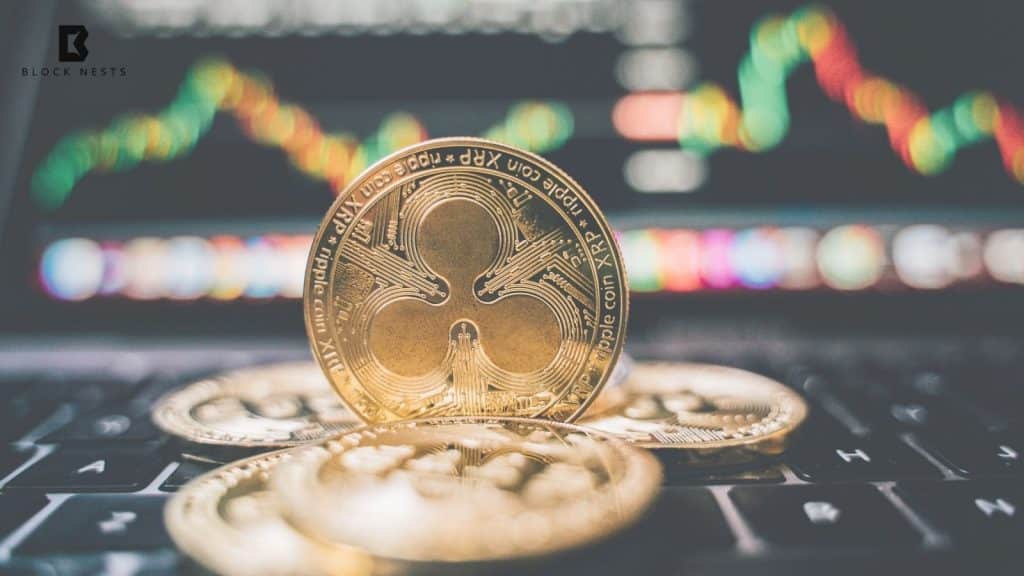
According to the announcement, the promise of stablecoins has always been bold: digital, stable, and borderless money. They blend the dependability of fiat currencies with the efficiency of blockchain technology. Ripple, a key player in blockchain-based payments, continues to advance this vision by promoting faster and cheaper global transactions.
What are the biggest challenges keeping stablecoins from becoming truly global money?
— Ripple (@Ripple) October 15, 2025
We summarised insights from top policymakers and industry leaders: https://t.co/jyiKU7ry2C
It comes down to 5 priorities for building a truly borderless system:
🟢 Acknowledge and build on…
With stablecoins at the heart of global finance, no longer the question of whether they make a difference but how they will revolutionize cross-border payments. Policymakers and industry chiefs convened at the Point Zero Forum in the early part of this year to debate the future evolution of stablecoins.
Ripple and Global Digital Finance published a collaborative report that summarized their opinions. The report investigated whether stablecoins had the potential to unleash frictionless global payments or get stuck in country systems.
Their report set forth five areas of priority defining a truly international system: real-world application, interoperability, regulatory consistency, soundness, and common standards. these areas trace the route to financial systems linking instead of isolating markets.
Ripple Says Regulatory Harmony Is Stablecoins’ Biggest Hurdle
Regulatory harmonization was named its toughest challenge. Regulations differ significantly from country to country, hindering innovation and access. International regulators nonetheless seek to establish universal standards, potentially widening the chasm.
An important case in point is the proposed Basel Committee Cryptoasset Exposures Standard, dubbed SCO60. This framework requires minimum capital by banks that hold digital assets. Although created to ensure financial stability, market groups caution that too stringent rules might push innovation out of regulated pipelines.
A group of financial associations urged the regulators to have different treatment of regulated and unregulated stablecoins. They contended that both pose unique risks, and equal treatment of rules defeats balanced supervision. A single treatment could deter banks from dealing with non-violation stablecoins and push activity to unregulated markets.
Real regulatory coexistence ought to bring traditional financial and blockchain systems together. It should make space allow banks, payers and payers providers, and fintechs to coexist under transparent, risk-aware rules. Collaboration, and not exclusivity, will pave the way to global adoption.
Stablecoins Need Interoperability to Go Global
Despite clear regulation, stablecoins will have to contend with non-interoperability. Fragmented systems of today typically end up entrapping value in isolated networks. Lacking universal technical standards, a dollar-backed stablecoin in one location may not operate easily in another.
Interoperability guarantees that value could flow easily between blockchains, issuers, and jurisdictions. This keeps digital currencies from becoming isolated silos and enables a truly borderless system to exist. Trust and connectivity underlie the global economy.
Stablecoins have the potential to bring both, only if countries converge on technology, rules, and purpose. By doing these five priorities, stablecoins can transition from promise to practice, crafting the next phase of global finance.
Related Reading: Strategy Inc Expands Bitcoin Treasury Through New ATM Offering Programs
How would you rate your experience?