Skip to content



- Dormant Bitcoin wallets face new risks as quantum computing advances rapidly
- Satoshi holdings could disrupt markets if quantum security barriers fail
- Crypto industry debates solutions as quantum threats challenge Bitcoin security
The issue of Bitcoin long-term security has been a major concern and new discoveries have been made pointing to dangers associated with unutilized holdings. Attention has shifted toward early Bitcoin wallets, especially those linked to its pseudonymous creator. These wallets have been inactive over the years and the fact that their contents would never move was strengthened.
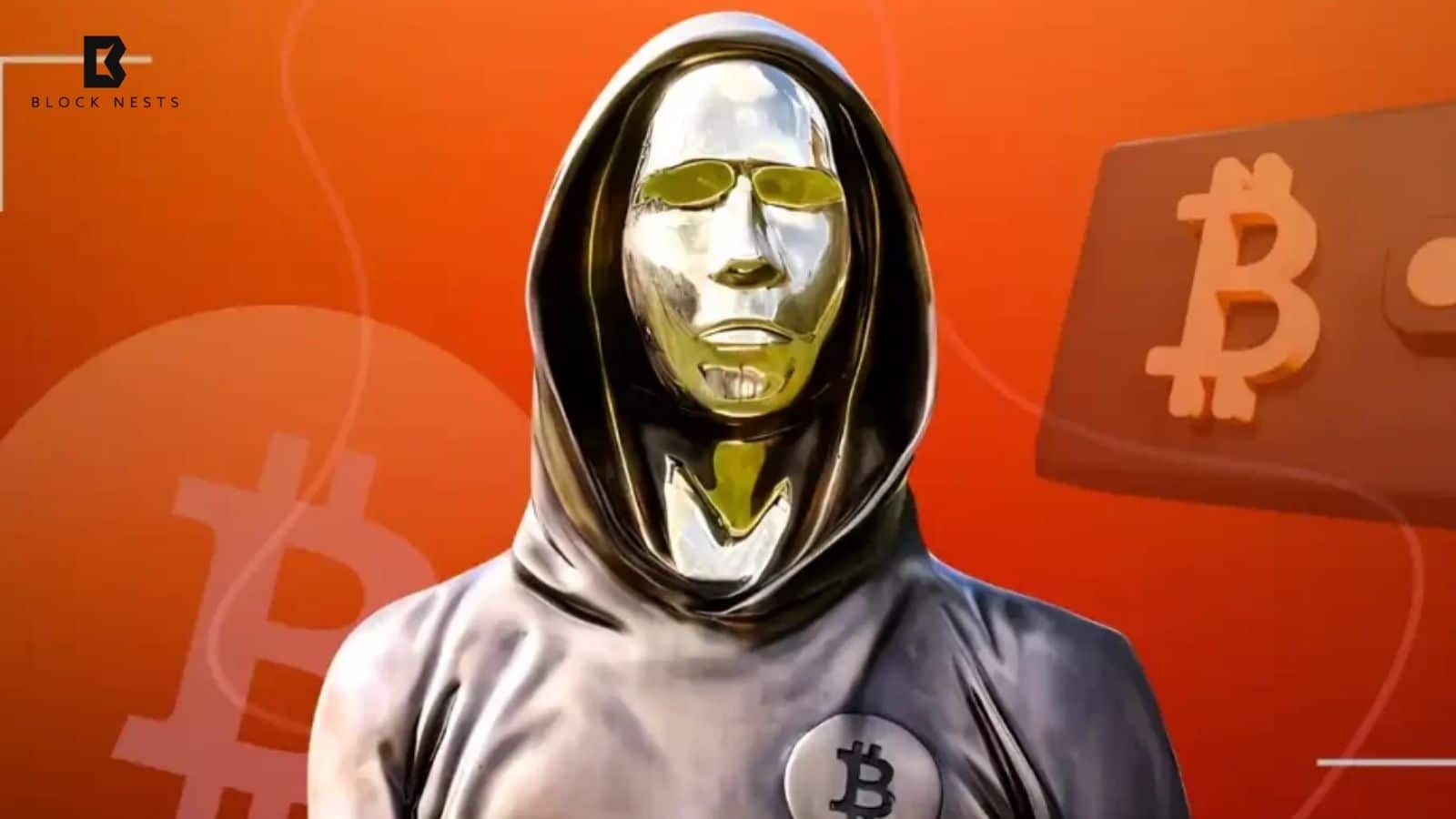
Nevertheless, this assumption is currently being questioned as the momentum of quantum computing progresses. Most recently, a report by Bloomberg stated that inactive Bitcoin wallets associated with Satoshi Nakamoto may fall prey to future attackers, should they breach the existing cryptographic security measures.
Also Read: XRP Supply Tightens as Binance Reserves Hit $3.6B While Netflows Stay Deeply Negative
Dormant Supply Shapes Market Stability and Scarcity Narrative
As statistics show, a large number of Bitcoin is inaccessible due to the loss of private keys. It is approximated that there are about 2.3 million coins that are lying idle. This has been used to explain the narrative of scarcity in Bitcoin and price stability since this supply is limited.
Meanwhile, wallets that belong to Satoshi Nakamoto are estimated to contain approximately 1.1 million Bitcoin. This is a large percentage of aggregate supply. Consequently, any abrupt change in the movement would have a powerful influence on the liquidity and price. Also, the market models do not often circulate these coins, according to Bloomberg.
Quantum Advances Challenge Assumptions About Dormant Wallet Security
The quantum research has been of concern because of the new findings, which have triggered the issue of cryptographic resilience. The latest whitepaper has shown advancements in quantum algorithms, which make the hardware requirements of possible attacks less demanding.
This evolution proposes that wallets that were once secure might not be secure forever. Such technological advancement may one day give the attackers the ability to get into the wallets that have not been used in a long time, according to Bloomberg. The threat is
Market Impact Fears Grow as Large-Scale Supply Shock Looms
The history of the market shows that it is very sensitive to changes in supply. As an example, the sale of 50,000 Bitcoin by Germany in 2024 boosted market pressure. Thus, when dormant wallets are released significantly, volatility across exchanges can be increased. Moreover, Bloomberg cautioned that the amount of recovered coins would flood the market in case of a sudden increase in the coins.
In the meantime, there is growing momentum on long-term solutions. Post-quantum cryptography is being investigated by developers as a way of enhancing network security. Nevertheless, such changes in decentralized systems are still difficult and disputable. Although it is unclear what risks might lie in the short run, the problem brings out the necessity to have more robust security measures with the increasing technology.
Also Read: Crypto Hacks Explode 96% in March as $52M Losses Rock DeFi Sector
How would you rate your experience?