Skip to content


- South Korea considers early crypto account freezes to stop profits from market manipulation.
- Regulators seek faster powers as court warrant delays allow funds to move off exchanges.
- Broader crypto rules include stricter transfer reporting and tougher exchange oversight.
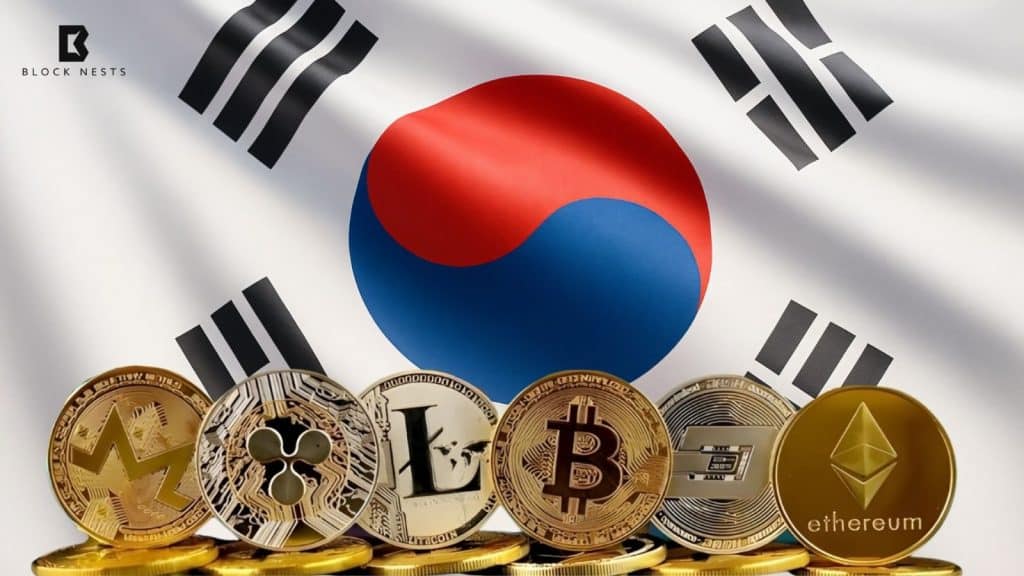
South Korean authorities are weighing new enforcement tools aimed at the Crypto market. The proposal would allow regulators to freeze suspected accounts earlier in investigations. Officials say faster action is needed to stop illegal trading profits from disappearing before formal measures can be applied.
Local media reports that the focus is on market manipulation cases. Regulators believe current procedures are too slow for fast-moving Crypto activity. Often, funds have already moved by the time legal approvals arrive.
The Financial Services Commission is reviewing whether it should gain authority to temporarily block transactions. The measure would apply when manipulation or theft is strongly suspected. At present, a court warrant is required before accounts can be frozen.
That legal process can take days. During that time, suspects may transfer assets to private wallets. Authorities say this gap weakens enforcement and reduces recovery chances.
Crypto Manipulation Tactics Expose Enforcement Gaps
Regulators cite typical market manipulation tricks in crypto markets. These arise as front-running, wash trading on automated bots, and making big fake buy orders. These approaches have the potential to make huge profits over a relatively short period.
When profits start to appear, they are difficult to monitor. Regulators indicate that previous freezes might help avoid quick losses of assets. They claim that the move would make the retail traders less susceptible to unexpected losses.
In November, a secret policy conference allegedly discussed the issue. The officials also looked at the initial crypto manipulation case under the rules that came into force in April 2025. The case has shown weaknesses in current enforcement capabilities.
Individually, South Korea is attempting to tighten the regulation over crypto transfers. All the transactions below 1 million won, or approximately $680, would have new requirements. Details of the sender and receiver would have to be reported.
Also Read: Grayscale Makes U.S. History With First Ethereum Staking Rewards Payout to ETF Investors
The government asserts that the action aims to combat tax evasion and the illegal movement of funds. Smaller transfers have been considered a loophole. The bridging of that gap will enhance traceability.
Regulatory Framework Signals Tighter Crypto Oversight
The suggested freeze authority of accounts falls under a wider regulation framework. This is the initial stage of crypto legislation in South Korea. It focuses on the protection of the user and market fairness.
There will be a second stage later. It will probably cover stablecoins and more robust regulations against market abuse. These moves are indicative of increased institutional interest in digital assets.
Recent enforcement measures are consistent with that direction. The National Tax Service announced in October that tax investigations could seize crypto that was in cold wallets. This move extended asset recovery.
The FSC also considered in December whether exchanges had to compensate users for losses. Damages due to hacks or system failures were discussed. In the absence of proven negligence, liability may also arise.
Meanwhile, the Financial Intelligence unit is imposing penalties for key exchanges. The cases relate to the purported anti-money laundering offenses. Authorities claim that they will be strict on law enforcement.
Collectively, the actions indicate a definite change of policy. South Korea is headed in the direction of quicker intervention and closer supervision. Law enforcers believe that an initial crypto account freeze may support integrity in the market as trading activity keeps rising.
Also Read: South Korea’s Stablecoin Regulation Faces Deadlock Over Issuer Requirements
How would you rate your experience?