Skip to content


- Shin Hung-song leaves his role at the Bank for International Settlements.
- South Korean firms still wait for approval to launch stablecoins.
- Shin warns that stablecoins could trigger capital outflows.
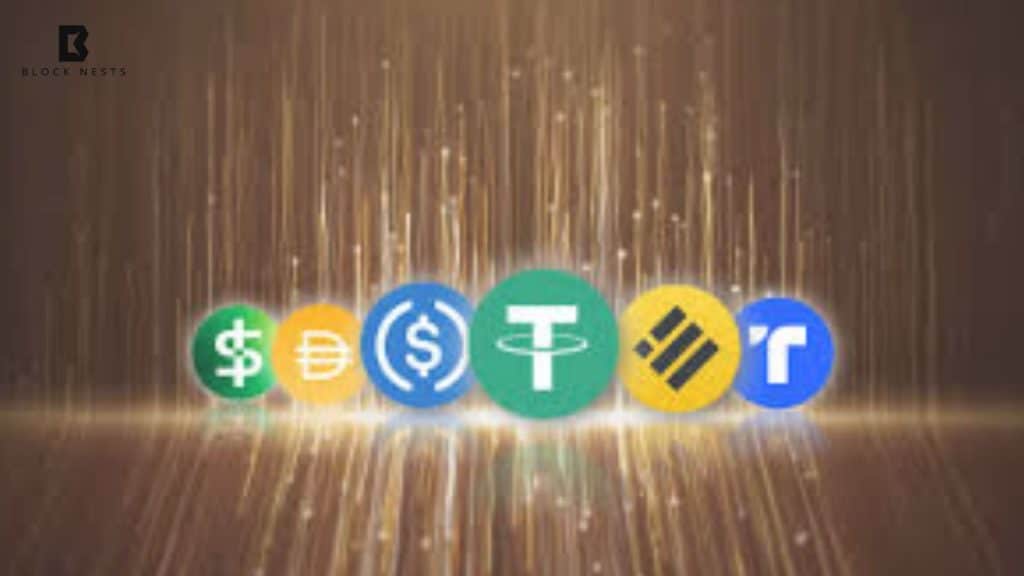
South Korea has entered a new phase in its crypto debate, with rising focus on stablecoins. Lee Jae-myung has nominated Shin Hung-song as the next governor of the Bank of Korea. He will step down from his global role with immediate effect.
His nomination has drawn attention across financial and tech sectors. Shin has expressed strong concerns about stablecoins in the past. His views may shape the country’s future approach to digital assets. Market observers now watch closely for signals of policy direction. Shin has warned that won-backed stablecoins could weaken foreign exchange controls.
He believes users may convert local stablecoins into dollar-based crypto assets. This process could create a new path for capital to leave the country. His stance aligns with broader caution seen among central bankers worldwide. Industry participants see his appointment as a turning point. Many expect stricter oversight rather than rapid approval of new crypto products.
South Korean Firms Push for Stablecoin Adoption
South Korean technology firms have pushed for stablecoin adoption. They want to issue won-pegged tokens to improve cross-border payments and digital trade. These firms believe stablecoins can increase efficiency and reduce transaction costs. However, regulatory progress has slowed. Government officials have discussed new legislation for months.
Clear rules have yet to emerge. This delay has left many companies uncertain about their next steps. President Lee had made stablecoins a key campaign issue. He promised to support innovation in digital finance. His administration aimed to position South Korea as a leader in blockchain adoption.
Despite these goals, the Bank of Korea has maintained a cautious stance. The central bank has raised concerns about monetary control. Officials argue that private stablecoins could weaken policy tools. They also fear risks to financial stability. Industry insiders now question whether new leadership will shift this position. Some believe Shin may maintain his critical stance. Others expect adjustments once he assumes office.
Global Warnings Shape Local Debate
International institutions have also raised concerns about stablecoins. Reports from the Bank for International Settlements highlight structural risks. These include weak regulation and potential threats to monetary sovereignty. Such warnings influence policymakers in South Korea.
Authorities aim to balance innovation with stability. They want to avoid risks that could disrupt financial systems. Meanwhile, crypto markets show signs of volatility. Bitcoin trades near 68,306 dollars after a recent decline. Ethereum has dropped to around 2,073 dollars.
These movements reflect broader uncertainty in digital asset markets. The coming months will prove critical. Shin’s leadership could shape the direction of stablecoin policy. His decisions may determine whether South Korea accelerates adoption or tightens control.
Also Read: Strategy Expands Bitcoin Holdings Past 762,000 BTC Amid Ongoing Accumulation Push
How would you rate your experience?