Skip to content


- Russia may review its ban on domestic stablecoins in 2026.
- Global crypto practices now influence Russian policy thinking.
- Public debate will shape the final decision.
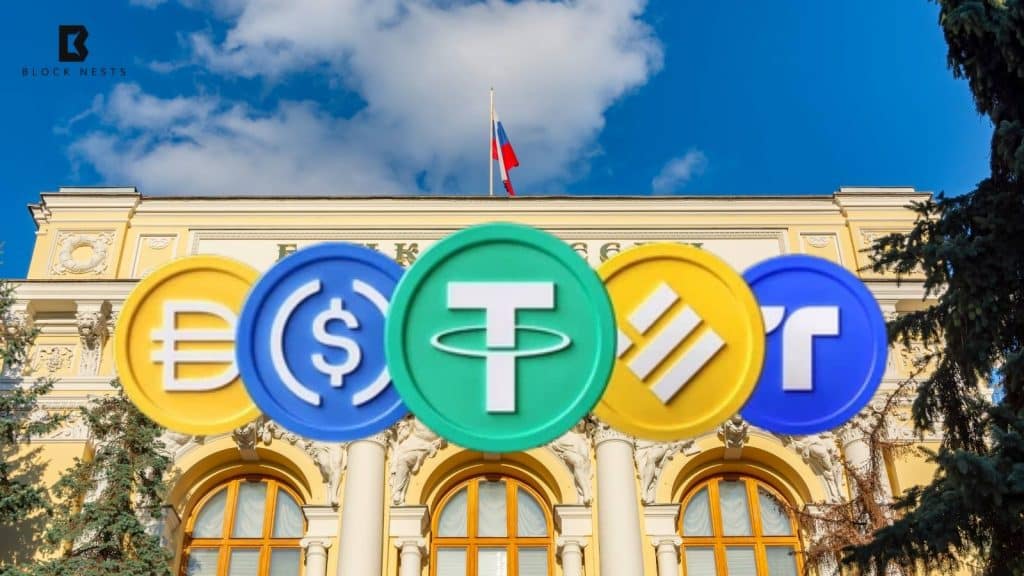
The Central Bank of Russia plans to review the idea of a domestic stablecoin tied to the national financial system. The move marks a shift from years of strict resistance to digital assets. According to TASS, the regulator will study the stablecoin issue in 2026.
The Bank of Russia has officially announced a study to evaluate the feasibility of a Russian stablecoin.
— Conor Kenny (@conorfkenny) February 13, 2026
First Deputy Chairman Vladimir Chistyukhin admitted the regulator is reconsidering its conservative stance, citing the "market architecture" needed for a new digital era.… pic.twitter.com/bzvVs5PVpK
The aim of the review is centered on risk, control, and benefits. The authorities indicate that the review is informed by global developments on digital finance. Many countries are currently conducting trials on stable digital currencies. Russia cannot ignore this trend. The review, however, does not mean endorsement.
It is a test of whether a stablecoin can be integrated into Russia’s financial system. The central bank wants to know the threats to monetary stability. It also wants to know the implications for banks. The results of the review will be made available for public discussion. This could involve lawmakers, businesses, and people.
The central bank has long been against stablecoins. They considered them to be risky alternatives to money. They also considered losing control over capital movement. This position is under pressure from abroad. Other countries are either conducting reviews or laying down regulations on stable assets.
Regulator Reviews Global Stablecoin Models
Some of them use it for trade and settlement. At the Alfa Talk conference, First Deputy Governor Vladimir Chistyukhin discussed this. He said that global practices prompted this. The regulator would assess both risks and opportunities. It would assess foreign practices and past mistakes.
It would also assess whether it could restrict misuse through close supervision. The assessment would be on design options. The assessment could be asset support and issuance rules. It could be links to the ruble and payments. It would be a key area: cyber risks. Adhering to anti-money laundering regulations would be important.
The bank would want clarity before moving forward. Stablecoins have become part of global crypto exchanges. Traders use it for efficiency. Some countries see it as a tool for efficiency. Some countries are afraid of substitution. Russia is caught somewhere.
Regulators Weigh Stablecoin Risks and Benefits
The issue of sanctions and cross border limits also comes into play. The domestic stablecoin can ease internal transfers. It can also encourage innovation in fintech. But at the same time, it can reduce the demand for bank deposits. The goal of the regulator here is to ensure no disruption in credit supply.
It’s important to note that research does not necessarily equate to launch. There are certain strict rules to follow if a proposal is put forward. The bank here will most likely demand full transparency. In the case of private issuers, regulators can impose severe limits or exclude them entirely.
Once the research is done, the bank will announce its findings. Thereafter, the debate will begin. It’s expected that there will be strong opinions on both sides. Some people will advocate for innovation. Others will advocate for stability.
The decision in this case can take a long time. Nevertheless, the fact that a review is being done means there’s change. Russia now seems to be open to discussing stablecoins. This means there’s a shift in the thinking of global finance.
Also Read: Bitcoin Slides to $60K as Tech Stocks Sink, Raising Fresh Store-of-Value Debate
How would you rate your experience?