Skip to content


- South Korea plans to allow listed companies to trade digital assets under new regulatory guidelines.
- Authorities will likely exclude stablecoins during the early stage of corporate participation.
- Legal conflicts with foreign exchange rules drive the cautious approach.
South Korean regulators plan new rules letting listed companies enter the digital asset and stablecoin market, encouraging institutional participation in a sector mostly led by retail investors. The guidelines come from the Financial Services Commission.
They will be released once the Digital Asset Basic Act is finalized by the lawmakers. The document will contain the guidelines for the trade of digital assets by the listed corporations and professional investment companies for investment and financial management. Nevertheless, the regulators intend to limit the assets in the first stage.
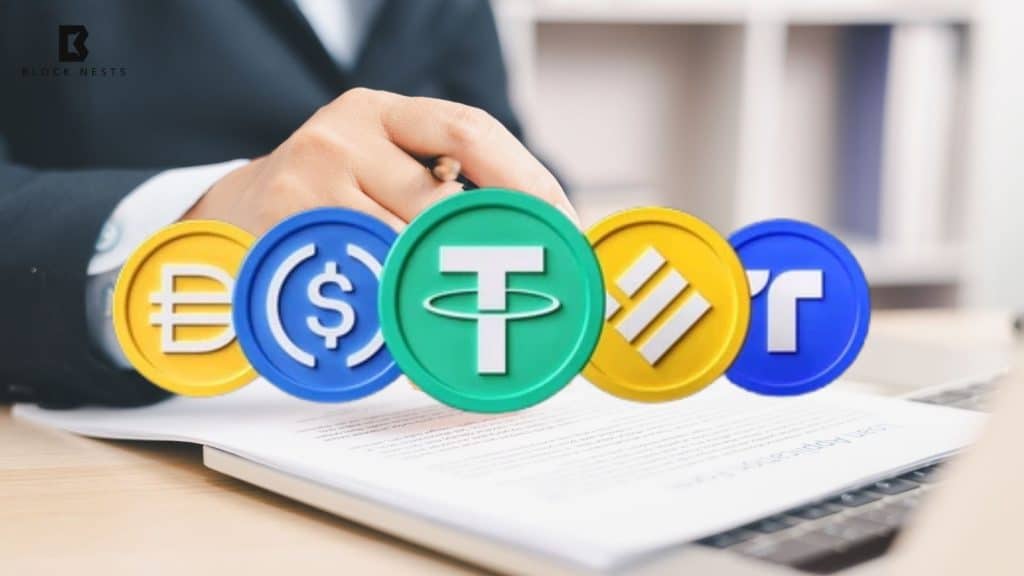
The regulators aim to curb the rapid and unregulated investment from the large companies. Consequently, the current draft of the bill has excluded stablecoins from the list of tradable assets for corporations. Stablecoins include Tether (USDT) and USD Coin (USDC). These coins dominate the global crypto transactions.
They can maintain their value in relation to the US Dollar. Moreover, the coins allow for rapid settlement of digital transactions. The regulators are concerned that their use could promote rapid investment from the large companies.
Companies Show Strong Interest in Stablecoin Use
Stablecoins are considered important instruments for international business operations by a large number of companies. Digital assets like stablecoins are known for facilitating fast international transactions at low costs. Moreover, companies can avoid currency-related risks, as the price of stablecoins is determined based on the real-time exchange rate.
Currently, due to domestic regulations, companies cannot open official accounts for the trading of digital assets. This is creating difficulties for the formal use of stablecoins for international trade payments. Some companies are seeking alternative means for international transactions.
According to industry sources, companies are using personal crypto wallets or foreign exchanges for international transactions. Individuals can use tools like MetaMask for storing and transferring digital assets. Similarly, companies can use the trading facility offered by the exchanges owned by Coinbase.
Export-oriented companies are reportedly seeking permission from the government to add stablecoins to the approved investment list. They argue that stablecoins offer efficient international payments, along with convenient hedging strategies. However, the government is still maintaining strict regulations during the initial stage of institutional investment.
Foreign Exchange Law Creates Regulatory Conflict
Legal restrictions also play a key factor in this decision. For example, in South Korea, stablecoins are not recognized as official payment tools in the country’s Foreign Exchange Transactions Act. According to this law, businesses are required to carry out payment transactions in foreign countries through designated foreign exchange banks.
Currently, stablecoins are not a part of this system. Allowing listed corporations to invest in stablecoins could indirectly allow their use in trade settlement. However, regulators are wary of legal contradictions in this case.
In fact, a bill proposing this amendment to the law and recognizing stablecoins as a payment tool has already been proposed. This bill is now under review in the National Assembly of South Korea. Until then, stablecoins are likely to be kept out of the first version of corporate trading in digital assets.
Also Read: Strategy Becomes Most Shorted Large-Cap Stock as Bitcoin Slump Fuels Bearish Bets