Skip to content



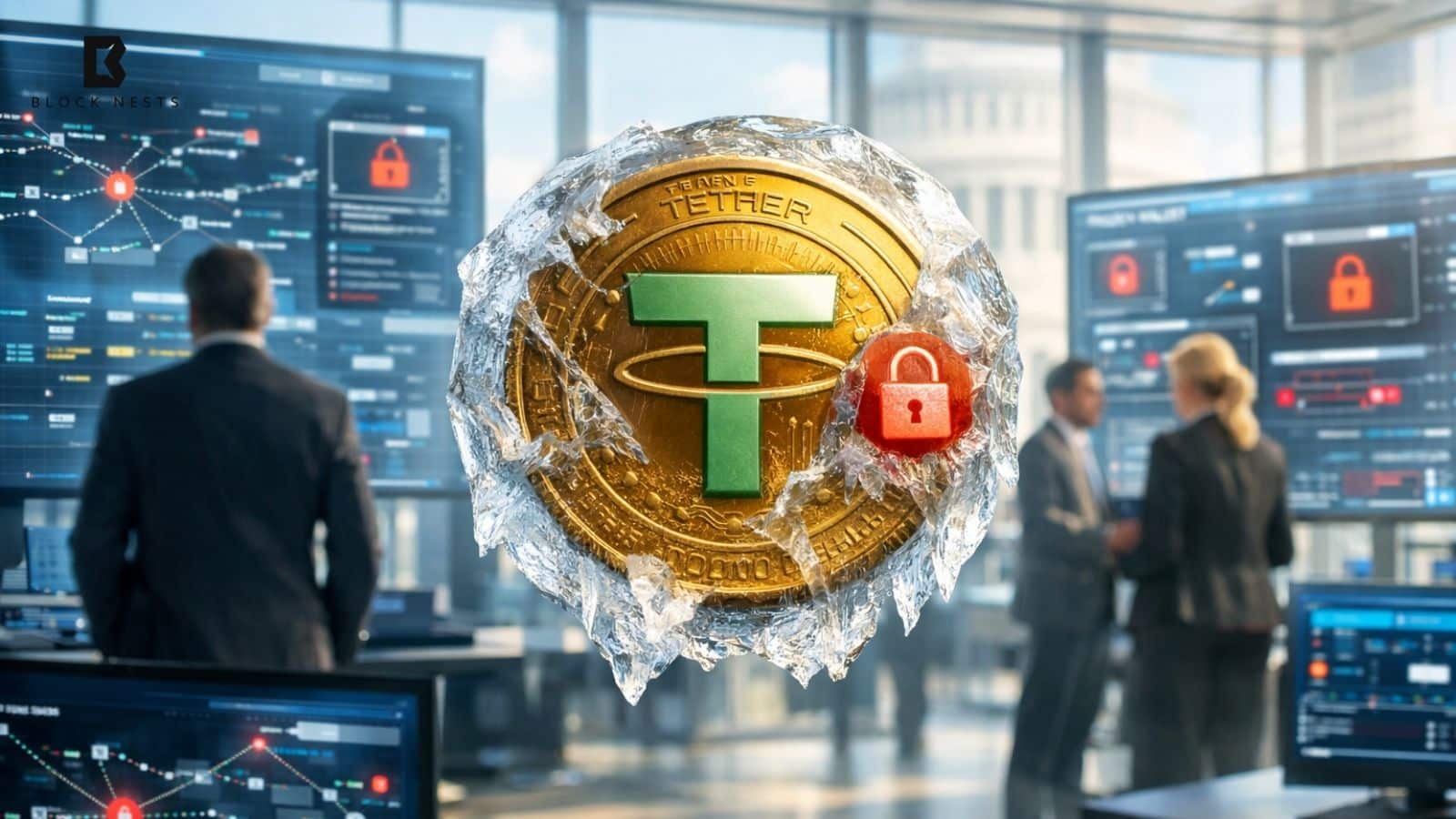
- $162 million of stolen funds remains frozen on the Sui network.
- Validators acted jointly to block fund movement without wider community approval.
- The incident raises serious concerns about Sui’s decentralization level.
On May 22, Cetus Protocol, a decentralized finance platform on the Sui blockchain, reported a massive loss of over $200 million. An attacker exploited weaknesses in the protocol to steal user funds.
SUI froze $160M from the Cetus hacker, on-chain, out of over $220M. The $60M gap was bridged to ETH.
— Duo Nine ⚡ YCC (@DU09BTC) May 22, 2025
While this is good in this case, this shows SUI network can freeze your funds on demand.
Decentralization is just marketing outside of BTC/ETH. pic.twitter.com/IO9b4h3NUq
After the attack, Cetus acknowledged that the attackers had bridged roughly $60 million of the stolen funds to the Ethereum network. However, $162 million still remains stuck on the Sui network. This freezing happened after validators on the network collaborated to lock the funds in question.
The complete information regarding the hack has not been made public yet. Cetus has been in negotiations with the Sui Foundation and the rest of the community. These negotiations seek to determine the best approach to recover the remaining frozen funds.
Sui Fund Freeze Sparks Centralization Debate
The action of validators freezing the funds has raised a big controversy in the crypto space. It has been interpreted by many as proof that the Sui network has a higher level of centralization than it purports to contain. As opposed to Ethereum, which fights the hegemony of a few entities, the validators of Sui displayed the capacity to act directly upon the movement of assets.
This feature alarms users and onlookers who anticipate decentralized finance platforms to have no central control points. Observers have contended that this development reveals a shortcoming in Sui’s network design.
While some saw freezing the funds as necessary to safeguard users, others argue that the underlying issue lies in the central authority that enabled the intervention. The critics argue that this creates a dangerous precedent regarding what blockchain governance on SUI looks like.
Cetus Considers Reward to Recover Stolen Assets
Cetus Protocol has two primary avenues at hand to address the issue. Firstly, they will put forward an on-chain vote. This vote would enable the community to vote on the release of the held funds and the terms and conditions of the release.
Such a democratic solution has the potential of restoring users’ confidence. Cetus may provide a reward to encourage the return of the stolen properties. Authorities can initiate legal recourse to recover the funds if the hacker declines to return them.
Cetus remains steadfast and vows to make any announcement about the plan of recovery after careful analysis. The group seeks to implement a simple and unified plan to fully refund the affected users.
Related Reading: Pakistan’s Bold Move: 2,000 MW Electricity Boost for Bitcoin Mining and AI Development
How would you rate your experience?