Skip to content


- Taiwan considers adding Bitcoin to foreign exchange reserves to strengthen financial security, says Ko Ju-chun.
- Ko Ju-chun brings up Bitcoin’s ability to diversify Taiwan’s reserves and lessen reliance on existing systems.
- With growing global interest, Taiwan’s Bitcoin reserve proposal sparks debate over the future of national financial policies.
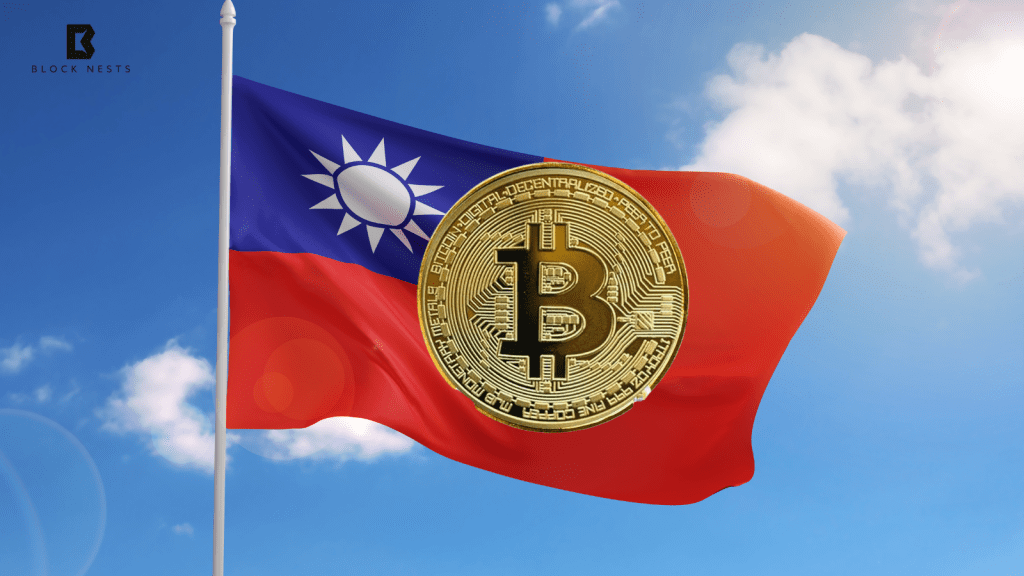
Taiwanese lawmaker Ko Ju-chun suggested adding Bitcoin to the official reserves of Taiwan. The KMT lawmaker argued that Bitcoin would help to protect Taiwan from economic instability and enhance its financial resilience. Ko noted that bitcoin is likely to coexist with gold and other currencies to increase the country’s national security and economy.
Ko said that the relevance of blockchain-based digital assets is emerging. He argues that Bitcoin can diversify Taiwan’s reserves, hence reducing dependence on conventional forms of financial systems. The lawmaker advises that if Taiwan does not adapt to digital assets quickly, it may fall behind. Bitcoin is one of the main tools of Ko’s vision for national security and economic stability.
Taiwan Legislator KO, JU-CHUN advocates for Bitcoin as part of a diversified reserve strategy at the National Conference on May 9th. Citing global risks & Bitcoin’s hedge potential, he urges Taiwan to consider it alongside gold & forex reserves to bolster financial resilience.… pic.twitter.com/KHKcHLQ2uB
— 科技立委葛如鈞 Ko Ju-Chun (@dAAAb) May 9, 2025
Taiwan’s Strategic Bitcoin Proposal
The rising interest in Bitcoin as a reserve asset illustrates the growing world attention to cryptocurrencies. A few hours prior to Ko’s statement, the people of New Hampshire elected to allow New Hampshire to invest in Bitcoin and other digital currencies. This is a change away from treating cryptocurrencies as speculative investment instruments to seeing them as strategic financial instruments.
Ko suggested that Taiwan should invest up to 5% of its $50 billion Foreign Exchange Reserves in Bitcoin. This would include digital assets, gold, and other currencies within the country’s financial portfolio. Even though the proposal is at a relatively early stage, it may provoke more discussions as to the role of Bitcoin in national economic policies.
Advocates claim that Bitcoin is not only an inflation hedge but a geopolitical shield. Its decentralized nature and constant supply make it an attractive asset to countries looking to diversify their assets. Advocates hold the view that Bitcoin can save Taiwan from currency devaluation during economic crises.
Bitcoin Volatility Concerns
However, these critics express concerns about the volatility of Bitcoin and the risks to security. They fear that the unpredictable nature of the cryptocurrency can destabilize the national reserves. Even the inclusion of Bitcoin into Taiwan’s reserves may experience significant resistance because of high price variability.
However, Ko’s proposal propels Taiwan to investigate digital assets in national finance despite these worries. As Taiwan moves under increasing geopolitical pressure, Bitcoin might become a viable financial stabilizer. Only time will show whether Taiwan will adopt this idea. Nevertheless, Ko’s proposal defies standard financial practices and creates new opportunities for the economic future of Taiwan.
How would you rate your experience?