Skip to content

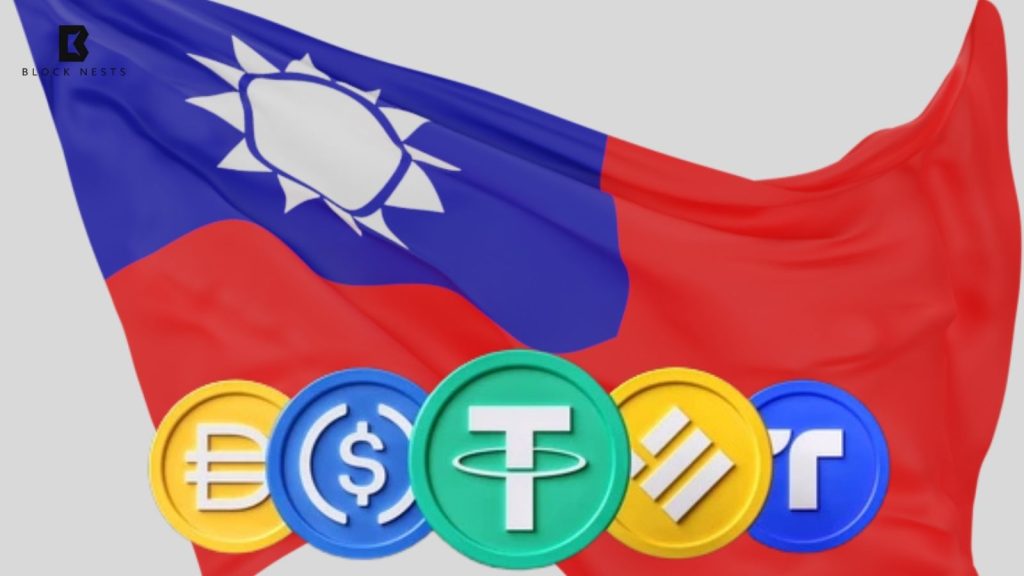

- Stablecoin launch in Taiwan is targeted for late 2026 with a regulatory framework in place.
- Taiwan’s stablecoin could be pegged to the US dollar, aligning with global payment systems.
- FSC implements strict safeguards for stablecoin, ensuring full reserve backing and security.
Taiwan is set to launch its first domestically issued stablecoin by the second half of 2026. Lawmakers are progressing with legislation to regulate digital assets. However, key decisions, such as which currency the stablecoin will be pegged to, are still pending. The draft Virtual Assets Service Act has passed initial cabinet reviews. It could pass its third reading in the next legislative session.
Peng Jin-long, chair of the Financial Supervisory Commission (FSC), confirmed that stablecoin regulations could follow six months after the Act’s approval. This timeline points to a possible launch of Taiwan’s stablecoin by late 2026. Peng emphasized a cautious approach. Financial institutions will likely lead the issuance in the early stages. The FSC is working closely with Taiwan’s central bank to shape the framework.
Stablecoin Pegged to US Dollar Could Strengthen Taiwan’s Global Position
The draft law does not restrict stablecoin issuance to banks alone. However, financial institutions are expected to dominate the initial phase. This approach allows for a controlled introduction of digital tokens into Taiwan’s financial system. The law also lays the groundwork for future digital asset regulation. It aims to establish a stable and secure environment for both issuers and investors.
One of the major issues to resolve is determining the currency that the stablecoin will be pegged to. The Taiwanese foreign exchange laws do not allow circulation of the Taiwan dollar offshore. This complicates the issuance of a stablecoin pegged to the Taiwan dollar.
A stablecoin pegged to the US dollar would solve this problem and align with the cross-border payment system globally. This type of solution would assist Taiwan in becoming a part of the global digital economy.
Also Read: Bitcoin Set to Disrupt Four-Year Cycle, Grayscale Sees New Highs in 2026
Stablecoins are also made to move value across borders in a fast and cheap manner. These characteristics would conflict with the policies of Taiwan, which is interested in keeping the local currency onshore. A stablecoin pegged to the US dollar would help to avoid these problems and simplify cross-border transactions. It might also contribute to the rise of the Taiwanese digital finance ecosystem.
FSC Implements Security Measures for Digital Token Protection
The FSC is implementing protection measures to make the stablecoin secure. The proposed measures include full reserve backing, client segregation of assets, and domestic custody. These measures aim to protect both investors and the financial system. The stablecoin will be closely monitored so that it can be operated in a safe environment.
Although the final decision has not yet been made, the selection of anchor currency will be dependent on the market demand. Peng remarked that both the US dollar and the Taiwan dollar are under consideration. The ultimate choice will be made upon consulting industry experts.
As reported earlier, Taiwan is also considering Bitcoin as a national reserve currency. Bitcoin is an asset that is being considered by the central bank and the Executive Yuan. They intend to consider pilot holdings of BTC that were captured in a criminal investigation.
BREAKING: TAIWAN'S CENTRAL BANK TO OFFICIALLY PILOT A STRATEGIC #BITCOIN RESERVE
— The Bitcoin Historian (@pete_rizzo_) November 12, 2025
THIS IS ABSOLUTELY MASSIVE 🔥 pic.twitter.com/V6Xd6uyc6p
The change comes after Taiwan tightened its grip on crypto crime. Prosecutors indicted 14 individuals in a massive crypto money-laundering case in August. Investors were defrauded to the tune of NT$2.3 billion (75 million). Law enforcement seized assets such as cash, crypto, and luxury items.
Also Read: Ripple’s RLUSD Stablecoin Secures FSRA Approval in Abu Dhabi’s ADGM
How would you rate your experience?