Skip to content


- US Treasury Secretary Bessent meets Bukele as crypto diplomacy returns globally
- El Salvador continues promoting digital assets within broader economic modernization strategy
- Bitcoin policy adjustments follow IMF loan negotiations and rising economic pressure
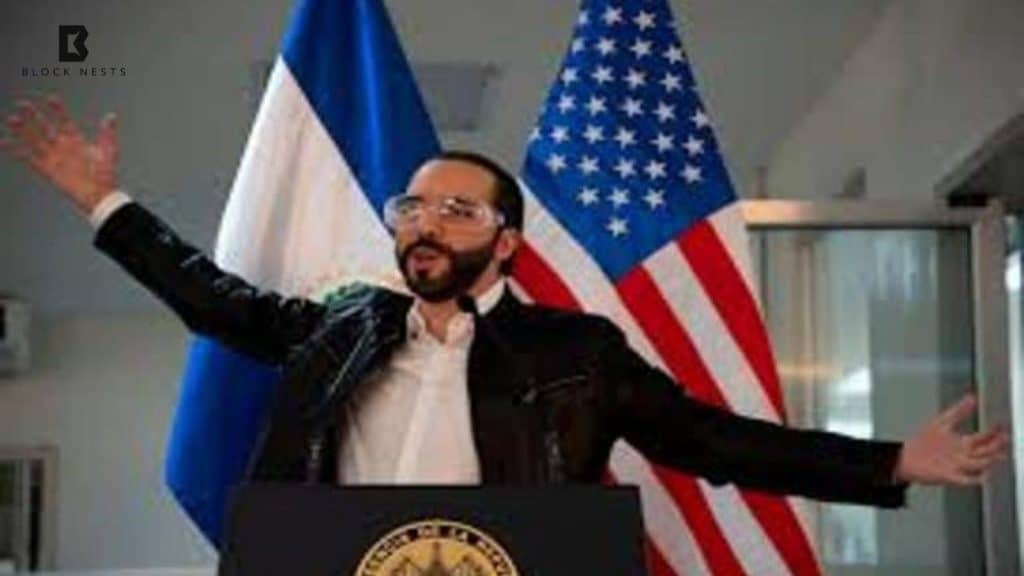
Digital assets returned to the diplomatic agenda after United States Treasury Secretary Scott Bessent met with El Salvador President Nayib Bukele during the Summit of the Americas in Miami. The leaders were convened at the top of the mountain to deliberate on the region’s economic integration, with debates also on financial innovation and cryptocurrency regulation.
El Salvador’s Crypto Strategy
President Nayib Bukele has also consistently raised the topic of cryptocurrency adoption as part of initiatives to attract technology-based investment and enhance financial innovation. As Bessent suggests, the meeting was an opportunity to learn about the pro-market reforms initiated by Bukele, as well as his plan to make El Salvador a centre of digital assets. Bessent posted the comments on X following the meeting when he explained the talk with the Salvadoran president.
Enjoyed meeting with President @nayibbukele today at @POTUS’ Shield of the Americas summit in Doral, Florida.
— Treasury Secretary Scott Bessent (@SecScottBessent) March 7, 2026
I was glad to hear more about President Bukele’s pro-market reforms for El Salvador and his efforts to make El Salvador a digital assets hub. We will continue to work… pic.twitter.com/9vzn3QPET4
He said that Bukele still pursues policies to facilitate economic liberalisation and the establishment of a digital asset framework in the country. Further, Bessent reported that the two governments will continue to cooperate in formulating plans to enhance economic links in the Western Hemisphere.
Also Read: OKX Launches Orbit Social Trading Feature to End Fake Crypto Profit Claims
In addition, the encounter points to continued diplomatic activity between Washington and San Salvador regarding financial policy and cryptocurrency-related developments. Previous communication between the representatives of the two nations was usually focused on issues raised following the adoption of Bitcoin as legal tender in El Salvador.
Bitcoin Policy Remains Central to International Debate
El Salvador was the centre of global attention throughout 2021, when the nation became the first to legalise Bitcoin in its national economy. The move sparked immediate international controversy among policymakers, economists, and other financial institutions that were observing the effect it could have on financial stability.
As such, some global entities expressed reservations about the possible economic risks associated with the policy and its long-term effects on financial systems. The warnings by institutions such as the International Monetary Fund and the key credit rating agencies about potential macroeconomic difficulties were likely to come to pass. Also, United States lawmakers proposed legislative bills to investigate the risks associated with El Salvador’s cryptocurrency approach and the possible impact on cross-border financial activity.
El Salvador Revises Bitcoin Framework During IMF Loan Talks
The economic pressure subsequently led El Salvador to revise aspects of its Bitcoin policy framework as it negotiated with international lenders. The government was struggling to address rising debt while seeking external funds to stabilise the economy.
In early 2025, officials negotiated a $1.4 billion loan with the International Monetary Fund and agreed to amend the country’s Bitcoin laws. According to the modified structure, Bitcoin is not a legal tender in the national economy, and the authorities also reduced the public sector’s direct involvement in cryptocurrency-related activities.
At the same time, surveys between 2024 and 2025 showed that domestic adoption of Bitcoin was comparatively low in the country. The Public Opinion Institute of the Jesuit Central American University was conducting a study on the level of cryptocurrency use among Salvadoran citizens.
The researchers revealed that only eight per cent of every one hundred Salvadorans said that they actively used Bitcoin to make transactions or otherwise spend money. Those numbers notwithstanding, the government continues to promote the digital asset programs as part of the broader economic development policy, with an emphasis on financial innovation.
Also Read: Russia Moves to Let Banks Launch Crypto Exchanges With Simplified License
How would you rate your experience?