Skip to content



- Crypto regulation takes center stage in Vietnam with a pilot program for secure, domestic trading systems.
- With 17 million traders, Vietnam ranks high in global crypto adoption, shifting volume from foreign exchanges.
- New pilot introduces licensing, AML laws, and plans for exchanges to offer trading in Vietnam’s dong by 2026.
Vietnam has formally unleashed a pilot initiative to control its expanding crypto market. The program announced on September 23, will lead to formal government oversight of local crypto trading. This action will focus on shifting billions in trading volume offshore to a secure and regulated domestic system.
Vietnam ranks among the top crypto adoption countries in the world. The market has over 17 million active traders whose volumes are above 100 billion annually. A considerable part of this action occurs on foreign exchanges, such as Binance and Bybit, both situated in Hong Kong and Singapore.
Vietnam Introduces Crypto Licensing and AML Rules
The new pilot introduced by the government incorporates localized licensing criteria for the exchanges. It also implements reporting standards and anti-money laundering laws. Beginning in 2026, exchanges will be obliged to provide trading in the currency, the dong of Vietnam.
This initiative comes after the Law of Digital Technology Industry was enacted in June and declared digital assets and made cryptocurrency platforms operating in the country obtain licenses. It aims to shield the investors living in the country and to encourage the inclusion of the digital currency in the Vietnamese economy.
Also Read: Chainlink’s Enterprise-Grade Stack Sets the Stage for $16 Trillion Tokenization Boom
In addition to the above control policies, the government also introduced its own blockchain, NDAChain, in July. The layer-1 blockchain will be permitted to support asset tokenization of bonds, invoices, and carbon credits. The platform will enhance transparency and will also monitor a greater number of digital transactions.
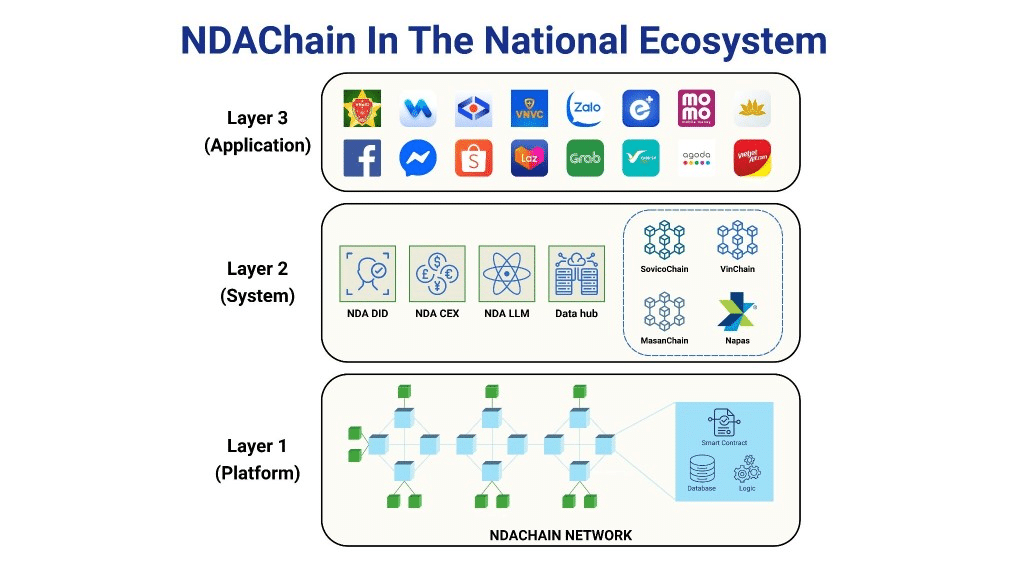
Source: NDAChain
Crypto Pilot Aims to Boost Tax Revenue and Protect Investors
Authorities are optimistic that the pilot program would enable the capture of tax revenue and cushion investors. They also want it to inculcate digital assets into conventional financial structures such as insurance and pension boards. The establishment of a controlled market will help the government spur economic growth and dependence on foreign exchange.
The pilot program will also make a new opportunity for the digital asset sector of Vietnam. It might also contribute to making the country a regional leader in crypto adoption. This approach will be employed by officials to bring about stability and foster innovation within the market.
The regulatory push in Vietnam will most probably influence developing countries to regulate their crypto market. The distinct emphasis on regulation and its internal development might provide an example that other countries can follow in order to strike a balance between innovation and protection of investors.
Also Read: XRP Stagnant Despite Ripple’s $125M SEC Settlement – What’s Really Happening?