Skip to content


- Vitalik Buterin urges rethinking DAO models for improved governance.
- DAOs need innovation to solve inefficiency, manipulation, and decision-making.
- Enhanced DAOs could transform dispute resolution, funding, and sustainability.
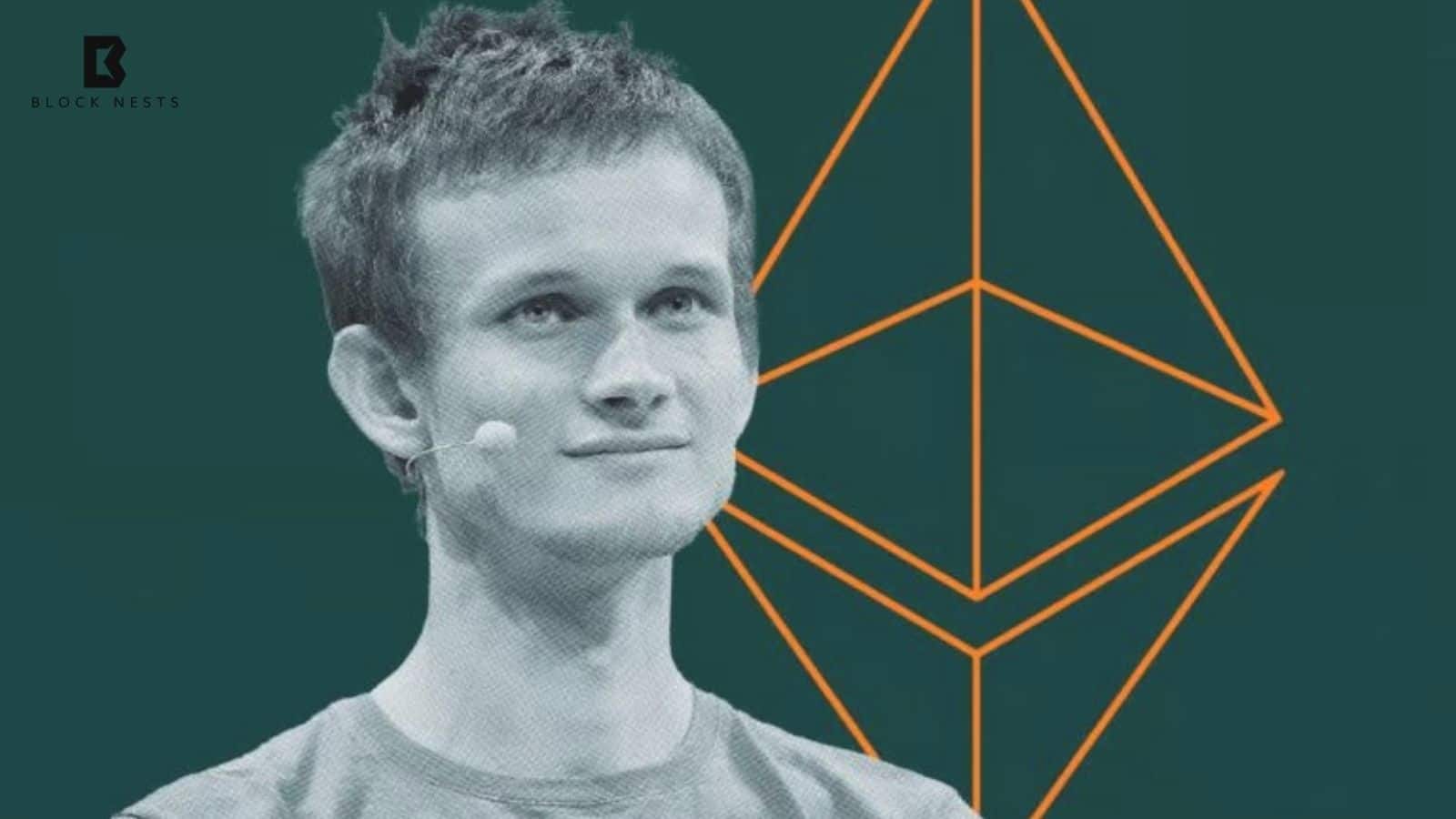
Ethereum co-founder Vitalik Buterin has voiced his concerns about the current state of decentralized autonomous organizations (DAOs). Buterin argues that, even though DAOs are essential to decentralized governance, they must evolve to overcome inefficiencies, vulnerabilities to manipulation, and poor decision-making that have been a bane in the ecosystem.
Butterin’s remarks highlight flaws in the DAO’s current system, which largely relies on token-holder voting. Although this model has received some traction, Buterin holds that it tends to be unproductive, is easily owned by large players, and thus constrains its potential. In addition, he has observed that such a framework does not address the underlying challenges in human political systems, which undermines its effectiveness.
Also Read: Ethereum Exit Queue Clears as Staking Demand Surges, Analysts Point to Tighter ETH Supply
Buterin focused on innovation in developing more robust decentralized systems. A prominent example of missing features in DAOs is the need for decentralized oracles for stablecoins, prediction markets, and decentralized finance (DeFi) apps.
Sadly, the token-based model can be easily manipulated by power players, and human-curated oracles are likely to lose their decentralized nature. Buterin noted that technical progress alone is not the key to the solution; social issues must also be addressed. He emphasized that the blockchain ecosystem needs to be more resilient by creating more robust systems.
Reimagining DAOs: New Use Cases and Enhanced Governance
Buterin suggested that DAOs could be redesigned to include other, more value-added functions, such as on-chain dispute resolution and critical data management. He also proposed that disputes arising from smart contracts, such as those in insurance, can be managed effectively by DAOs.
Also, DAOs might be tasked with maintaining essential lists, including trusted applications, canonical interfaces, and token contract addresses. These functionalities would be integrated into the overall blockchain ecosystem and may help facilitate the administration of blockchain-related resources.
We need more DAOs – but different and better DAOs.
— vitalik.eth (@VitalikButerin) January 19, 2026
The original drive to build Ethereum was heavily inspired by decentralized autonomous organizations: systems of code and rules that lived on decentralized networks that could manage resources and direct activity, more…
As Buterin believes, the DAOs may also be more flexible and decentralized in the short-term initiatives. They are native to conventional legal actors for funding projects. Besides, projects might be sustainable in the long term through the use of DAOs, even as the initial project development teams fade. Buterin emphasized that such systems must enable communities to keep on investing in projects to secure their existence and development.
Addressing Privacy and Decision Fatigue in DAOs
One of the most essential aspects of DAOs’ functioning is privacy and decision fatigue. In the absence of privacy, governance in DAOs will be a social game, potentially compromising its validity and effectiveness. Moreover, decision-making is always an activity that might cause fatigue in the participative element of decentralized governance.
Buterin suggested that the solution to these challenges should be facilitated by the use of Zero-Knowledge (ZK) proofs and Artificial Intelligence (AI). ZK technology would improve privacy in DAOs, whereas AI may help reduce decision fatigue by streamlining and scaling governance processes. Buterin, however, warned that AI must not supplant human judgment but must augment it.
As part of his action plan, Buterin encouraged projects and developers to work on more successful DAOs. He pointed out that the priority in developing any new blockchain initiative should be given to governance and oracle systems. By solving these problems, Buterin can be sure that the dilemmas of decentralized governance will be managed, and a more robust, efficient blockchain ecosystem will emerge.
Also Read: Coinbase CEO Reveals How Banks Could Win Big by Embracing Crypto Infrastructure
How would you rate your experience?