Skip to content


- Bank of England unveils regulatory framework for sterling stablecoins.
- Consultation aims to regulate systemic stablecoins and digital pound.
- Temporary holding limits proposed for stablecoin users and businesses.
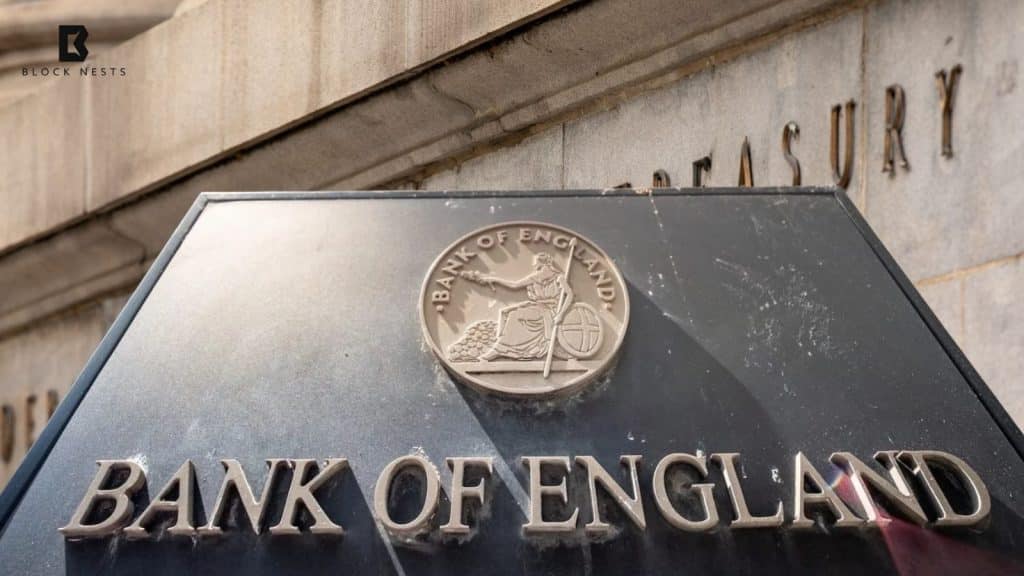
The Bank of England has launched a consultation on a proposed regulatory framework for sterling-denominated stablecoins and the potential creation of a digital pound. Published earlier this week, the consultation seeks to provide clarity on how these stablecoins could operate alongside existing payment systems for both retail and wholesale transactions in the UK.
The consultation is on stablecoins backed by sterling and that are categorized as systemic by HM Treasury. These stablecoins, intended for deployment in large quantities in the UK, will be regulated by the Bank of England to mitigate risks related to financial stability. Meanwhile, consumer protection and regulation of conduct will be done by the Financial Conduct Authority (FCA).
Stablecoins such as USDT and USDC, which are not sterling-backed and primarily used for crypto trading, will remain under the FCA’s supervision, as the new framework targets only domestic, sterling-backed digital currencies.
Also Read: Italy’s Leading Banks Endorse ECB’s Digital Euro Plan, Call for Balanced Implementation
Key Features of the Proposed Framework
The main characteristic of the proposed regulations is the regulation of stablecoin reserves. Systemic stablecoin issuers would have the right to hold up to 60 percent of their reserves in short-term UK government debt, with the remainder in unremunerated accounts at the Bank of England. This ensures that it can redeem itself and earn people’s trust in the stablecoin.
Issuers passing through the FCA regime could initially retain up to 95% of their assets as government debt, which aids their viability in the early stages. The Bank of England is also considering liquidity backstops to provide stability in the event of market stress.
The Bank of England also suggested placing temporary holding restrictions on stablecoins to mitigate the risk of massive withdrawals into digital money. People would be limited to £20,000 ($26,350), whereas companies would be limited to £10 million ($13.2 million). These caps may be modified once the market stabilizes, and exemptions may be granted to large companies engaged in wholesale settlement.
Consultation and Future Plans for Stablecoin Regulation
The consultation will be open until February 2026. The feedback will be collected by the Bank of England and the FCA during this period. They will publish a cooperative approach document in the latter part of next year to outline the guidelines and provide guidance on how to implement them.
These proposals aim to strike a balance between innovation and financial stability, providing a solid foundation for the future integration of digital currencies into the UK’s economic system.
Also Read: Gold Set for Massive Surge as Robert Kiyosaki Predicts Unprecedented Market Shift
How would you rate your experience?