Skip to content

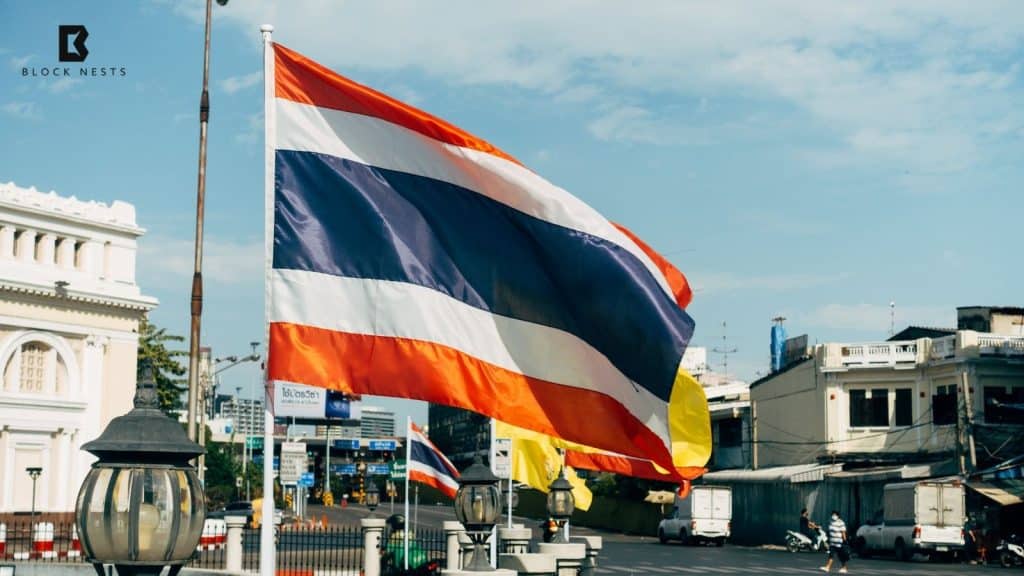

- Thailand increases USDT scrutiny amid concerns over illicit transactions.
- Prime Minister’s directive tightens controls on digital assets in Thailand.
- Tether’s USDT plays major role in Venezuela’s bypass of sanctions.
According to a report by The Nation, the Bank of Thailand is intensifying its scrutiny of USDT (Tether) transactions as part of a broader effort to curb illicit financial flows, commonly referred to as “grey money.” Governor Vitai Ratanakorn disclosed that Thai sites offering USDT have about 40 percent of their sellers as foreign companies, which are reportedly operating in violation of local laws. The change represents a significant step for the central bank, and stablecoin transactions, along with cash flows, gold trade, and e-wallet operations, are now under closer scrutiny.
Although the activities of stablecoins constitute a relatively small part of the Thai cryptocurrency market, they are now under increased scrutiny. The daily trading of digital currencies like USDT is approximately 2.8 billion baht, which is significantly lower than the average of 10-15 billion baht in Thailand’s foreign exchange market. The Bank of Thailand officials, however, noted that the market size does not diminish the significance of the market in monitoring possible grey money operations, which may pose a threat to the economy’s stability.
Also Read: Coinbase Signals Possible Withdrawal of Support for US Crypto Market Structure Bill
This was due to a directive issued by Prime Minister Anutin Charnvirakul, which instructs the governor to take more stringent measures regarding digital assets, including increased reporting and wallet identification regulations. This order is consistent with a multi-agency initiative, which entails the central bank, the Revenue Department, and other regulatory authorities monitoring unusual financial transactions.
Thailand Steps Up Enforcement with Broader Regulatory Push
This new development in Thailand coincides with the rapid global growth of stablecoins. The USDT by Tether still commands a dominant market share of the stablecoin market, with a total supply of approximately 64 percent of the total stablecoin market, which exceeds 292 billion. Nonetheless, there has also been a significant increase in illicit transactions, coinciding with the growth in the use of stablecoins. Chainalysis data indicate that in 2025, stablecoins accounted for 84 percent of the volume of illegal cryptocurrency transactions, totaling an estimated $154 billion.
The controversy surrounding the stablecoin has not yet ended, even though Tether has taken an active step by freezing more than $ 3 billion worth of USDT to combat illegal usage. In Venezuela, Tether has been reported to have a significant presence in the country’s economy, with state-owned enterprises reportedly using Tether as a means of evading U.S. sanctions. An estimate suggests that nearly 80 percent of Venezuela’s oil exports are received in stablecoins, such as USDT.
The Global Debate Over Stablecoin Regulation
Since Tether, as well as other issuers of stablecoins such as USDC by Circle, are under increased scrutiny, Thailand’s strategy reflects a growing international concern over the use of digital currencies in criminal activities. As the number of stablecoins keeps growing, it is reasonable to assume that the problem of controlling them and stopping their abuse is going to grow even stronger in the years to come.
Also Read: UK Lawmakers Push to Block Crypto Donations Over Foreign Influence Fears
How would you rate your experience?