Skip to content


- The dollar supply grows by 7% annually, acting as a hidden tax that erodes the savings of those who do not own hard assets.
- Within ten years, a billion robots will handle most labor, making human work less valuable while driving an explosion in global productivity.
- To survive inflation and automation, wealth must be moved into “trophy” assets and digital capital like Bitcoin that cannot be copied or printed.
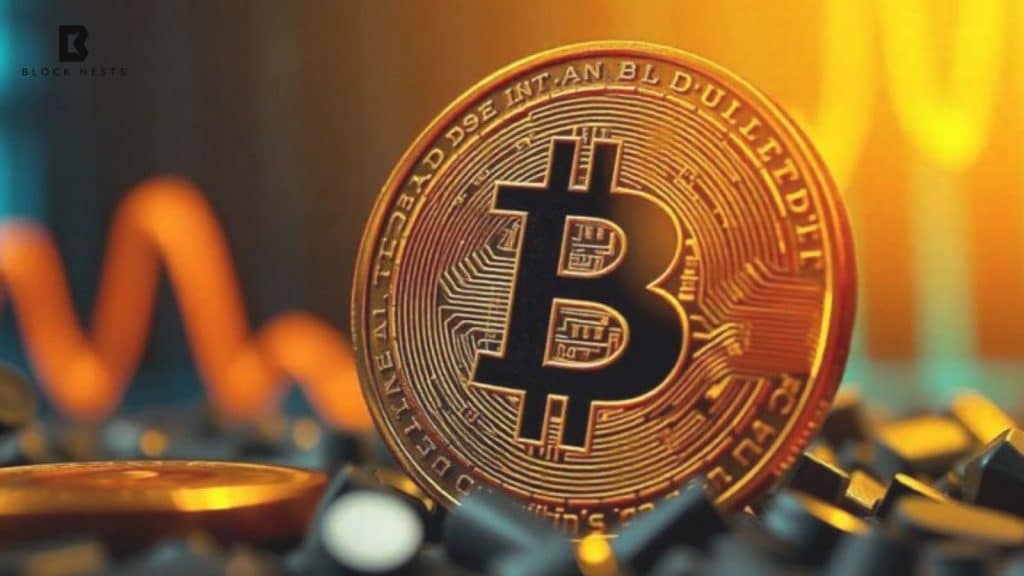
The financial landscape is shifting as the definition of wealth is rewritten. Investor Michael Saylor notes that with the US dollar supply expanding by 7% annually for over a century, Bitcoin has emerged as the essential digital solution for preserving value.
Michael Saylor: Bitcoin Is the Highest Form of Capital Ever Discovered
— Wu Blockchain (@WuBlockchain) May 13, 2026
In a May 1 interview with Peter McCormack, Strategy founder Michael Saylor @saylor said Bitcoin is the "highest form of capital" humanity has ever discovered – digital capital and a digital expression of… pic.twitter.com/g5GBMAPmsP
While this printing funds government initiatives and global wars, it also diminishes the value of the currency in your wallet. If the money supply increases by 7% annually, it raises the “barrier” to survival. Unless your income or savings grow faster than this expansion, you essentially grow poorer.
Saylor argues that money debasement hurts those who depend on their labor or “human capital.” Though we may view this as a modern crisis, the trend has repeated throughout history, dating back to ancient times. Ultimately, this creates an ever-increasing disparity between those holding “scarce” property versus cash money.
Bitcoin and the Great Labor Demonetization
As the dollar rules over a hierarchical currency system built on shaky foundations, the middle class in Western countries finds itself under pressure from a structure that devalues work and incentivizes possession. We are entering into a period spanning a decade during which everything is going to be changed.
According to Saylor, we are going to experience unprecedented prosperity fueled by the appearance of a billion bots, both physical and “white-collar” bots, which will take on most of the work traditionally performed by humans. Despite the apparent optimism behind this prediction, there is one thing to worry about: “demonetization of human capital.”
Once a machine takes over the job of a person at virtually no cost, his skills become worthless. It is critical for anyone to make sure they are not in the way of automation. The future promises us increased productivity, but it will benefit the owners of the platforms and real estate.
The Imperative of Non-Producible Assets
Where should one look then? Saylor argues that the answer lies in owning non-reproducible assets, such as “trophy” real estate, priceless art, or Bitcoin—the pinnacle of capital discovered to date. Unlike commodities, which robots can manufacture in bulk, Bitcoin represents limited property in the digital world.
With the reduction in costs related to anything ranging from legal counsel to manufacturing, the price of unique assets can only continue to rise. The task for the coming decade remains straightforward: exchange your weakening currency and depreciating labor for assets that the elite will still covet ten years from now.
How would you rate your experience?