Skip to content


- Bitcoin reserve bill gains support from Governor Abbott, aiming to position Texas as a crypto hub.
- Texas joins a growing number of states pushing for Bitcoin reserves, following New Hampshire and Arizona’s moves.
- Federal efforts to regulate digital assets continue, with Bitcoin reserves on hold as stablecoin regulation takes priority.
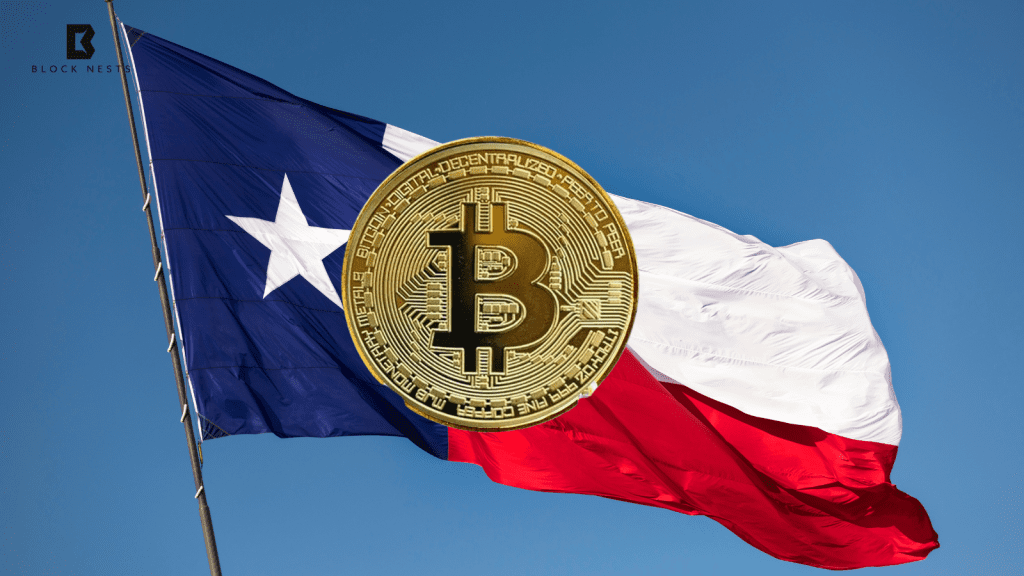
The outlook for Bitcoin in Texas is positive, since Governor Abbott supports a bill passed by the state House of Representatives for a strategic cryptocurrency reserve. On May 23, Abbott posted on X, stating that he supports the newly passed SB 21 bill, which now requires his final approval. If it is signed, the bill would make Texas a major center for cryptocurrency and help launch future state-owned reserves for digital assets.
Abbott has given his support to cryptocurrency legislation from the start of his time in office. In 2021, he showed support for cryptocurrency laws and suggested making Texas a hub for crypto. Abbott has constantly encouraged digital asset growth, and his approval of SB 21 continues this commitment. By passing the bill, Abbott has taken a step toward making Texas a main center for crypto innovation.
In addition, different countries are starting to build up their Bitcoin reserves. On May 6, Governor Kelly Ayotte of New Hampshire made her state the first to legalize a Bitcoin reserve law. After that, Arizona also passed legislation that allowed it to hold control over unclaimed cryptocurrency. While some states have passed laws, others have yet to decide how to respond. About half of the U.S. states are still considering establishing their own Bitcoin reserves.
Bitcoin Reserve Impact
The Texas Bitcoin reserve bill drew attention from people across the state following its approval in the House. If this legislation becomes law, it would significantly affect the economy of the state as well as its importance in the national crypto industry. There are states that have turned down the concept, but Texas intends to push on with its approach. It shows that Texas is strongly backing cryptocurrencies because they can help the state’s growth and economy.
At the federal government level, initiatives to control digital assets are happening. In March, President Donald Trump issued an executive order establishing plans for the Strategic Bitcoin Reserve and Digital Asset Stockpile. But Congress has not yet written this order into law. Senator Cynthia Lummis is a major supporter of federal rules for crypto and the BITCOIN Act works to improve how digital assets are regulated.
With Bitcoin reserve debates still ongoing, the outcome is hard to predict. Over the coming weeks, regulating payment stablecoins is likely to be a main focus for the Senate. As a result, talk about Bitcoin reserves may have to take a step back for a while. Even so, Texas is leading the discussion and has a key part in molding future rules for cryptocurrencies.
How would you rate your experience?