Skip to content


- Vitalik Buterin warns that single-ID systems like World could harm online pseudonymity.
- He supports a diverse, decentralized approach to digital identity.
- ZK technology helps protect data but may still centralize user identities.
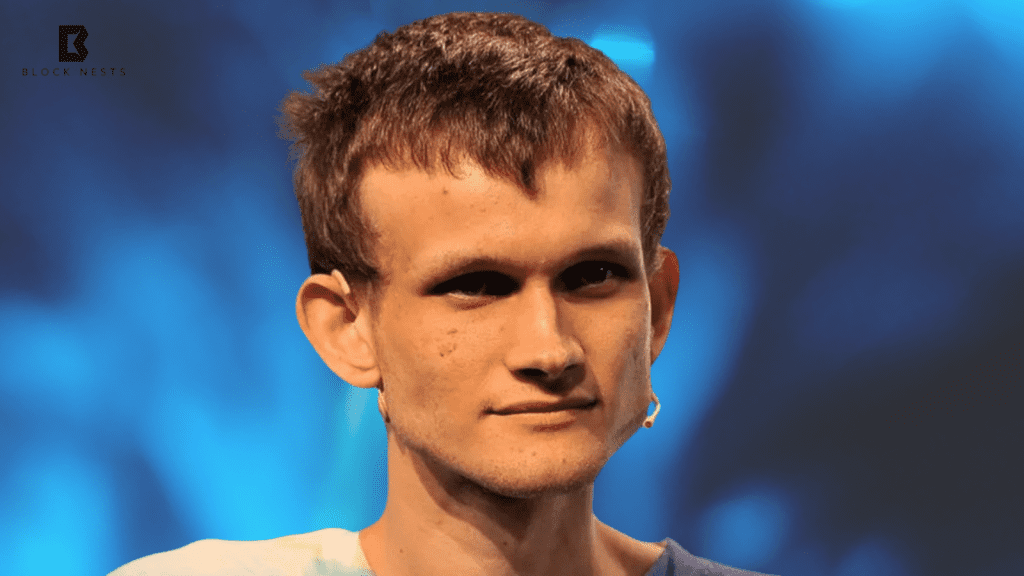
Vitalik Buterin, co-founder of Ethereum, has raised fresh concerns about digital identity systems like World. The project, backed by Sam Altman, uses zero-knowledge proofs and biometric scans to issue a digital ID. Buterin argues that this approach may put online pseudonymity at serious risk.
.@VitalikButerin just published a deep blog on ZK + digital ID.https://t.co/GTILSS8RLN
— KILT Protocol ✈️ @EthCC🇫🇷🏖️ (@Kiltprotocol) June 29, 2025
Main points:
Even with zero-knowledge proofs, identity systems can backfire.
💥 Privacy lost
💥 Pseudonymity gone
💥 Coercion risk high
The solution? Pluralistic Identity
Here’s how… https://t.co/Nn2biA0seQ pic.twitter.com/DYF4nKV6ic
His primary concern is that linking each user activity to a single identity, even with powerful encryption, can cause a crisis in a world where obscurity should be abolished. The world, which was formerly known as Woldcijin, already admits more than 13 million signatures. Users receive a World ID and crypto token in exchange for scanning their iris.
Although the procedure uses advanced cryptography to hide user details, Buterin believes that this does not stop the platforms from connecting the activities with a single person. In cryptocurrency and extensive Internet, this connection can ticket users to monitoring or even physical risk.
Buterin Says Identity Limits May Backfire
None knowledge certificates are considered a solution aimed at privacy. Users can confirm information, such as being human, without disclosing their identity. Projects such as the World Wide Web should be used to combat bots and counterfeit accounts online.
Yet, Buterin gave a caution that even this privacy approach may not prevent tracking of real-world identity if it is paired with strict ID to person systems. According to this model, users cannot create more than one account on each platform.
This restricts the present liberty to govern distinct identities for different services. Though the information remains concealed, However, the formation can still be minimized later on. In simple language, Users can be trapped in a solitary digital disguise. But Buterin admits to some advantages.
AI Identity Growth Raises Privacy Concerns
These systems can easily differentiate between humans and AI agents, especially when artificial identity becomes common. Despite this, he argues that the exchange rates are high between privacy and user freedom. Instead of a route in the future, he supports many digital identity alternative systems.
Buterin proposed solutions are many. He wants a system in which no identity-issuing organization controls or is controlled by any single group. This approach allows people to create different identities on different platforms or for different purposes. This will still support pseudonymity and maintain the verification that users are real.
World has received backlash from privacy experts in the past. But it is still growing and is now available in new countries, including Japan, where it is now integrated with Tinder Swindler. As these systems become more widespread, Buterin’s warning serves as a reminder that technology alone does not shield your privacy—the laws and models associated with that technology are of equal importance.
Related Reading: Bitcoin Bulls Back in Control: Can the $110K Rally Happen Soon?
How would you rate your experience?