Skip to content

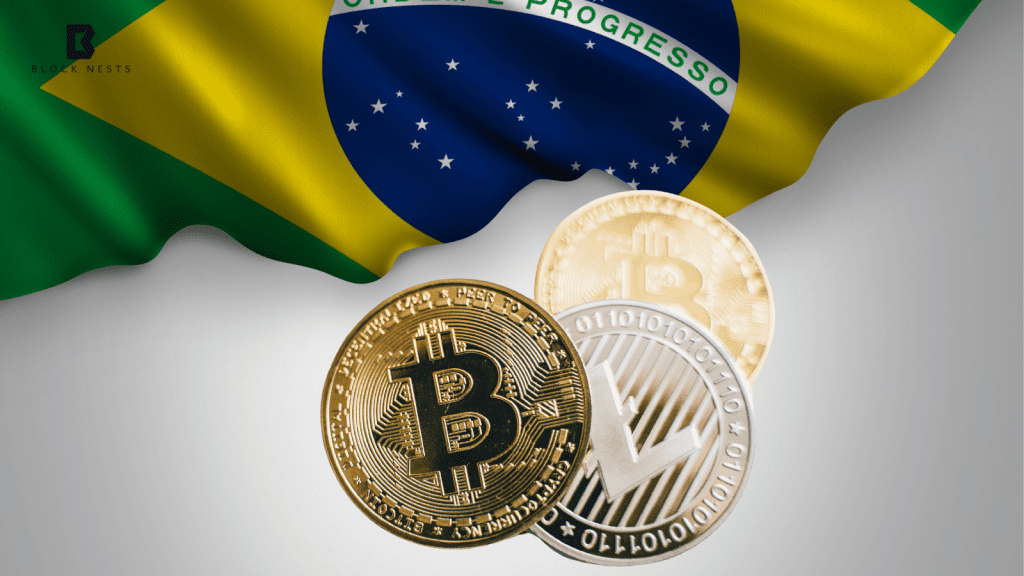

- Brazil has removed previous crypto tax exemptions and introduced a flat 17.5% tax on all crypto gains.
- The new rules apply to both domestic and foreign-held digital assets, including those in self-custody.
- Quarterly tax reports will be required, and traders may deduct losses to offset gains.
The Brazilian government has reshaped its approach to taxing digital assets. A new Provisional Measure was published on June 11. It introduces sweeping changes to how crypto earnings are handled under tax law.
The flat tax rate is now applied on all income made from cryptocurrencies at the rate of 17.5%, irrespective of whether they are stored on exchanges or in personal wallets. Previously the tax law had a graded structure. Small investors could remain tax-free unless their gains exceeded 35,000 reais.
The tax packages dealing with those who had the most profitable businesses were graduated or flat, according to volume. And now that approach is abandoned. The new regulations do not mean that you will always pay the same share of your income no matter if it is from a digital assets revenue system.
Foreign-Held Crypto Now Taxable in Brazil
One of the more notable changes includes allowing foreigners to hold cryptocurrencies and introducing wallets for self-custody. The government tax rules no longer confine themselves to assets stored in local exchange systems.
Every virtual asset, whether one keeps it offshore or in his digital wallet, is regulated under the new rule. This move signifies an attempt to incorporate decentralized finance into Brazil’s regulatory scope.
Although there is not a well-documented way of how online authorities plan to trace or enforce taxes on peer-to-peer or wallet-based transactions. It may be harder to get an advice on DeFi and personal wallets in Brazil but it seems that they are ready to consider these as taxable just like the traditional investments.
Quarterly Reporting and Political Motives
The tax will be calculated per quarter. Investors can inform them of their gains and deduct any prior losses. This way is a bit flexible but also makes users have a regular reporting burden. It encourages people who use it to keep an eye on their activity closely.
The measure also comes in a period of discussion about the tax on financial transactions in Brazil. The legislators have been seeking new pockets. With cryptocurrencies under regulation, the government hopes to put an end to the evasion and receive money from this steadily growing class of assets.
The mentioned changes can alter the landscape of digital finance in Brazil and it will be a call for action on all those investors who enjoyed self-custody assets due to privacy or tax benefits. Now, however, these things could no longer be taken for granted. The directive highlights the increasing effort by Brazil to regulate cryptocurrencies. With the expansion of new financial technologies, it seems like they are committed not only to popularity but also their contribution into the national coffers system
Related Reading: Bitcoin Balance Sheet Boom ‘Overhyped,’ Warns Galaxy CEO Mike Novogratz
How would you rate your experience?