Skip to content


- Listed firms and professional investors gain limited access to crypto markets.
- The policy may unlock large pools of idle corporate capital.
- Critics warn that strict caps could weaken global competitiveness.
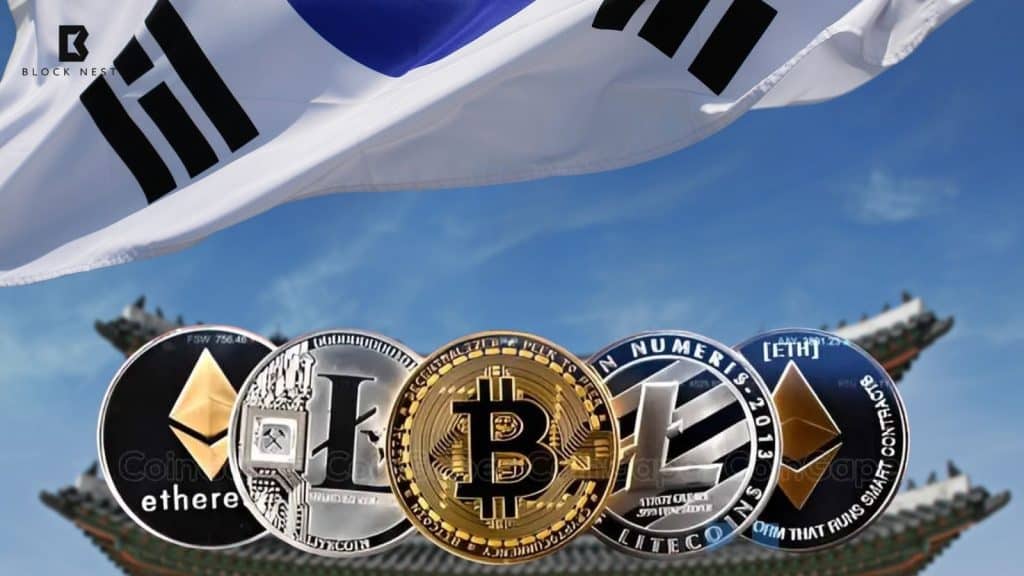
South Korea has taken a major step toward formal crypto adoption. According to a recent report, the Financial Services Commission has finalized guidelines that allow listed companies and professional investors to invest in digital assets.
The South Korean government is officially overturning its 2017 restriction on institutional crypto participation.
— Conor Kenny (@conorfkenny) January 12, 2026
Starting in early 2026, listed companies and professional investment firms will be permitted to trade digital assets for the first time in nearly a decade.… pic.twitter.com/Usjman3VNV
However, the guidelines set a ceiling of 5% for investment in top cryptocurrencies. The development brings an end to a nine-year ban that had barred institutions from engaging in the market. The development is seen as linked to the Economic Growth Strategy for 2026.
This plan also includes the regulation of stablecoins and spot crypto exchange-traded funds. The new system has established clear boundaries. Only the top twenty cryptocurrencies by market value will the entities be able to invest in. The cryptocurrencies that they will invest in are the ones that are listed on the five licensed exchanges of Korea.
Korea Sets Strict Rules for Corporate Crypto Access
About three thousand five hundred entities fall under the rules. These entities include publicly listed companies and professional investment firms. The cap was set to minimize the risk of market volatility. Exchanges are required to implement rules on staggered execution.
They must also regulate the size of orders to ensure that there are no market shocks. There is also debate over how to treat dollar-pegged stable coins. Such assets as USDT are under review. Final guidance on this issue is likely to come later in the year.
The move is the first approval for business-related crypto operations since 2017. A ban had been enforced by the authorities due to large price fluctuations and money laundering concerns. This ban had a major impact on the local market. Trading is now dominated by retail traders.
Many investors transferred money abroad. Outgoing capital reached seventy-six trillion won, which equals fifty-two billion dollars. Global comparisons show the difference. In the United States, institutions drive trading volume.
Korea Faces Pressure to Ease Crypto Investment Limits
For Coinbase, they represented over eighty percent of trading volume in the first half of twenty twenty-four. Experts forecast that this change in policy will help in rebalancing representation. There is also growing support for a won-based stablecoin and Bitcoin ETFs.
However, industry players are welcoming of this development but question the restrictions that come with it. For example, they feel that five percent is still quite conservative when it comes to the ceiling that is set. Countries such as America, Japan, Hong Kong, and the EU do not have such restrictions in place.
It may also prevent the development of digital asset treasury companies. Digital asset treasury companies rely on their holdings of cryptocurrencies to strengthen their balance sheet. Japan already has companies that use the model. Industry players have warned that a lack of balanced regulation may affect the competitiveness of the nation.
They emphasize the rapid development of international crypto-exchange markets. Korea must now keep up with this speed and mitigate risks. lawmakers will be closely watching developments in flows, risk management, and accounting standards as companies enter this new market, seeking innovation, stability, and international consistency in the coming months.
Related Reading: Bitcoin Nears 21 Million Cap as Miners Prepare for a Fee-Driven Future
How would you rate your experience?