Skip to content

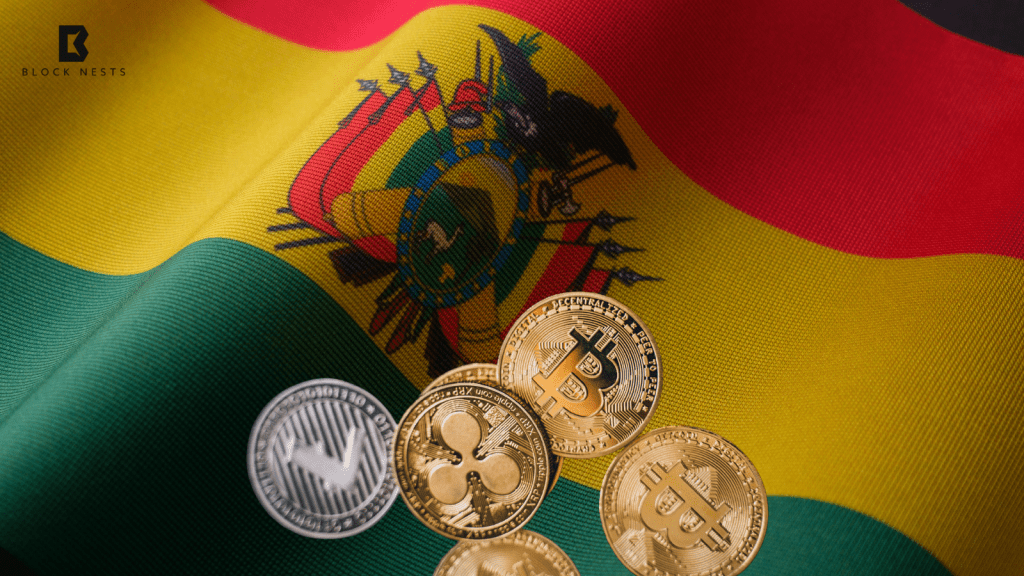

- Virtual asset volumes in Bolivia rose by over 600% in early 2025.
- Cryptocurrency transactions surged twelvefold compared to last year.
- The shift follows Bolivia’s eased stance on digital assets since June 2024.
Virtual assets gained major traction in Bolivia during the first half of 2025. According to the latest data from the Central Bank of Bolivia, crypto usage has increased more than six times compared to the same period in 2024. Citizens completed over 10,000 transactions involving digital assets. This marks a twelvefold jump in activity.
BREAKING: 🇧🇴 BOLIVIA'S CENTRAL BANK PUSHES FOR #BITCOIN PAYMENTS, WITH USAGE SOARING 630%! 🚀💸 pic.twitter.com/NKuG1qJ4m9
— Javier | IA y Crypto (@IaPersonal45763) June 28, 2025
The volume of transactions increased from $46.5 million to almost $294 million. Since June 2023, the total volume has reached $430 million. These figures show a change in public behavior regarding digital financial equipment. Now people seem to be more comfortable using virtual money for payment, savings, and cross-border requirements.
Increase also comes when Bolivia is facing limited access to US dollars. With little money being put into circulation in the local market, many Bolivians now find digital options to handle remittance and purchases.
Bolivia Eases Crypto Use Rules
Bolivia’s financial policy on cryptocurrency has changed dramatically in the last year. By June 2024, the central bank released restrictions to use virtual assets along with its official payment system. This decision led to a wave of new activities. Allowing digital assets to exist with conventional payments in Bolivia.
Room was provided for innovation. Micro and small business owners especially benefited. They could efficiently accept crypto payments or transfer funds. The attraction was increased with lower transaction costs and rapid processing time. The central bank is now connected to the friendly stablecoin. This is because it falls under a larger policy set by them.
The objective is to create an environment where people are able to move their money from one place to another without any issues and with more accessible options. With the implementation of these measures, stablecoins have become a preferred choice for many people. These are digital tokens that represent values of currencies such as the US dollar.
Dollar Shortage Sparks Crypto Surge
The increase in cryptocurrency usage corresponds with Bolivia’s continuing currency crisis. President Luis Arce recently accepted that the government cannot fulfill all market demands for dollars. More accessible security stimulates fuel imports and obligations to pay off debts.
This deficiency affects companies and individuals together. People are looking for someone else if there is no continuous access to the difficult currency. Stablecoins often provide useful alternatives, especially when connected to USD. That requirement feeds more in turn uses of virtual properties.
Yet Bolivia is still walking on a brittle edge. In May, it prohibited the national oil company from using stablecoins to purchase foreign fuels. The objective was to prevent distortion of exchange rates. Even with this restriction, the general tendency is obvious, and Cryptocurrency is becoming central to Bolivia’s financial scenery.
Related Reading: Bitcoin Bulls Back in Control: Can the $110K Rally Happen Soon?
How would you rate your experience?