Skip to content



- North Korean developers secretly earned over $16.5 million this year by working as fake freelancers.
- U.S.-based crypto exchanges were used to clean the money earned from these operations.
- A major OTC scam also rocked the crypto space, tricking investors with fake token deals.
A new investigation has exposed how North Korean freelancers have quietly earned millions by working in disguise. Posing as remote developers, these individuals targeted both traditional tech and crypto firms. They pretended to be from different countries, often using fake identities.
1/ My recent investigation uncovered more than $16.58M in payments since January 1, 2025 or $2.76M per month has been sent to North Korean IT workers hired as developers at various projects & companies.
— ZachXBT (@zachxbt) July 2, 2025
To put this in perspective payments range from $3K-8K per month meaning… pic.twitter.com/pjHZG9wJ4r
As early as the beginning part of this year alone, they reportedly collected a sum exceeding $16.5 million. These laborers sent the proceeds through U.S.-based crypto exchanges including Coinbase and Robinhood. Each developer took home anywhere between $3,000 and $8,000. Based on such amounts, an estimate is that as many as 920 North Koreans took part.
The activity impacted not only crypto businesses. Numerous traditional software businesses employed these fake laborers unknowingly. These were paid in fiat or crypto. When paid in crypto, tracing became easier. But while fiat was paid in, tracing the money became almost impossible.
These workers could readily convert fiat into crypto through the services of fintechs and neobanks. This only simplified the whole process further. Experts say that the majority of these companies hired them because they were cheap. Lower pay resulted in companies overlooking warning indicators. These programmers then sent the proceeds back to North Korea, most likely for the purpose of financing the country’s larger agenda.
U.S. Exchanges at the Center of Laundering
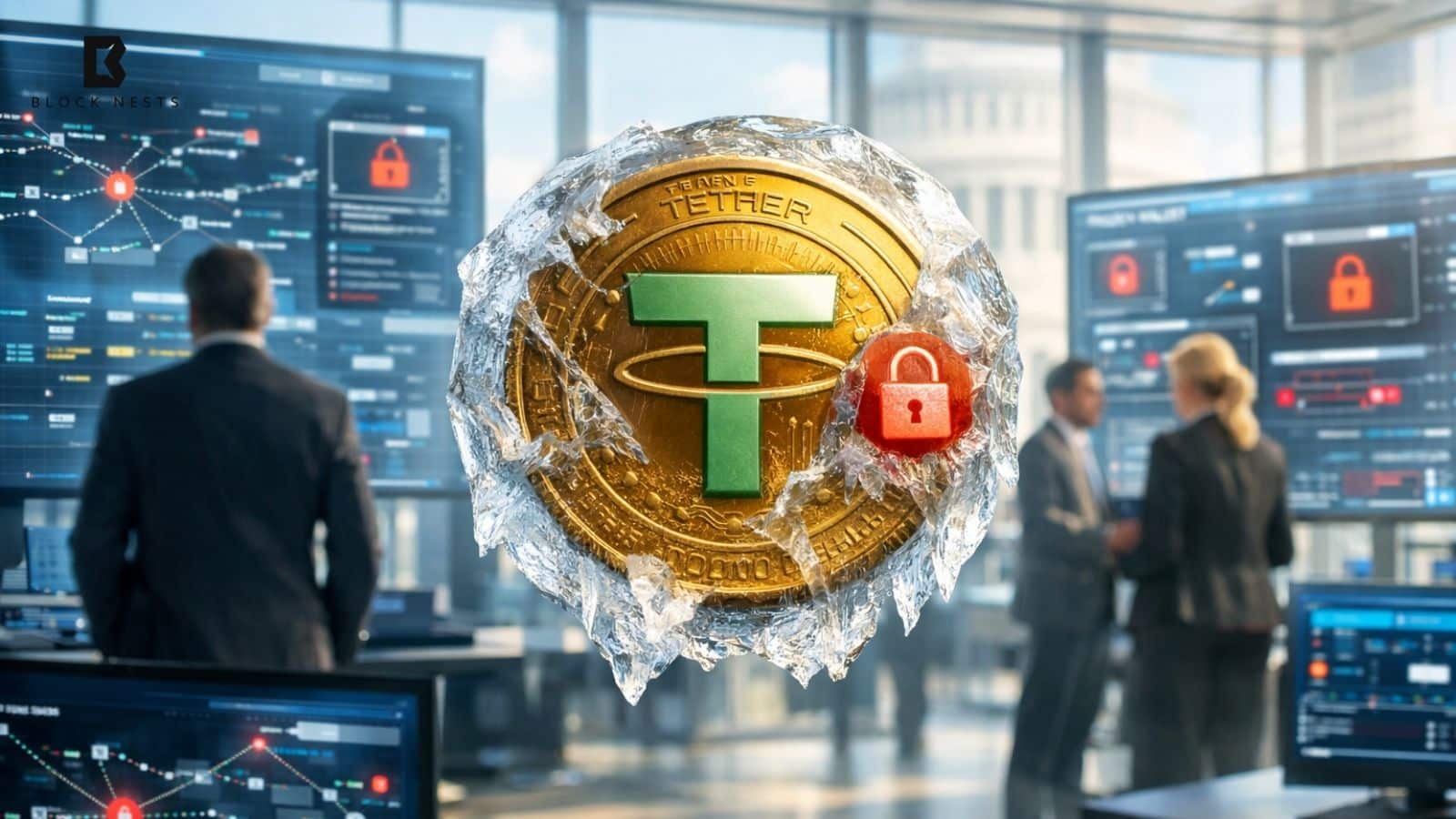
An extraordinary detail in the report is the method by which North Korean labor used U.S.-supported sites to launder money. Before, Binance became the website of choice. But with enhanced detection measures in place, they moved to sites that were not quite that closely monitored.
Despite having tight regulations in place, platforms like Robinhood, Coinbase, and MEXC are currently in use. This raises questions regarding the Know-Your-Customer (KYC) and the Anti-Money Laundering (AML) requirements in the U.S.
The report shows the sites are maybe not as inflexible as everyone assumes. Even with a system of checks in place, there were a lot of accounts that slid under the radar. That left millions in crypto gains to flow openly with no warning.
OTC Token Scam Shocks Crypto Investors
As the developer scam played out in the background quietly, the crypto space took yet another big hit. In past few days, a huge over-the-counter (OTC) token sale scam emerged a while back. It started with actual token shipments at discounted prices. This created credibility within groups on Telegram.
🥵 $𝟓𝟎𝐌 𝐂𝐫𝐲𝐩𝐭𝐨 𝐎𝐓𝐂 𝐒𝐜𝐚𝐦 𝐄𝐱𝐩𝐨𝐬𝐞𝐝.
— Altcoin Alpha (@AltcoinAlphaOnX) June 20, 2025
🧵A massive OTC Scam involving SUI, Near, Axelar, Sei, and more just got exposed but no TG Channel or CT is talking about it. Jaw-dropping details! 👇$GRASS $APT $ZRO $BEAM $IMX $BERA pic.twitter.com/aQS08poZvc
Influencers and deep pockets invested big time. Many other investors joined in. From February to June, the scheme grew. SUI, NEAR, and Axelar coins were available at steep discounts. And then in June, the entire thing collapsed. Distributions were terminated.
The lead VC firm, Aza Ventures, took responsibility for having been fleeced. Their lead dealer, “Source 1,” had been buying off old investors with the money from new ones. What seemed to be a once-in-a-lifetime deal turned out to be a classic Ponzi scheme.
American crypto exchanges may experience increased regulations in the future since there are calls for enhanced security verification by the regulatory authorities. Coinbase and other exchanges like Robinhood can enhance KYC and AML measures to avert exploitation by spurious freelancers.
Related Reading: Bitcoin at $106,463: Will the Downward Momentum Continue or Rebound?
How would you rate your experience?