Skip to content


- Hong Kong to launch a tokenized bond platform in 2026, shifting from pilots to full deployment.
- CMU OmniClear will build the system and link it with regional hubs to expand cross-border liquidity.
- Stablecoin licensing, interoperability work, and continued issuances aim to strengthen institutional demand.
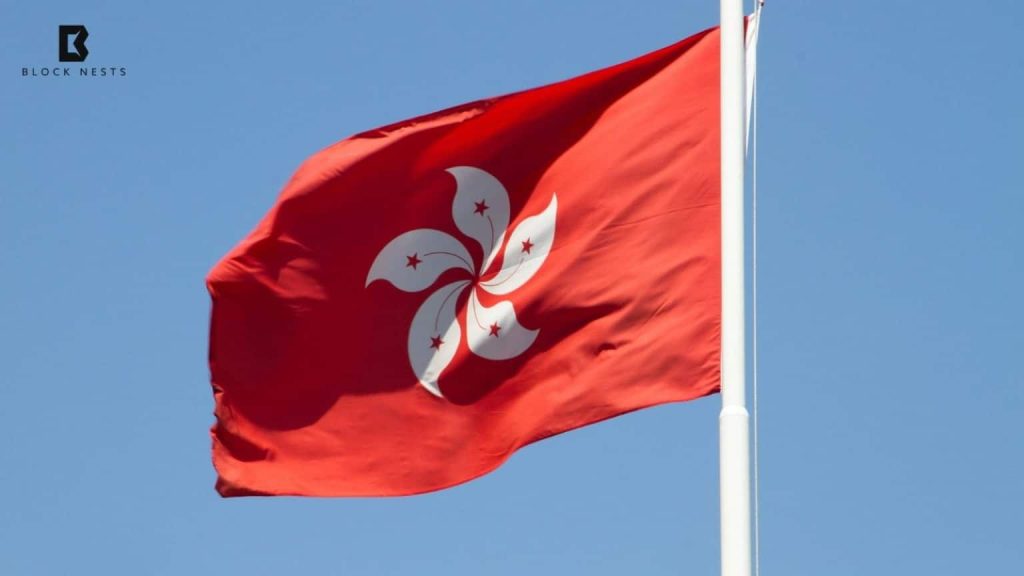
Hong Kong is moving into the tokenization era in its debt market. This is through a digital platform. This platform will support the tokenization of bonds. The system will become operational in the second half of 2026. This represents a step from the pilot phase to a permanent system.
This has been confirmed by the city’s Financial Secretary, Paul Chan, during his speech while presenting the 2026/2027 budget. In his speech, he announced that the Hong Kong Monetary Authority’s CMU OmniClear Holdings will build the system. In addition, he announced that the system will connect to regional tokenization centers.
This system has been in development after several experimental phases. The HKMA has been using its ‘Project Ensemble’ sandbox environment. This has been used to test tokenization systems. In this environment, Franklin Templeton has been issuing tokenized assets.
Currently, the city is moving into the production phase. This is after the regulator fixed issues in the system. The government issued $10 billion in tokenized green bonds in late 2025.
Broader Tokenized Asset Support Beyond Government Debt
This system will not be limited to government debt. It will support the tokenization of institutional-scale real-world assets. This is in comparison to retail platforms. For instance, the Bitpanda retail platform has been offering tokenization in metals and commodities.
Placing the settlement inside the Central Moneymarkets Unit will offer legal certainty. It will also serve as a structure for regulated digital assets. The platform is also likely to facilitate further issuances beyond the $1.28 billion tokenized bond issuance completed last quarter.
Hong Kong will issue its first stablecoin issuer licenses next month, Finance Secretary Paul Chan said today in his 2026–27 budget. 🇭🇰
— Timmy Shen (@timmyhmshen) February 25, 2026
Chan’s budget also confirmed that Hong Kong will introduce a bill this year to license digital asset dealers and custodians.
full story ⏬
The government also intends to continue issuing tokenized bonds. The consistent issuance of tokenized bonds is likely to enhance liquidity. The government also believes consistent issuance will increase the number of institutional participants.
There is also increased demand from institutions for on-chain yields and efficient settlement. Analysts at Standard Chartered have recently noted the significant interest in tokenized US Treasury assets globally. Hong Kong also aims at capturing similar interest in regional Asian debt markets.
Also Read: Circle Posts Strong Q4 with USDC Supply at $75B and Revenue Up 77%
The infrastructure providers also have the potential for significant revenue from settlement layers. Bloomberg Intelligence also noted the potential for increased institutional settlement with the emergence of new infrastructure. The platform is also building on this expectation.
Stablecoin Licensing and Regulatory Framework Take Shape
Chan also noted that fiat-referenced stablecoin licenses will be issued in March. The licenses will focus on issuers with strong asset backing. HKMA Chief Executive Eddie Yue said that the review of licenses is focused on commercial applications. He also noted that only a small number of licenses will be issued.
The interoperability of the platform also faces significant challenges. The different regulatory environments in regional markets also create challenges. The different regulatory environments also create friction across platforms. The absence of consistent regulatory environments also threatens to create silos in the market.
The Hong Kong government is also working on implementing the OECD Crypto-Asset Reporting Framework. The reporting framework will also serve as a structure for tax transparency for institutional users. The regulatory environment is also building further.
The platform can only be successful with cross-border integration. The platform can integrate with mainland China’s settlement infrastructure and Project Guardian in Singapore. The first commercial issuance in late 2026 will also be a success.
Also Read: Crypto.com Secures OCC Conditional Approval to Launch US National Trust Bank
How would you rate your experience?