Skip to content


- China blocks Meta’s $2B Manus deals to prevent the transfer of key AI assets abroad.
- NDRC order halts completed deal as China tightens scrutiny on outbound tech deals.
- Meta continues its AI push internally as China treats AI as a strategic sector asset.
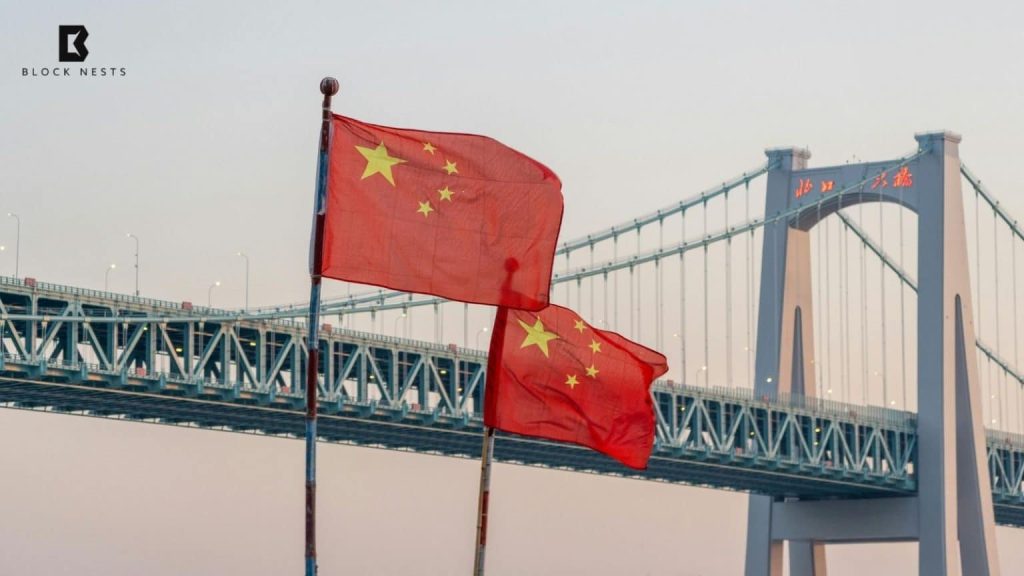
China has blocked Meta’s $2 billion acquisition of AI startup Manus, reversing a deal completed months earlier. The move followed a regulatory order aimed at stopping the transfer of key artificial intelligence assets to a U.S. firm.
The order is issued by China’s National Development and Reform Commission on Monday. Authorities said the decision was taken to prevent the transfer of advanced AI capabilities abroad. Officials have tightened scrutiny of outbound technology deals in recent months.
The acquisition had been finalized in December. Meta acquired Manus for more than $2 billion to expand its work on AI agents. These systems are designed to perform complex digital tasks with limited human input.
China Expands AI Controls as Manus Leaders Face Exit Curbs
Regulatory pressure increased in March during a review of the transaction. Manus CEO Xiao Hong and chief scientist Ji Yichao were reportedly restricted from leaving China. However, the move signaled closer oversight of leadership tied to sensitive technology firms.
China’s action reflects a broader shift in policy. Artificial intelligence is now treated as a strategic sector. Officials are applying controls similar to earlier restrictions seen in semiconductors and advanced computing.
Moreover, Alfredo Montufar-Helu of Ankura China Advisors said China is limiting foreign access to key assets. He noted that authorities are acting on national security concerns. AI is now part of that framework.
Manus had been described by the state media as a possible threat to DeepSeek. While the company has already launched what it termed a general AI agent that could perform a broad array of tasks. This stance heightened its focus on its abilities.
Also Read: Tether Locks Down $344 Million in Massive Blow to Crypto Crime
Manus eventually based its headquarters in Singapore. Nevertheless, it continued to be regulated by the Chinese. Analysts opined that relocation does not eliminate compliance requirements associated with origin and operations.
AI Focus Grows as Meta Builds Automation
However, the ruling can have implications for future diplomatic negotiations. Xi Jinping is scheduled to have a meeting with Donald Trump in mid-May in Beijing. There are issues of technology and trade that are likely to be addressed.
Within Meta, there is ongoing work on AI development. The company is increasing internal systems that are geared toward automation and machine learning. These projects are associated with product and workforce strategy.
Moreover, Chief Technology Officer Andrew Bosworth claimed that internal systems are moving to AI-dominated workflows. He observed that the majority of the operational work will be done by agents. Outputs will be guided and reviewed by employees.
Andy Stone, the spokesperson of the company, stated that model training is supported by data collection. He said that it is not utilized to evaluate the employees. While, the process assists systems to get acquainted with daily computer behaviors.
A further restructuring of engineering teams has taken place at META. New positions are oriented on the construction of autonomous systems. These systems will write and implement the code in the process of continuous AI development.
Also Read: US Clarity Act May Approval Expected, Says Mike Novogratz
How would you rate your experience?