Skip to content


- Mirae Asset explores Korbit takeover as regulated crypto platforms gain
- Licensing strength draws traditional finance toward smaller exchanges despite lower
- Korbit talks highlight regulatory strategy reshaping South Korea crypto dealmaking
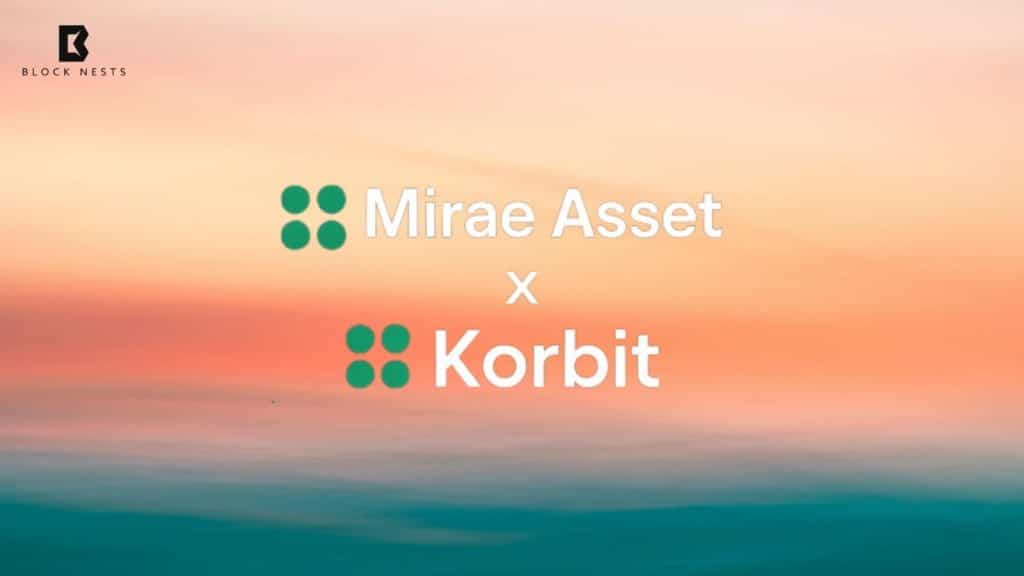
South Korea’s crypto market has returned to focus after takeover talks involving a licensed exchange surfaced. The Chosun Daily reports that Mirae Asset Group is considering a potential acquisition of Korbit, with increased interest in regulated platforms. It is reported to be between $70 million and $100 million, or approximately W100-140 billion. Notably, the negotiations suggest that compliance value is more important than trading volume in strategic decision-making.
The report shows that Mirae Asset Consulting is negotiating on behalf of the group. This unit is not part of the financial subsidiaries of Mirae Asset, which aligns with local regulatory objectives. South Korea does not allow financial companies to operate in the cryptocurrency business. The reported structure is designed to maintain regulatory alignment and expose the markets.
Also Read: Cardano’s Midnight NIGHT Explodes Into Top 100 as Privacy Coins Shock Market
Ownership structure complicates acquisition discussions.
The shareholder makeup of Korbit is decisive in negotiations. NXC controls the the majority of the exchange,, owning approximately 60.5 percent of the shares. NXC owns several other companies that have a considerable stake in Nexon, a gaming company. Moreover, SK Planet has an approximate of 31.5 percent after a W90 billion investment.
Consequently, it would require a consensus among various corporate stakeholders to finalize a deal. This mutual ownership constitution is sure to influence the price negotiation and the time of transactions.
It has a long history of operation, which continues to contribute to its popularity. In 2013, the exchange was established and became the first Bitcoin-to-won exchange in South Korea. Its market position has, however, dwindled over time. According to CoinGecko data, Korbit currently represents a minor part (less than 1%) of local trading.
Licensing strength attracts traditional finance interest.
Korbit has been fully regulated, despite its relatively small volumes. As a result, its compliance position remains appealing to institutional buyers who seek regulated exposure. In contrast, Upbit’s daily trading volume exceeds $716 million. In the meantime, Bithumb documents approximately $298 million.
The activity in the industry suggests a general change in the financial sector of South Korea. As disclosed publicly, Naver Financial signed a stock-swap merger with Dunamu, the owner of Upbit. These changes suggest that traditional finance populations are shifting towards electronic asset infrastructure. Therefore, controlled transactions are becoming a strategic entry point, and not volume-based platforms.
The Korbit talks indicate that regulation, ownership, and institutional strategy are converging. This truth suggests that licensed crypto platforms will continue to play a central role in the developing digital asset system of South Korea.
Also Read: Justin Sun Loses $60M on Trump-Backed Crypto as Blacklist Standoff Drags On
How would you rate your experience?