Skip to content


- Investigators reveal how Iran moved billions using UK crypto platforms
- Blockchain analysts traced IRGC funds dominating volume on UK exchanges
- Report shows crypto becoming a tool in Iran sanctions evasion
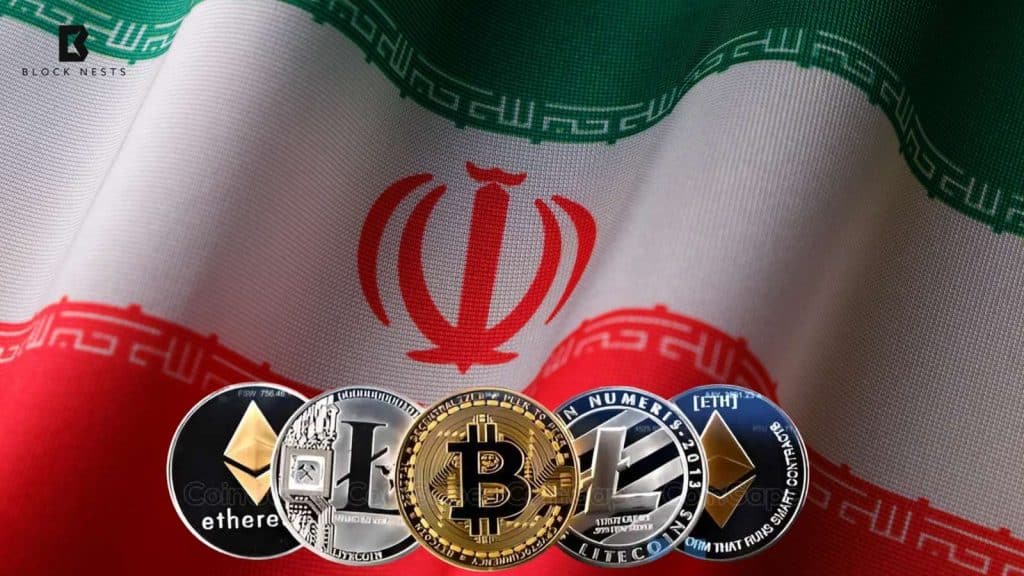
Fresh blockchain intelligence findings have shed light on how Iran expanded its use of digital assets under sanctions pressure. According to The Washington Post, investigators traced large crypto flows tied to sanctioned Iranian entities.
The Washington Post reported that investigators could trace giant crypto flows associated with approved Iranian organizations. The Islamic Revolutionary Guard Corps at the core of the activity is subject to blanket US and western sanctions. TRM Labs reported that the IRGC moved about a billion dollars in crypto exchanges registered in the UK since 2023.
Also Read: Colombia Imposes Mandatory Crypto Reporting for Service Providers
UK-Linked Exchanges at the Core of the Scheme
The flows were not single transactions but had regular patterns of operation. The activity was run under Zedcex and Zedxion, which are a single backend system, according to the analysis. Even though the platforms had different brand identities, investigators discovered common wallet infrastructure.
This resulted in 56% of the total volume of the trading of the exchanges being made up of IRGC-linked transfers between the years 2023 and 2025. The majority of the operations were based on the USDT stablecoins on Tron blockchain. Moreover, analysts found out recurring routing routes that led to the organized management of funds.
The amount of activity scaled fast within a short duration. TRM Labs estimates that in 2023 it increased to $24 million but in 2024, it rose to $619 million and in 2025, it rose to $410 million.
This increase is an indicator of more than opportunistic cryptocurrency usage. Therefore, analysts indicate that Iran is building long-term digital infrastructural developments to circumvent financial sanctions.
One of the former US Treasury sanctions officials, Miad Maleki, chimed in on the findings. Maleki portrays the figure of the $1 billion as demonstrating that crypto is finding a stable medium in the shadow banking system of Iran.
How Investigators Tracked the Crypto Trail
TRM Labs made little test deposits and withdrawals to determine the organization behind the exchanges. These activities enabled analysts to map internal wallets and transactions pathways. Investigators also trailed finances that were associated with 187 wallet addresses already selected by Israeli authorities. In addition, they were found to be under the control of the IRGC.
One of the transactions was a 10 million payment to a Yemeni citizen. The report stated that the US authorities sanctioned that person on the charges of smuggling Iranian fuel to assist the Houthis. The exchanges were also linked to Babak Zanjani, who was a powerful Iranian businessman as part of the investigation. As TRM Labs state, Zanjani has been previously helping Iran to circumvent sanctions on oil, both under Mahmoud Ahmadinejad.
The alleged connections of Zanjani caused more compliance issues even after he was convicted and sentenced to jail. Meanwhile, neither of the exchanges still purports to comply with anti-money-laundering principles. Zedcex identifies Iran as a jurisdiction that has been listed as prohibited whereas Zedxion has not given such disclosure. The Washington Post reported that neither of the platforms replied to media questions.
The sanctions authority of the UK and the Iranian UN mission also refused to comment. With increasing scrutiny, the pressure on regulators to tighten the regulation over UK-linked crypto platforms is increasing.
Also Read: GTreasury Shakes Finance Tech With Solvexia Acquisition to End Manual Reporting
How would you rate your experience?