Skip to content

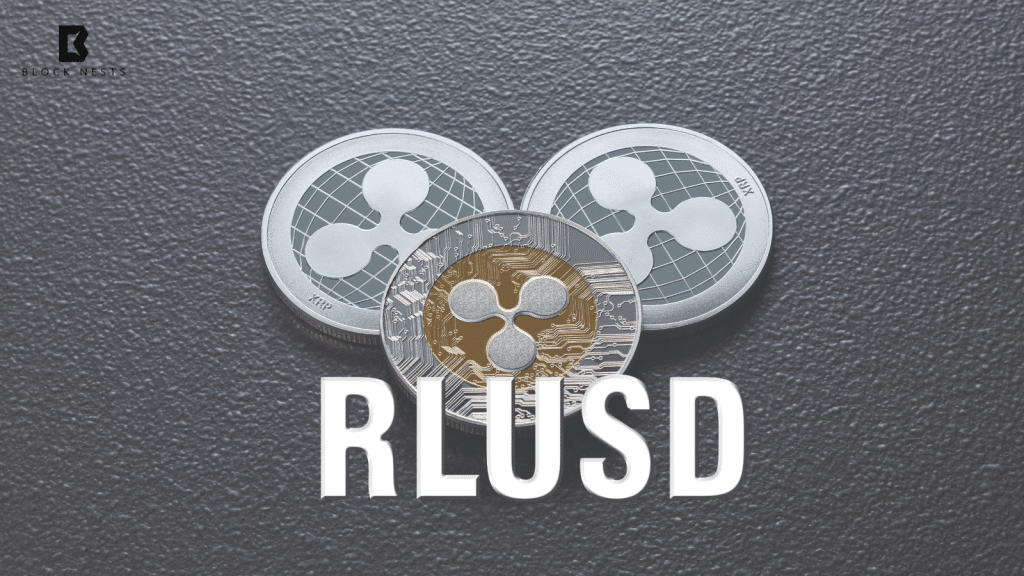

- DBS, Franklin Templeton, and Ripple are joining forces to build tokenized trading and lending markets.
- Investors can trade Ripple’s RLUSD stablecoin for Franklin Templeton’s sgBENJI token on DBS Digital Exchange.
- The deal opens pathways for collateralized lending and strengthens blockchain use in institutional finance.
A major collaboration between DBS, Franklin Templeton, and Ripple is pushing onchain finance into a new phase. The three institutions signed a memorandum of understanding to create repo markets powered by stablecoins and tokenized assets. The move positions Singapore as a hub for blockchain-based financial innovation.
Introducing the next building block of onchain markets – we’re partnering with @DBSbank and @FTI_Global to establish repo markets powered by tokenized collateral and stablecoins: https://t.co/vFTL32XO8C
— Ripple (@Ripple) September 18, 2025
Investors will be able to use $RLUSD to trade for Franklin Templeton’s money…
The plan is based on Ripple’s RLUSD stablecoin and Franklin Templeton’s sgBENJI token. The token is for a money market fund’s units, tokenized on the XRP Ledger. Accredited investors can trade RLUSD for sgBENJI later via the DBS Digital Exchange.
It combines constant value and potential to create returns, making it a universal asset for investors to diversify their portfolios. It highlights how established industry juggernauts are establishing credible exchanges for crypto trading. That also spells increasing hope for tokenization as the solution to efficacy and cross-border market liquidity.
Ripple and DBS Boost Yield with Tokenized Funds
Investors in digital assets typically stand at a fork in the road. They may hold volatile cryptocurrencies or convert into cash, but they don’t generate regular income from either. Tokenized funds such as sgBENJI represent new opportunities. Now investors can receive yield while experiencing liquidity and reduced exposure to spectacular price gyrations in crypto markets.
On DBS Digital Exchange, RLUSD-sgBENJI settlements take minutes, much better than typical money market fund settlements that may take days. That speed offers a valuable competitive advantage in fast-moving markets. The second phase of the agreement could extend the application of these assets.
DBS contemplates the establishment of mechanisms for the utilization of sgBENJI tokens as collateral by its users. That would allow investors access to credit through repo agreements from the bank or from external platforms. Those financing conduits allow for the generation of liquidity while maintaining protection for lenders and borrowers.
Blockchain Adoption Accelerates in Capital Markets
The project also strengthens the broader tokenization ecosystem. Franklin Templeton will list sgBENJI onto the XRP Ledger under its current multi-chain strategy. The ledger was chosen for its competitive fees, exemplary speeds, and scalability, features that are paramount to institutional-grade trading. The collaborative effort unites one of Asia’s largest banks, the world’s largest asset manager, and blockchain’s first mover.
Each brings distinct capabilities: banking trust, investment management, and blockchain infrastructure. Together, they are building an ecosystem whereby tokenized securities move seamlessly from market to market and may be utilized for real-world financial operations.
Institutional adoption of blockchain is picking up steam, and today’s collaboration highlights that point. By linking tokenized funds and stablecoins, DBS, Franklin Templeton, and Ripple are opening the door to the next generation of capital markets.
Related Reading: Metaplanet Expands Into U.S. and Japan as Bitcoin Holdings Hit $2.3 Billion
How would you rate your experience?