Skip to content


- South Korea central bank shifts focus toward CBDC expansion strategy
- New governor signals digital payments reform and stronger settlement systems
- Stablecoin uncertainty persists as lawmakers delay key regulatory framework decisions
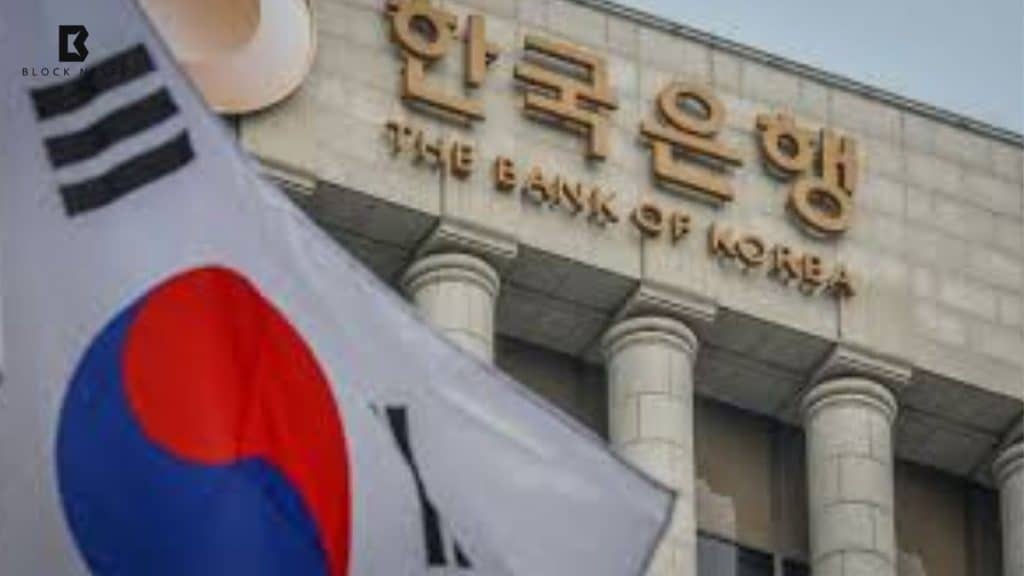
The new leadership at the central bank of South Korea has put the development of digital currency at the top of its policy agenda. This course of action was evident when Governor Shin Hyun-song took his first speech to define what was to be done in the financial system. He associated financial stability with online innovation, establishing a mood that is both cautious and long-term.
Additionally, Shin highlighted that price stabilization is a major role to play in the face of world supply pressures. Nonetheless, he also emphasized that the payment systems should be developed in accordance with the fluctuating financial circumstances. As a result, the Bank of Korea plans to enhance settlement infrastructure and increase digital capabilities throughout the economy.
The governor also emphasized the need to uphold trust in payment networks with the increasing digital transactions. He described that it will have trustworthy systems that will facilitate its use at home and overseas competitiveness. This would also be in line with the strategies to expand the use of the Korean won in digital payment systems around the world.
Also Read: Bitmine Nears 5% Ethereum Supply as Holdings Hit $11.45B Mark
CBDC expansion returns to focus under new leadership
After slowing its pace of central bank digital currency development, the Bank of Korea now seems poised to hasten the program. Shin substantiated that the second stage of Project Hangang will increase the CBDC testing in controlled conditions. Meanwhile, the bank will proceed to develop deposit token programs to supplement payment systems in the future.
Moreover, the central bank will also be involved in international project like Project Agora to enhance efficiency in cross-border payments. Such partnerships may be useful to make Korea financial infrastructure more connected to the wider international systems. Consequently, the bank is one that is establishing itself in an expanding digital monetary innovation ecosystem.
Stablecoin policy remains uncertain amid ongoing legislative delays
Nonetheless, Shin made no direct mention of stablecoins during his speech, although their presence in the domestic market increases. This is in the absence of a legal framework that is being debated by lawmakers under the Digital Asset Basic Act. The bill has stalled in its progress and more debate is likely to happen after the next regional elections.
In the meantime, the largest financial institutions are already beginning the extension of services related to digital assets in the hope of new regulations. These changes suggest that stablecoins will take on a bigger role in the private sector when there is clarity in policies.
Shift in stance suggests room for coexistence
The current strategy can be further explained by the previous opinion of Shin. In his stint at Bank of International Settlement, he stated that stablecoins may disintegrate the financial systems. However, recently, he admitted that local stablecoins can co-exist with CBDCs with appropriate management. With a new governor in office, the Bank of Korea is indicating a definite move towards organized development of digital currencies. Although the policy of stablecoins is not fully developed yet, the expansion of CBDC is the center of its policy.
Also Read: XRP Traders Turn Bearish as 60% Drop Meets Extreme Sentiment Shift
How would you rate your experience?