Skip to content

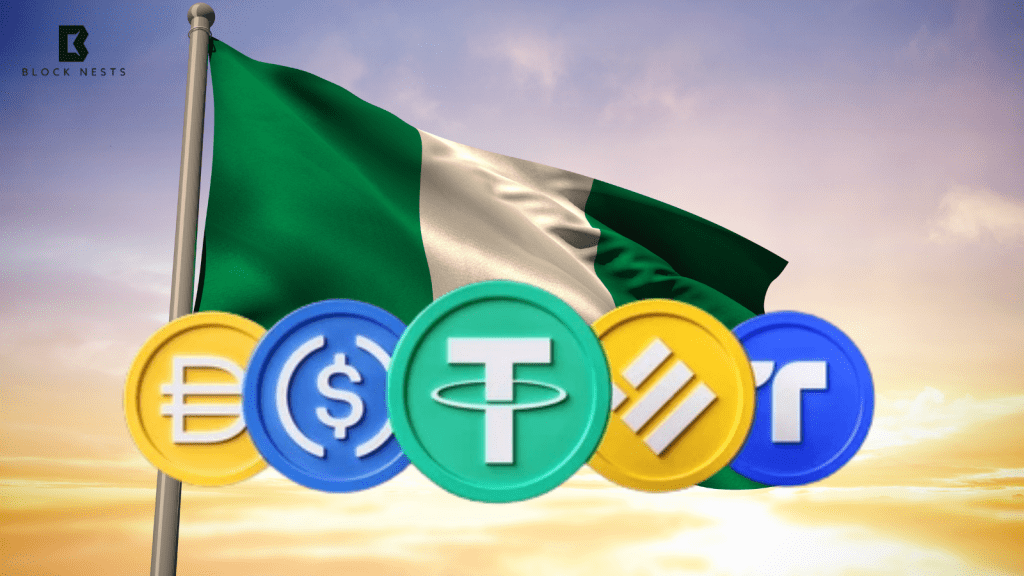

- Stablecoins are increasingly powering informal and formal economic activities in Nigeria.
- One-third of Nigeria’s GDP is reportedly processed using USDT.
- Experts urge African governments to create separate regulatory paths for stablecoins.
Digital dollars are quietly reshaping Nigeria’s economy. A local stablecoin expert supports a claim that about one-third of Nigeria’s GDP now flows through USDT, a U.S. dollar-pegged digital token. This figure, although not official, reflects growing reliance on cryptocurrencies for daily transactions.
5/
— Thomas (Tom) Lee (not drummer) FSInsight.com (@fundstrat) June 28, 2025
US gov't realizes stablecoins = two structural benefits:
first, USD dominance surges in stablecoin/crypto:
– USD = 27% global GDP
– USD = 57% of global central bank reserves
– USD = 88% of liquid financial market
– USD = 100% of stablecoin denomination
The more assets move… pic.twitter.com/rKeSWRgiZA
Nathaniel Luz, head of the Africa Stablecoin Network, believes this trend shows no signs of slowing. In his view, stablecoins are no longer just investment tools. They are a financial lifeline. People use them to pay for imports, transfer funds, and save value. In a country where bank access remains limited for many, digital currencies offer real solutions.
For business owners and workers in informal sectors, the need is practical. Stablecoins process faster than traditional wires. They come with fewer fees and fewer roadblocks. Most importantly, users avoid the heavy inflation and devaluation of local currencies.
Stablecoins Ease Nigeria’s Dollar Crisis
USDT helps those who have a hard time getting dollars. This is outside the bank’s control of the currencies. But it fulfills a stable need. In Nigeria, this requirement is not only for investment. Imported sellers, for example, importers of electrical equipment or food, often face difficulties in obtaining usdt dollars. Banks provide border restrictions on traditional currency. The method of receiving physical currency takes days and can reject attempts.
This will quickly convert us to give you an alternative. Luz emphasizes the significance of access. In Nigeria, either people do not have bank accounts or they have limited banking facilities. But now, simply having a smartphone and internet can allow anyone to receive or send stablecoin. Luz stresses how this inclusion makes a difference in people’s lives.
It is of particular worth to individuals who stand out, receiving a preferred way of living. At the same time, international banks are looking on. Some consider seeing stability as a hazard, whilst others view it as a possibility due to the fact their machine is established on charges. However, these virtual commodities hold developing, particularly in marketplaces like Africa, in which call for speed outstrips regulations.
Regulation Could Unleash Full Potential
Unlike in the US, where regulatory debates delay innovation, several African countries are more open to crypto. Louis emphasizes that Nigeria leads this area. Recent initiatives by government agencies indicate increasing support for digital finance. However, one hindrance remains.
Currently, no clear laws are present that address skateboards directly. Analysts opine that these legal conditions should isolate stablecoin from general crypto regulations. They think this will both shield users and promote stablecoin’s acceptance. The Africa Stablecone Network is committed to advancing this discourse.
It is planning a regional conference in July, which will unite developers, policymakers, and financial leaders. The goal is simple: Get Africa ready for an economy related to Stablecoin. As many people take digital currency, the continent will be on the rotating point. Stablecoins are not just equipment; They are systems for a new financial age.
Related Reading: Bitcoin Bulls Back in Control: Can the $110K Rally Happen Soon?
How would you rate your experience?