Skip to content



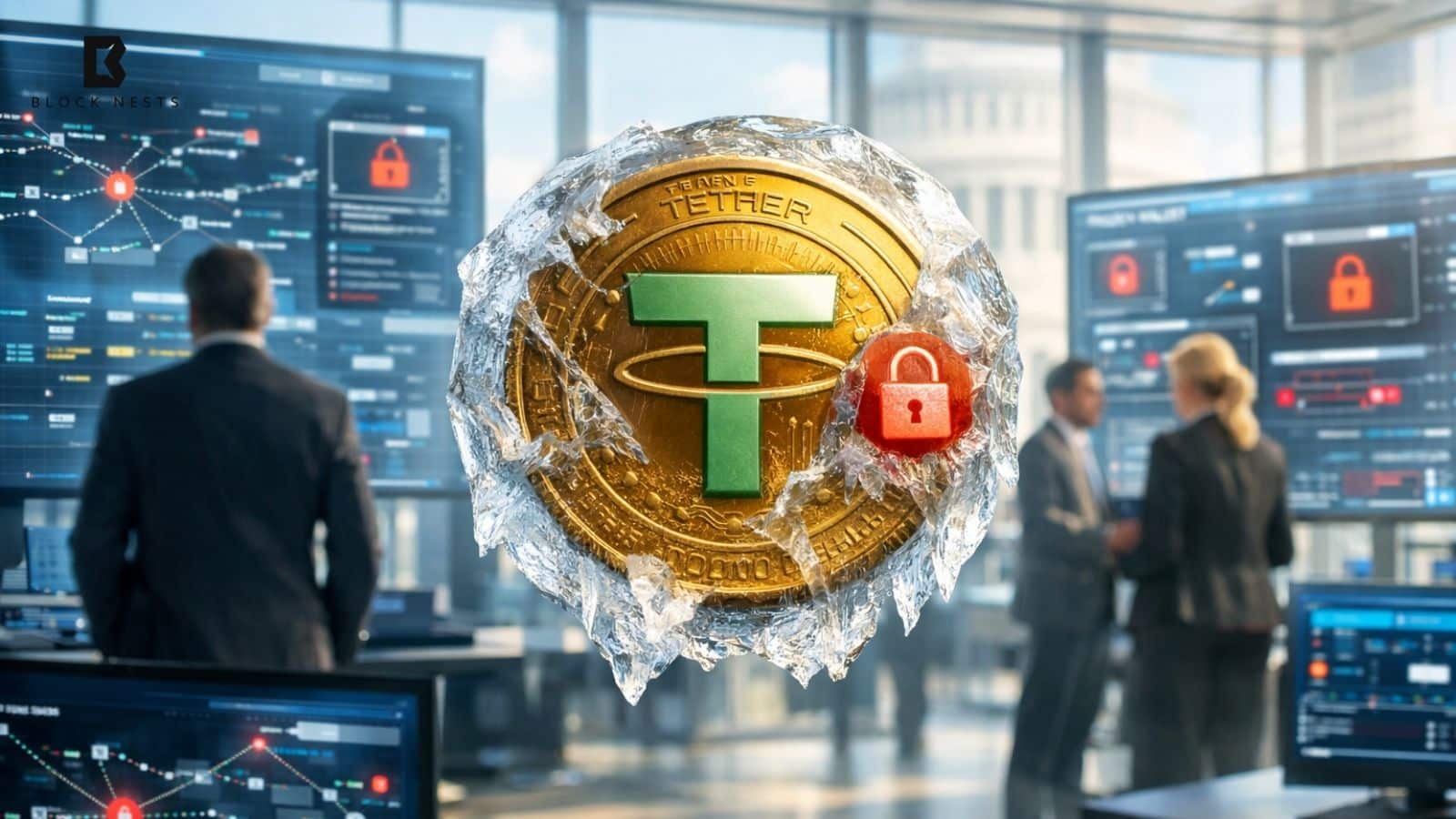
- USDT freezing activity far exceeds USDC in scale and frequency.
- Tether acts proactively, while Circle follows strict legal triggers.
- Enforcement data shows how stablecoins now support global investigations.
According to a new AMLBot analysis, stablecoin freezing activity between 2023 and 2025 highlights a sharp contrast between the two largest issuers, Tether and Circle. The report reviews onchain data from Ethereum and TRON and tracks how USDT and USDC support real enforcement actions.
The numbers reveal not only size differences but also opposing compliance philosophies. The data shows a clear imbalance. Tether 7,268 USDT addresses and froze assets worth $3.29 billion across Ethereum and TRON.
TRON alone accounts for $1.75 billion. Circle, by comparison, has 372 USDC addresses with $109 million frozen. This creates a scale gap of nearly thirty times in both address count and value. USDT activity rises steadily over time. New freezes appear almost daily.
USDC actions occur less often and arrive in batches. This pattern reflects how each issuer responds to risk. USDT targets scams, hacks, and illicit networks as investigations unfold. USDC intervenes only when courts or regulators issue direct orders.
Tether Expands USDT Freezes Through Law Enforcement Ties
Tether works with more than 275 law enforcement agencies across 59 jurisdictions. It often freezes funds before courts finalize proceedings. This approach allows rapid containment of stolen or suspicious assets. During major crackdowns in 2024, monthly USDT freezes crossed $130 million.
A large share linked to organized fraud groups operating in Southeast Asia. A defining feature of USDT enforcement lies in its burn and reissue process. After investigations conclude, Tether can destroy frozen tokens and mint clean replacements for victims.
This mechanism returned millions of dollars and closed many high-profile cases. Onchain data from late 2025 shows large spikes in burned tokens, which confirms active restitution cycles.
This power also raises concerns. Centralized control allows fast action but increases legal and privacy risks. A lawsuit tied to a $44.7 million freeze in 2025 highlights this tension. It shows how aggressive enforcement can trigger disputes over due process.
Circle Takes a Strict Legal Approach to USDC Freezes
Circle follows a narrower route. It freezes USDC only to meet legal or regulatory demands. Each action links to court orders, sanctions, or security incidents. This creates fewer events but larger single freezes. Funds remain locked until authorities approve release.
USDC does not support token reissuance. Frozen balances stay static. This limits operational reach but strengthens predictability and legal clarity. Onchain trends reflect this model. Long periods show no activity, followed by sharp spikes tied to formal rulings.
The AMLBot report concludes that stablecoins now function as compliance tools as well as payment rails. USDT demonstrates how proactive enforcement can disrupt illicit flows at scale. USDC shows how strict legal alignment preserves procedural control. Together, they illustrate how stablecoins adapt to a world where blockchain finance and law enforcement increasingly intersect.
Related Reading: Bitcoin Crashes to $85K as Strategy Buys the Dip With a $980M Crypto Bet
How would you rate your experience?