Skip to content

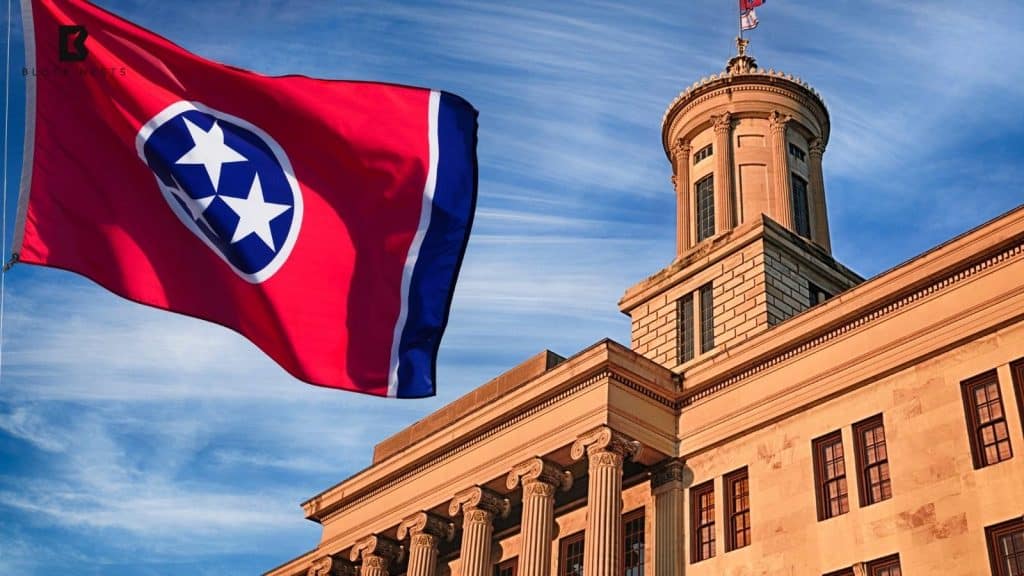

- Tennessee targets prediction markets, ordering Kalshi, Polymarket, Crypto.com to halt
- Regulators say sports event contracts violate state law without licenses
- Cease-and-desist orders demand refunds, warn fines, escalate pressure on platforms
Tennessee regulators have moved to block prediction market platforms from offering sports-related contracts across the state. The enforcement measure is against Kalshi, Polymarket, and Crypto.Com in the regards to the products related to sports results directly.
Sports betting attorney Daniel Wallach reported that the Tennessee Sports Wagering Council sent cease-and-desist letters to the three companies. The letters were circulated on X, details of purported infractions of state gaming law.
According to the officials, the platforms allowed users to bet on the outcome of sporting events. The offering was therefore categorized into sports wagering by the Tennessee statutes by regulators.
Nevertheless, the state law restricts sports betting to licensed sportsbooks under Tennessee Sports Gaming Act. This meant that regulators indicated that the platforms were operating illegally.
Also Read: Ethereum Protocol Truebit Loses $26.6M in Major Hack: TRU Token Crashes 99.9%
Regulators challenge event contract classification
The council also denied the allegations that putting the products as event contracts evades the gambling laws. Regulators made it clear that product functionality defines legality but not branding.
The contracts, the officials say, are traditional wagers even though they are done in the form of derivatives. Therefore, they contended that gambling restrictions by the state still exist.
BREAKING: Tennessee Sports Wagering Council sends cease-and-desist letters to Kalshi (📸), Polymarket and Crypto, demanding that they cease offering sports event contracts to TN customers immediately, void all pending contracts and issue refunds by Jan. 31. Lawsuits are imminent. pic.twitter.com/jDIPIwsrCn
— Daniel Wallach (@WALLACHLEGAL) January 9, 2026
In addition to their classification problems, regulators questioned the issue of consumer protection. They referenced the lack of age restriction, responsible gaming devices, and anti-money laundering.
Tennessee law contains these protections that have to be followed by licensed sportsbooks. The regulators indicated that unlicensed platforms circumvent these requirements.
Refund orders and penalties outlined
In addition, the council directed the firms to immediately suspend sports related services to Tennessee citizens. The order also demands the cancellation of all the contracts that affected users within the state.
As per the letters, the platforms should reimburse all deposited money by Jan. 31, 2026. Regulators indicated that the refunds are to defend the aggrieved consumers.
Loss may lead to fines up to $25,000 each time. Also, further breaches can result in law enforcement referrals or court injunctions.
Although Kalshi and Polymarket are under the federal commodities law, Tennessee challenged federal preemption claims. The regulators mentioned that federal control is not overriding state control of sports betting.
Broader legal pressure on prediction markets
The action taken on enforcement is similar to other states that have also been facing difficulties in attacking sports-linked prediction markets. Rules controlling the whole country suggest that these products raise the boundary between gambling and finance.
In the recent past, a federal judge prevented Connecticut regulators to enforce a similar order to block Kalshi. In spite of that decision, Tennessee authorities claimed that the state law is still valid.
The relocation underscores the growing tension between the state regulators and the new betting platforms. The case law can influence the functioning of sport-related contracts in the nation.
Also Read: Colombia Imposes Mandatory Crypto Reporting for Service Providers
How would you rate your experience?