Skip to content


- Tether partners with Zanzibar to boost digital asset literacy and financial inclusion.
- The initiative may integrate stablecoins into Zanzibar’s payment system.
- Tether continues its global push for compliance and crime prevention in digital finance.
Tether has taken another bold step by signing a Memorandum of Understanding with the Zanzibar eGovernment Authority. This move signals a strong commitment to digital asset education, financial inclusion, and local innovation. It also aims to introduce real-world uses for digital currencies in the region.
Tether empowering Zanzibar with digital asset education? This isn't just news; it's the blueprint for true financial independence. Empowering communities with knowledge is the real decentralized revolution. Watch this space. #CryptoEducation #Zanzibar #Decentralization pic.twitter.com/6MYs6DsCjI
— Emre Yalman (@yalmancrypto) July 2, 2025
Zanzibar, in Tanzania, is embracing a future shaped by digital instruments and blockchain networks as well. This agreement is set to enhance the region’s financial architecture, providing access to prudent financial instruments. These instruments could offer alternatives to those who are marginalized by mainstream banking.
By understanding how local gateway-backed stablecoins like USD₮ and XAU₮ coexist, Tether hopes to show that digital currency is feasible in everyday life. The emphasis isn’t so much churning out new tech but on improving lives, incentivizing savings, and increasing the use of digital payments.
Education and Innovation Take Center Stage
The project is significantly reliant on learning. Tether and eGAZ may hold training seminars that will educate others on blockchain, stablecoins, and digital wallets. These seminars will be made available to everyone, like government officials and learners, as well as private citizens and smaller firms.
The MoU further outlines a mutual intent to cooperate with schools and academic institutions. The two entities aspire to integrate blockchain learning via joint programs. These steps could help future businesspeople and leaders create a new-era digital economy with world-class standards.
In addition to workshops, the duo could organize events that allow for discussion, knowledge exchange, and interfaces between private and public sectors. This engagement might result in more projects, start-ups, and local blockchain uses.
Tether’s Broader Role in Global Compliance
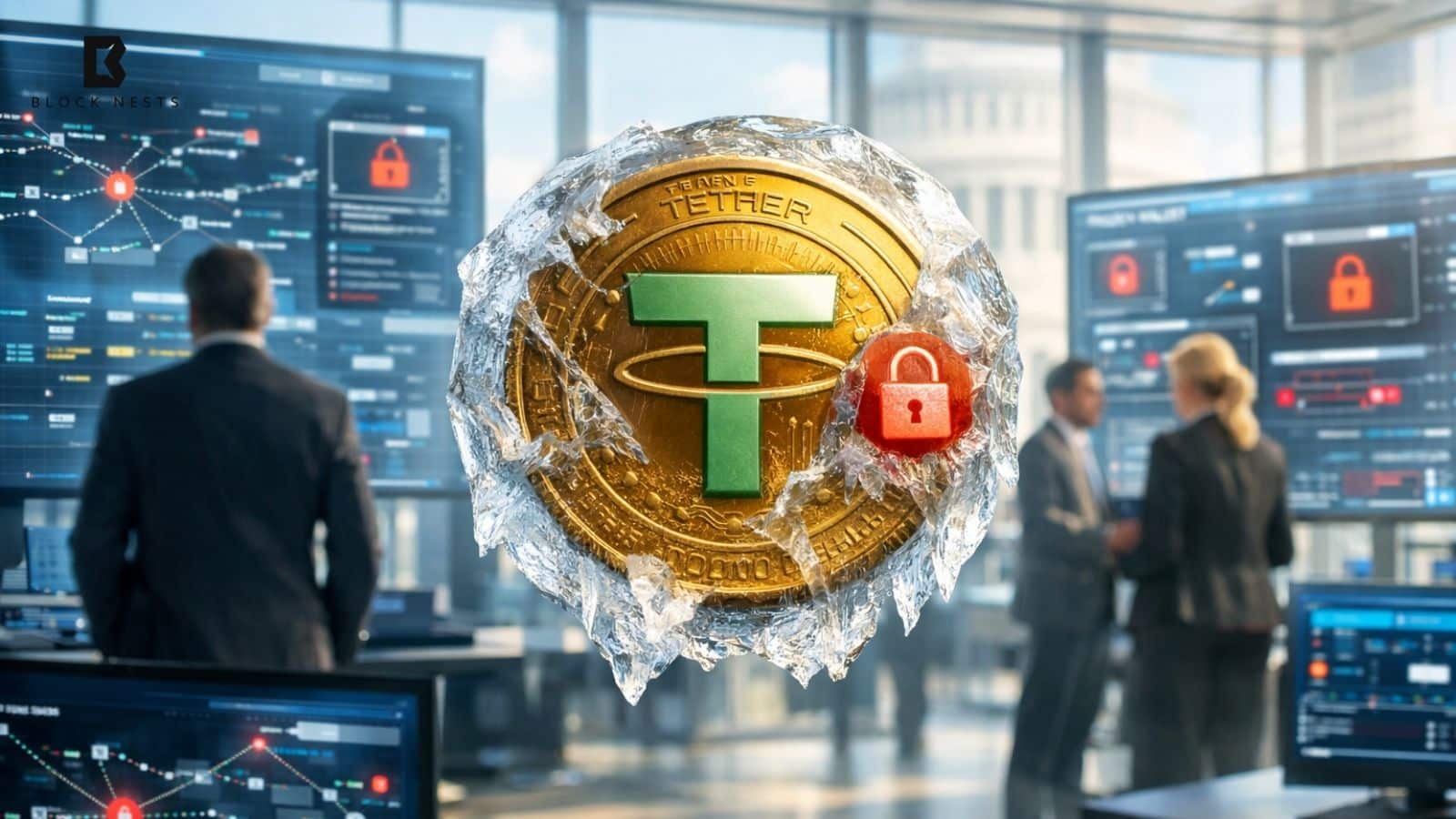
In past few days, This move by Tether in Zanzibar comes days after it won praise from the U.S. Department of Justice. The company helped in recovering digital currency worth $225 million in a global fraud scheme. The action came following over $2.7 billion in frozen or seized funds by Tether as it fights fraud.
JUST IN:
— SMQKE (@SMQKEDQG) June 16, 2025
June 2025 J.P Morgan report confirms: “Government officials identified Tether's USDT as the stablecoin of choice for individuals and organizations engaged in money laundering, financing of terrorist groups, ransomware, cyberfraud, trafficking of drugs-sex-weapons,… pic.twitter.com/p6skcAYzat
This document chronicles Tether’s increasing involvement in setting new safety measures in online finance. With repeated partnerships in more than 55 countries, the company now engages in both setting future systems and securing them.
The recent MoU with Zanzibar is part of a rising trend. The governments worldwide are now looking at the stablecoin firms not only as sources of tech solutions but also as sources of leadership in building resilient, equitable, and inclusive financial ecosystems.
For the future, This partnership could bring Zanzibar’s digital revolution. More people will become familiar with blockchain, schools could integrate it in the curriculum, and new startups could be established. As time goes by, it could build a fair and new monetary system for all.
Related Reading: Bitcoin at $106,463: Will the Downward Momentum Continue or Rebound?
How would you rate your experience?