Skip to content

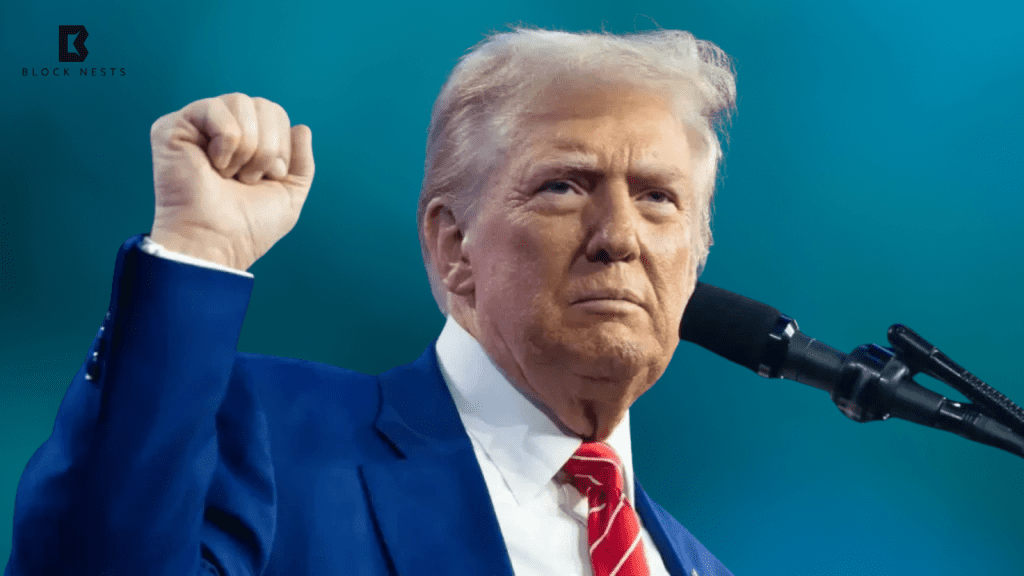

With the help of this law, stablecoins may generally be embraced to make payments on a daily basis and send money across borders. To survive under the new reality of the GENIUS Act, some crypto businesses are interested in becoming licensed as banks to enjoy the protection of a banking license.
Obtaining a banking license would enable these companies to produce more stablecoins. With more direct supervision and under the current rules of finance. Law adherents consider that it may narrow the divide between virtual currencies and conventional finance in the U.S.
Concerns Raised Over Regulatory Gaps
Although the law has been passed, some critics say that it has several loopholes. It can open it up to the risks of regulatory and security issues. There is the fear among analysts that the use of stablecoins by bad actors to use them in some criminal or illicit ways can be possible, since it can be weakly enforced.
It is also controversial that the U.S. can become a nest of crypto companies without a good compliance infrastructure. Some politicians are demanding more monitoring and international coordination to discourage regulatory arbitrage by international operators.
There is a strong argument whether to be regulated or not. There are disputes over whether it is necessary to introduce some regulations in order not to kill innovation and prevent unrestricted market manipulation.
The GENIUS Act was a major change in crypto policy in the US. It will require stablecoins to be supported with real and liquid reserves. This law is expected to reshape the digital dollar landscape and increase public trust in regulated cryptocurrency systems.
Also Read: Trump Jr.-Backed Thumzup Puts $250M Into Bitcoin, XRP, and Dogecoin
How would you rate your experience?