Skip to content



- Vitalik warns Ethereum builders as centralization risks undermine world computer
- Ethereum upgrades boost scalability as Buterin urges focus on decentralization
- Developers face pressure to balance usability independence and long resilience
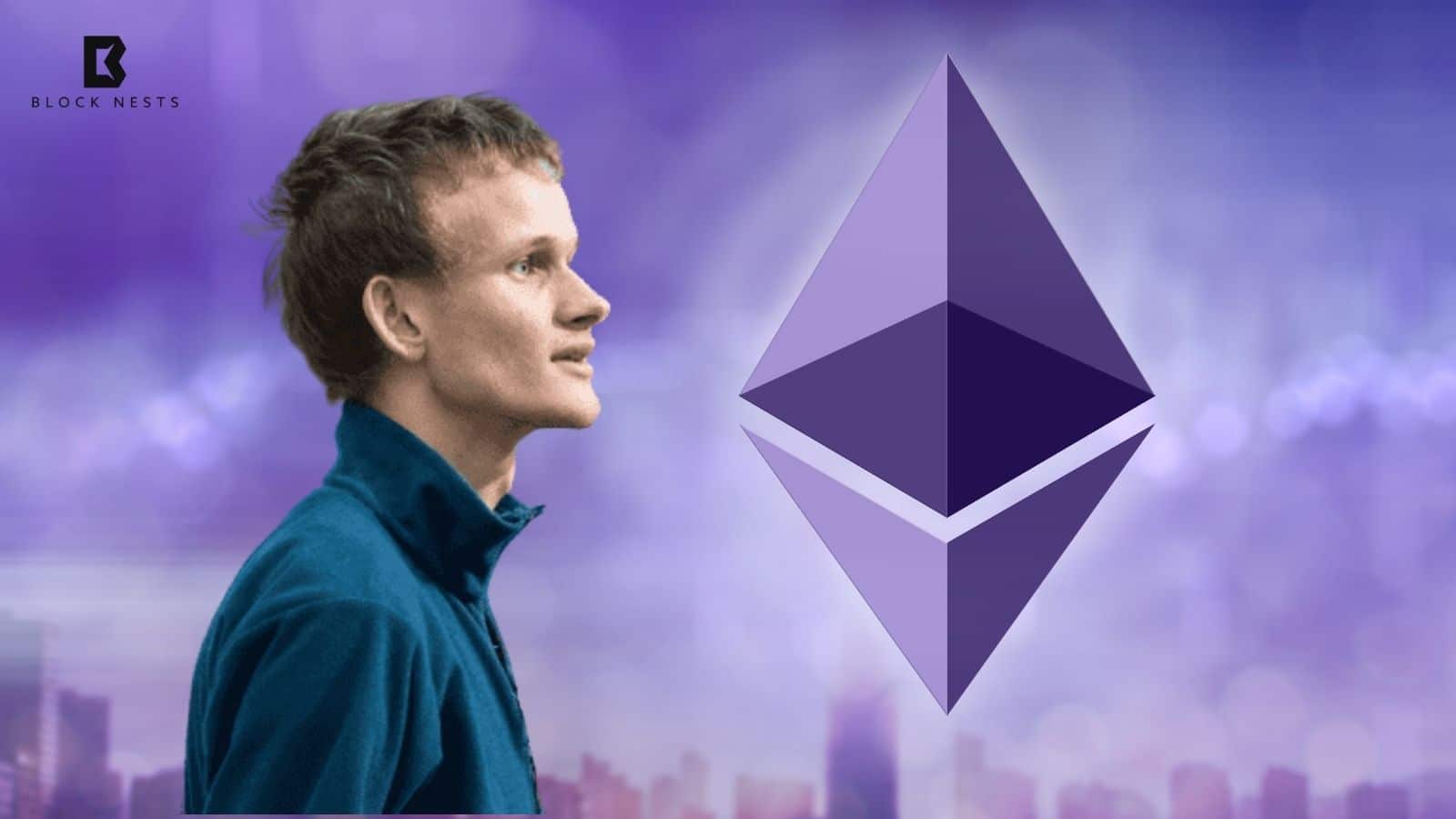
Ethereum’s original mission returned to the spotlight after remarks from co-founder Vitalik Buterin, who cautioned builders about creeping centralization. In the New Year message posted on X, Ethereum risks losing its purpose if decentralization is put in the background.
Buterin put Ethereum in a position to create a free and open internet. He says that numerous digital experiences are now based on subscriptions, which centralized organizations strongly dominate.
He observed that the shift restricts user freedom and concentrates power. Ethereum-based applications must reclaim user ownership and control. Buterin believed that the decentralized applications need to be censorship-free, fraud-free, and should not be under the care of a third party.
He emphasized that the application must proceed despite the original developers bailing out on the project. It is commonly known as the walkaway test, and this principle defines meaningful decentralization. When there is failure in systems after the developers have left, the process of devolution is not complete.
Also Read: Cicely LaMothe, Deputy Director of the SEC’s Division of Corporation Finance, Retires
Dependency risks challenge Ethereum’s long-term vision
Another caution that Butterin gave is that it should not count on external infrastructure. To him, applications are not supposed to crash because of hosting suspensions, political pressures, or corporate bankruptcy.
He described that reliance on centralized services compromised resilience. Applications should extend beyond external influences to be believable as decentralized systems.
Welcome to 2026! Milady is back.
— vitalik.eth (@VitalikButerin) January 1, 2026
Ethereum did a lot in 2025: gas limits increased, blob count increased, node software quality improved, zkEVMs blasted through their performance milestones, and with zkEVMs and PeerDAS ethereum made its largest step toward being a fundamentally…
Additionally, he emphasized that decentralization should be accompanied by usability. Buterin states that applications that are not easily adoptable by the users will not scale. He further expanded usability to wallets, nodes, and developer tools. The required decentralization standards are the same in both the blockchain and application layers.
Network upgrades reinforce urgency behind the warning
In the meantime, the development of Ethereum in 2025 heightened the topicality of Buterin’s message. Two key upgrades addressed the issues of scalability, efficiency, and infrastructure enhancement.
The Pectra upgrade increased the throughput of blobs and also introduced account abstraction. As a result, there was an increase in wallet usability and a rise in validator staking limits.
In the second part of the year, the Fusaka upgrade was activated to enable PeerDAS to enhance data availability and sampling. This enabled more blobs to be added without additional use of network nodes.
Additionally, there were more gas limits and an improvement in zkEVM performance, along with a decrease in transaction costs. These modifications were in favour of the rollup-focused roadmap of Ethereum.
Even after these developments, Ether’s market performance remained low. The asset is trading at $ 3,008, which indicates reserved investor confidence.
Developer focus may define Ethereum’s future.
Buterin says that the mission of Ethereum cannot be secured solely through technological improvements. The developers ultimately determine whether decentralization is present or not.
He encouraged constructors not to focus on the transient tendencies and fads. Instead, he stimulated long-term activity for long-term and self-sustaining uses.
On his part, the Ethereum world requires discipline in computer vision. Decentralization and usability need to be developed simultaneously to have confidence. He was warning of a larger fact. The future of Ethereum is determined by the reactions of the builders to the pressure of centralization today.
Also Read: Lighter Introduces LIT Token Amid Strong Growth and Expansion Plans
How would you rate your experience?