Skip to content


- Grayscale files for a high-risk Avalanche staking ETF with limited regulatory protections.
- The fund offers staking exposure but locks assets and adds operational risks.
- Introductory zero fee shifts to 0.35 percent after early conditions.
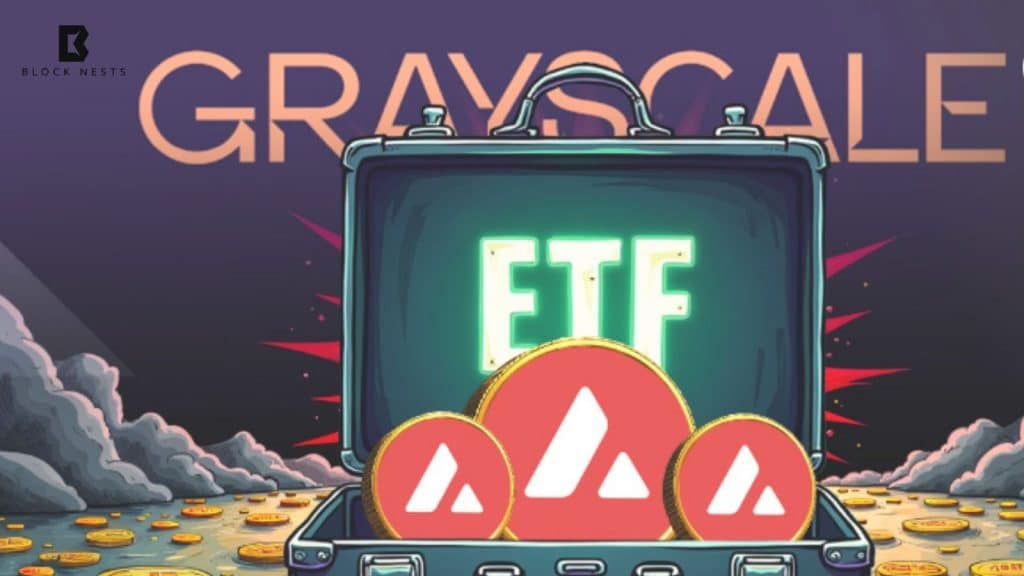
Grayscale has submitted a filing for a new exchange traded product named Grayscale Avalanche Staking ETF, or GAVA. The fund aims to provide exposure to Avalanche through a structured approach that includes staking.
Grayscale Avalanche Staking ETF ("GAVA or the "Fund"), an exchange traded product, is not registered under the Investment Company Act of 1940 ("40 Act") and therefore is not subject to the same regulations and protections as 40 Act registered ETFs and mutual funds. Investing…
— Grayscale (@Grayscale) April 15, 2026
This filing indicates that the product is not registered under the Investment Company Act of 1940. This categorization excludes the asset from a number of safeguards associated with the regular ETFs and mutual funds.
The Grayscale Investments Sponsors, LLC is the sponsor of this investment product, whereas Foreside Fund Services provides the marketing services.The ETF is regulated by the Securities Act of 1933. It is not subject to the stringent regulations associated with the registered investment company. This makes the investment risky for investors.
Grayscale Offers Indirect Exposure Through the Fund
Indirect participation is done via the fund. The document further emphasizes that no assurance will be made regarding the existence of a secondary trading market. The low liquidity may influence the value of the token and the ease of buying and selling. The fund intends to stake the AVAX tokens and earn rewards.
Avalanche uses proof of stake consensus, which relies on validators to maintain the blockchain network. GAVA will engage in this practice. For staking, there will be the need for the locking of the AVAX for a certain duration. During this period, the fund will not be able to trade the tokens.
This constraint affects liquidity and creates rigidness for the fund. In addition, price volatility could arise when the tokens are locked, thus causing missed opportunities for selling. Other potential risks include security, where hacking might pose problems, disruption of services due to network down-time, smart contract vulnerability.
Staking Risks and Asset Loss Concerns
Failure by the validator or custodian can lead to partial or total loss of assets. Gains earned from staking remain in the fund. They will not go directly to investors. This creates dependency on management and operational processes of the fund.
The fund will operate with an expense ratio of zero percent for the first three months but will only apply to one billion dollars of assets. Thereafter, the expense ratio will increase to 0.35 percent. Extra costs such as trading fees may also be incurred.
GAVA employs a non-diversified investment strategy. It targets a particular crypto-asset. This creates risk exposure as price movements will be dependent on the value of AVAX. The fund relies on third-party entities in carrying out its duties.
Any difficulties in replacement and disruption might pose a threat to asset protection and portfolio returns. The document indicates that the calculation of net asset value is not based on the Generally Accepted Accounting Principles, creating variations in figures.
Also Read: Bhutan Quietly Moves Millions in Bitcoin as Holdings Drop Over 70%
How would you rate your experience?